Maintenance & Inspection
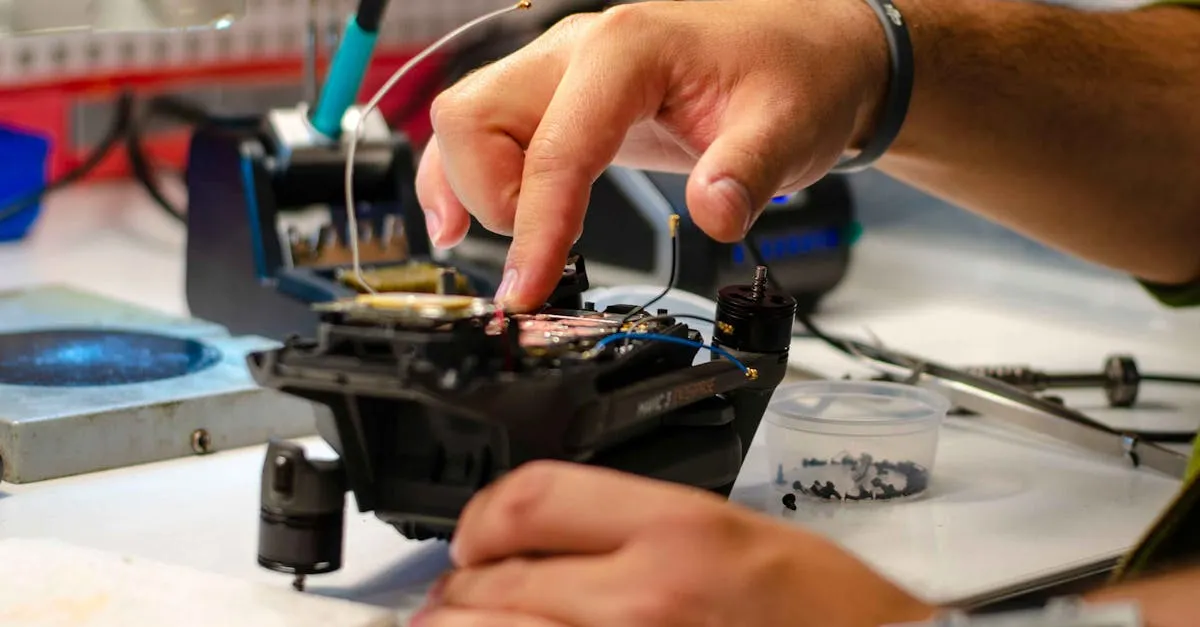
Condition for Safe Operation: The Actual Rules
Two sections do the work. §107.15: “No person may operate a civil small unmanned aircraft system unless it is in a condition for safe operation. Prior to each flight, the remote pilot in command must check the small unmanned aircraft system to determine whether it is in a condition for safe operation” — and flight must stop when the PIC “knows or has reason to know” the system is no longer airworthy. §107.49(c) adds preflight verification that the control links work. That’s the whole maintenance regulation for ordinary Part 107 aircraft: no A&P certificates, no required inspections beyond the PIC’s own check.
In practice the PIC’s duty runs through:
- Preflight inspection: visual and functional check before every flight
- Following manufacturer guidance: the manual defines what “condition” means for this aircraft
- Not flying if something is wrong — and landing when it develops (§107.15(b))
Who May Maintain? (V.F.K5)
For ordinary Part 107 aircraft: anyone competent — there is no certification requirement. The accountability lives with the remote PIC, who must be satisfied the work was done correctly before signing off the next flight with a preflight check.
Category 4 aircraft are the exception (§107.140(c)): the owner (or contracted operator) must ensure that whoever performs maintenance, preventive maintenance, alterations, or inspections —
- Uses the methods in the manufacturer’s maintenance manual or Instructions for Continued Airworthiness (or other methods acceptable to the Administrator)
- Has the knowledge, skill, and equipment to do the work
- Uses parts of such quality that the aircraft is left at least equal to its original or properly altered condition
That’s a real maintenance program with a paper trail — one of the prices of overflight privileges under an airworthiness certificate.
Preflight Inspection Checklist
Follow your manufacturer’s recommendations. At minimum:
Physical Inspection
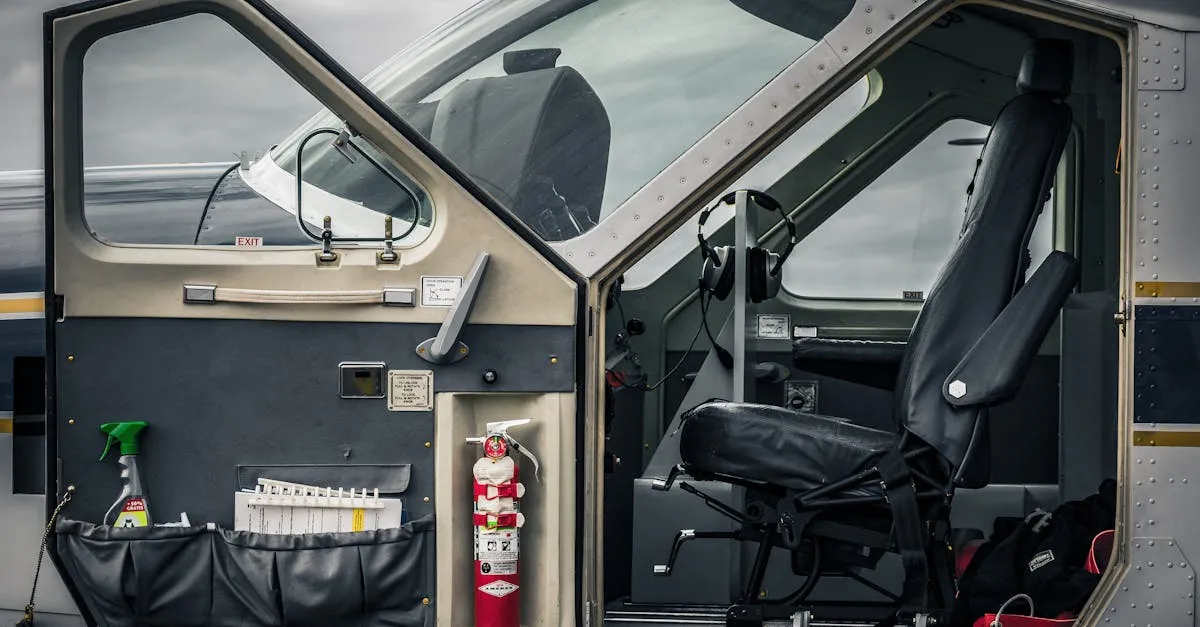
- Airframe: no cracks, loose screws, damaged components
- Propellers: no chips, cracks, or bends; securely attached
- Motors: spin freely, no grinding or unusual resistance
- Camera/gimbal: moves freely, secure attachment
- Landing gear: intact and secure
- Antenna(s): secure, not damaged
Systems Check
- Battery: fully charged, no swelling or damage
- Battery contacts: clean, no corrosion
- Controller: charged, paired with drone
- GPS lock: adequate satellites acquired
- Compass: calibrated (if prompted by the system)
- Firmware: current version installed
- Remote ID: broadcasting properly
Environmental Check
- Weather within limits
- Airspace authorization obtained
- Takeoff/landing area clear and safe
- No people in the immediate area
Battery Care and Maintenance
Lithium batteries are the most maintenance-intensive component:
Storage
- Ideal charge for storage: 40-60% (not fully charged or fully depleted)
- Temperature: Cool, dry place (avoid extreme heat)
- Long-term storage: Discharge to roughly 50% every 3 months
Signs of Battery Degradation
- Swelling/puffing: stop using immediately
- Reduced flight time: battery losing capacity
- Difficulty charging: cells may be damaged
- Physical damage: dents, punctures, bent terminals
A swollen battery is a fire risk. Dispose of it properly at a battery recycling center. Do not continue to use it.
Firmware and Software Updates
Manufacturers release firmware updates that:
- Fix bugs and safety issues
- Update geofencing databases
- Improve flight characteristics
- Comply with new regulations (like Remote ID)
Update firmware before important jobs, but test the update on a non-critical flight first. Occasionally firmware updates introduce new issues.
Battery Cycle Life
Lithium packs age on two clocks: cycles and calendar. Expect the manufacturer’s cycle-life figure (commonly a few hundred full cycles before capacity drops meaningfully) to shrink with heat, deep discharges, and storage at full charge — the reason the storage rules below exist. Track per-battery cycle counts in your log; retire on the manual’s number or at visible swelling/degradation, whichever arrives first. A battery that “still works” at 70% capacity fails your §107.15 check the day the wind picks up.
A Working Maintenance Cadence
Between “before every flight” and “when it breaks” sits the schedule that actually keeps aircraft alive. Adapt to your manual, but the skeleton:
Every flight: the §107.15 check — airframe, props, motors, battery, links, RID.
Every 10 flights or weekly (whichever first):
- Deep-clean props and inspect under bright light for hairline cracks near the hub — the failure point a glance misses
- Check motor bearings: spin each prop by hand and listen; rock the shaft gently for play
- Inspect battery contacts and connector pins for heat discoloration
- Verify gimbal calibration and compass health on the ground
Every 50 flights or monthly:
- Full airframe fastener torque check (vibration loosens screws on a schedule)
- Battery internal-resistance/cell-health readout per pack; retire the outliers
- Firmware and geofencing database current — after testing updates on a non-critical flight
- Control-station battery health; cable strain reliefs; antenna condition
Seasonally / post-incident:
- Replace props on schedule rather than on failure (many operators swap at visible wear or a set flight count, whichever first)
- Full function test after any hard landing, water exposure, or firmware change — in an open area, at low altitude, over nothing
- Storage-charge all batteries for any pause longer than a couple of weeks
One maintenance-law note specific to the modern fleet: you may not disable Remote ID to “fix” an aircraft. §89.110 requires the RID equipment functional and not disabled — a maintenance workaround that silences the broadcast makes every subsequent flight illegal regardless of how well the aircraft flies.
Recordkeeping
Part 107 doesn’t mandate specific maintenance records, but good practice includes:
- Flight log: date, duration, location, any issues
- Battery log: charge cycles, performance over time
- Maintenance log: repairs, replacements, firmware updates
- Incident reports: any abnormal events during flight
The PIC must ensure the drone is in condition for safe operation. The FAA doesn’t specify HOW you verify this, only that you DO verify it before every flight.
Quick Check
Q: Who is responsible for ensuring the drone is safe to fly? A: The Remote PIC, before every flight.
Q: What should you do if a battery shows signs of swelling? A: Stop using it immediately and dispose of it properly at a battery recycling center.
Q: Does Part 107 require formal maintenance records? A: No specific format is required for ordinary aircraft — but keeping them is best practice, and Category 4 operations carry real maintenance-documentation duties (§107.140(c)).
Q: Who may perform maintenance on a Part 107 drone? A: Anyone competent — no certification required; the remote PIC verifies the result. Category 4 aircraft additionally require manufacturer-methods work by knowledgeable, equipped persons.
What’s Next?
All knowledge areas covered. Let’s wrap up with study strategies and a practice exam review.
This free course covers the essential knowledge, but if you want video walkthroughs, practice exams, and instructor support, Pilot Institute’s Part 107 course is the most comprehensive option available.