Human Factors & Physiology
Why Physiology Matters for Drone Pilots
You’re not flying at 30,000 feet, but your body still affects your performance. The FAA tests physiology because a compromised pilot makes bad decisions.
Hypoxia
Hypoxia means insufficient oxygen reaching the brain. While unlikely for drone pilots at ground level, the FAA tests it — with numbers attached:
- Symptoms: euphoria (the dangerous one — it feels fine), impaired judgment, tunnel vision, dizziness, blue fingertips
- Altitude markers: night vision measurably degrades starting around 5,000 ft MSL; cognition and coordination suffer with altitude from the 10,000–12,500 ft range upward — which is where the manned world’s supplemental-oxygen rules begin (14 CFR §91.211). They’re the reference points for what thin air does to a brain
- Onset: gradual at moderate altitudes (the treachery), rapid at high altitudes
- Treatment: descend, use supplemental oxygen — for a remote pilot at a mountain launch site, that means relocating the control station downhill
You’re not at risk of hypoxia operating at ground level. But if you’re conducting mountain operations at high elevation (8,000+ ft MSL), mild effects are possible, especially with exertion.
Hyperventilation
Hyperventilation means breathing too rapidly and expelling too much CO2:
- Symptoms: Lightheadedness, tingling in fingers and toes, muscle spasms, feeling of suffocation
- Causes: Stress, anxiety, fear, high altitude
- Treatment: Breathe slowly, breathe into a paper bag, or talk aloud (which forces a normal breathing rhythm)
Hyperventilation can happen to drone pilots, especially new pilots who are nervous during their first commercial jobs.
Dehydration
One of the most common and overlooked risks:
- Causes: Hot weather, long operations, not drinking enough water
- Symptoms: Headache, fatigue, dizziness, poor concentration, irritability
- Impact: Impaired judgment, slower reaction time, increased risk of bad decisions
On hot days at outdoor shoots, bring water. Dehydration creeps up on you and directly impairs your ability to make safe decisions.
Spatial Disorientation
The inner ear can be fooled by:
- Smooth, gradual turns: you may not sense you’re turning
- Leaning illusions: after a bank, you may feel straight and level when you’re still banked
- “The leans”: a false sense of bank angle
For drone pilots, spatial disorientation is less of a concern since you’re on the ground. But the FAA tests the concept, so understand it for manned aircraft scenarios.
Vision
Key Vision Concepts
- Central vision: sharp detail, used for reading instruments and seeing the drone
- Peripheral vision: detects motion, used for scanning for other aircraft
- Empty field myopia: when looking at a blank sky, your eyes focus at 3-5 feet instead of infinity
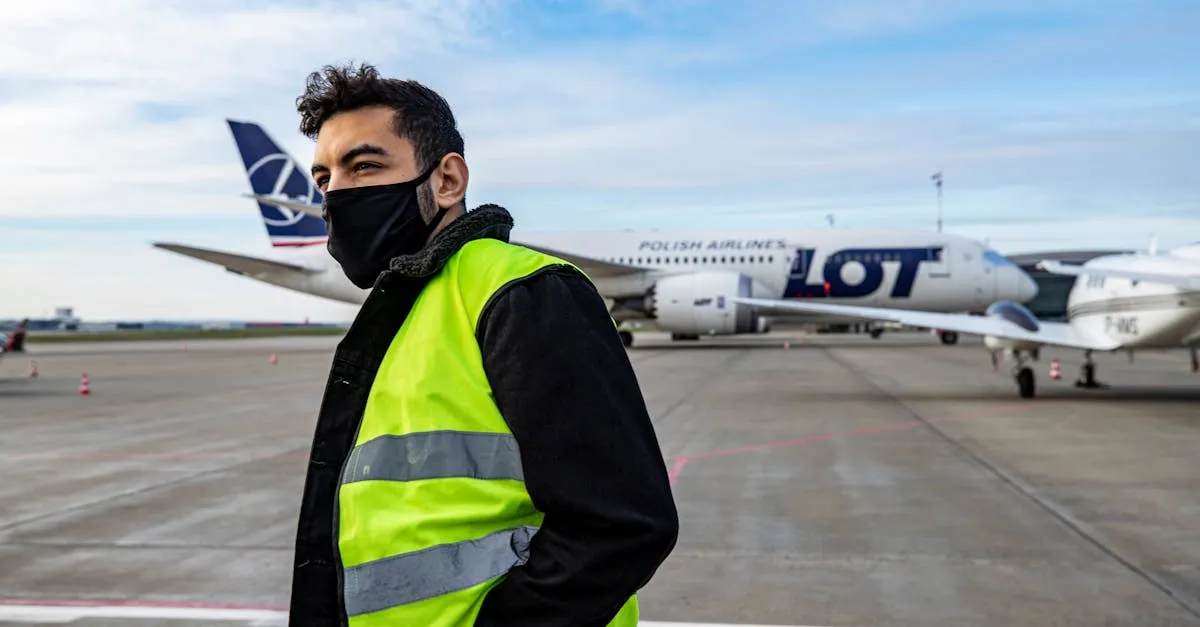
Scanning Technique
Use a systematic scanning pattern to maintain visual contact with your drone:
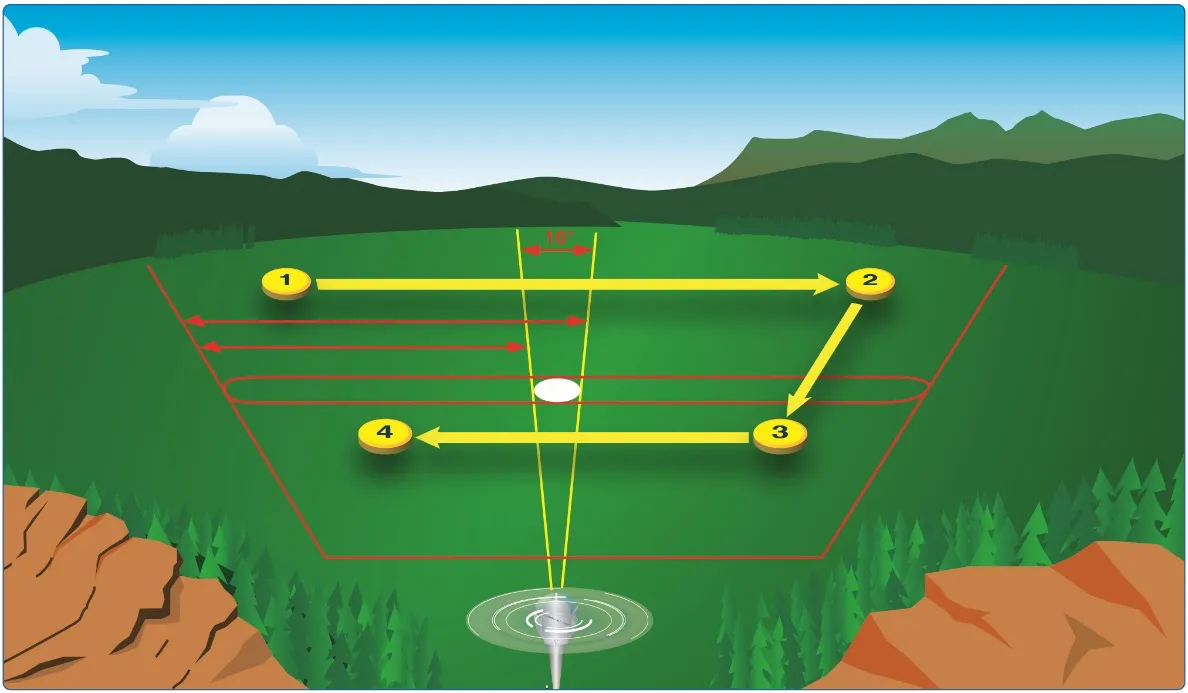
- Scan in small segments (10 degrees at a time)
- Pause briefly at each segment
- Don’t stare in one direction too long
- Focus on the drone, then scan the surrounding sky
Effects of Drugs and Alcohol
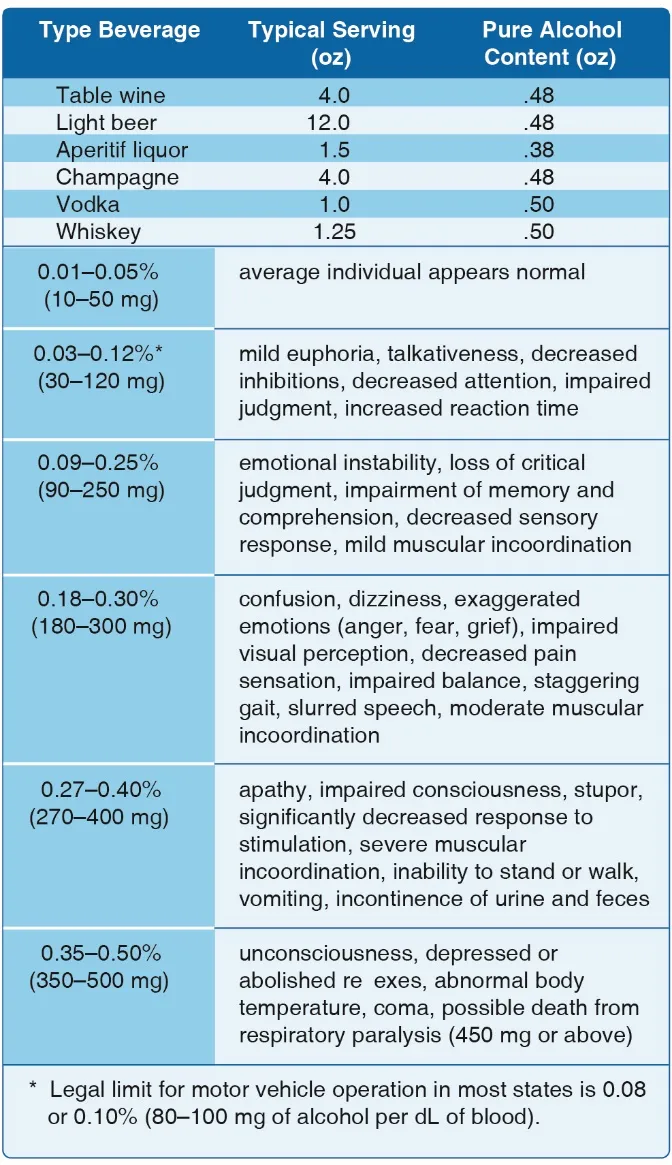
| Substance | Effect |
|---|---|
| Alcohol | Impaired judgment, slower reaction time, false sense of confidence |
| Antihistamines | Drowsiness, impaired coordination |
| Decongestants | Dizziness, elevated heart rate |
| Pain medication | Impaired judgment, drowsiness |
| Caffeine (excess) | Anxiety, tremors, impaired concentration |
The FAA tests over-the-counter medication effects. Even common cold medicine can impair your ability to act as PIC. When in doubt, don’t fly.
Carbon Monoxide
Not a cockpit risk for remote pilots — but the control station has its own exposure paths:
- Sources: vehicle exhaust (warming the truck up beside your van), generators powering ground stations, idling equipment in enclosed or leeward-side setups
- Symptoms: headache, dizziness, nausea, impaired judgment — and a distinctive cherry-red skin color late
- Danger: odorless and colorless; symptoms mimic fatigue, so you’ll blame the wrong cause
- Treatment: fresh air immediately, medical evaluation for anyone symptomatic — CO lingers in the blood for hours
Night Physiology (V.E.K8)
Night flying (legal without a waiver since 2021, §107.29) changes how your eyes work, because it changes which cells do the work:
- Cones handle daylight color and detail and cluster at the fovea; rods handle dim light, sit in the peripheral retina, and take roughly 30 minutes to fully dark-adapt — the reason you brief and set up in dim red light before a night launch, not under white headlamps
- The rod-free fovea is effectively night-blind: looking directly at a dim drone can make it vanish. Averted vision — looking 10° off the target — brings the rods online and is the standard technique for holding VLOS on a dim aircraft
- Empty-field myopia worsens: a blank dark sky focuses your eyes at a few feet, so scan against terrain edges, stars, and lit structures
- Depth perception at night runs on size, brightness, and motion parallax — all unreliable at distance. Widen obstacle margins accordingly
Night Illusions (V.E.K9)
The classic manned illusions translate into FPV and control-station traps:
- Relative-motion illusion: your drone hovering in a steady wind while clouds drift can seem to slide sideways; a camera feed against moving traffic reads as aircraft motion
- False horizons: cloud layers, shorelines, and city-light grids tilt your sense of level — the drone’s artificial horizon is the truth, your inner ear is not
- Flicker vertigo: strobing lights (including your own anti-collision flash reflected off haze at close range) can, at certain frequencies, produce nausea and disorientation — reposition the light or your eyes
- Autokinesis: a single point light in darkness (a distant tower beacon) appears to move after seconds of staring — the reason VLOS pilots are taught to scan rather than fixate
Medications in Depth (V.E.K3)
The regs already answer the legality: §107.17 bars anyone who “knows or has reason to know” of an interfering condition — and impairing medication creates exactly that knowledge. Practical layers:
- Sedating antihistamines (diphenhydramine and friends) are the classic trap: labeled “nighttime” for a reason, and they impair long after the drowsiness feeling fades
- Combination products hide the sedating ingredient inside “multi-symptom” branding — read the active ingredients every time
- A useful self-check: if the medication warns against driving, it warns against piloting; the FAA’s guidance on OTC drugs treats “may cause drowsiness” as a no-fly label
- New prescriptions deserve a ground-test day: know how the drug affects you before it meets a mission
Fatigue, Quantified
Fatigue is the impairment everyone underestimates because it feels like normal life. The research-based comparisons the FAA teaches:
- 17–19 hours awake degrades performance to a level comparable to a 0.05% blood alcohol concentration; a full 24 hours awake approximates 0.10% — beyond the FAA’s 0.04% ceiling for acting as crew
- Fatigue accumulates across a week of short sleep; Friday feels like Wednesday’s hangover without any alcohol
- The skills that go first are exactly the ones drone work runs on: judgment, risk assessment, and sustained attention — reaction time degrades later, so you feel fine while deciding badly
The IMSAFE checkbox for fatigue is honest arithmetic: hours slept, hours awake, days in a row worked. The answers are numbers; treat them like visibility minimums.
Stress
Stress loads the same working memory you fly with. Acute stress (the client calling mid-flight) narrows attention — tunneling on the aircraft while the sky goes unscanned. Chronic stress (money, family, schedule) quietly erodes the judgment that IMSAFE’s “E” is asking about. The countermeasures are unglamorous and effective: brief the flight before the stress arrives, delegate monitoring to the VO when the phone rings, and treat “I’m too busy to think” as a no-fly input, not a scheduling problem.
Quick Check
Q: What is hyperventilation and what causes it? A: Breathing too rapidly, usually caused by stress, anxiety, or fear. Treat by breathing slowly.
Q: What is the most common physiological risk for outdoor drone operations? A: Dehydration. It impairs judgment and reaction time.
Q: Can over-the-counter cold medicine affect your ability to act as PIC? A: Yes — sedating antihistamines and decongestants impair long after you stop feeling drowsy, and §107.17 makes flying on them a known-condition violation.
Q: How long does full dark adaptation take, and why does it matter? A: Roughly 30 minutes for the rods — so brief and stage the night operation under dim light, and use averted vision (10° off-target) to see a dim aircraft.
Q: A distant tower beacon looks like it’s drifting after you stare at it. What is that? A: Autokinesis — a fixation illusion; the cure is scanning, not staring.
What’s Next?
Almost done. Let’s cover maintenance and inspection requirements, then wrap up with exam prep.
This free course covers the essential knowledge, but if you want video walkthroughs, practice exams, and instructor support, Pilot Institute’s Part 107 course is the most comprehensive option available.