Why Get Your Part 107 Certificate?
Do You Need a Part 107 Certificate?
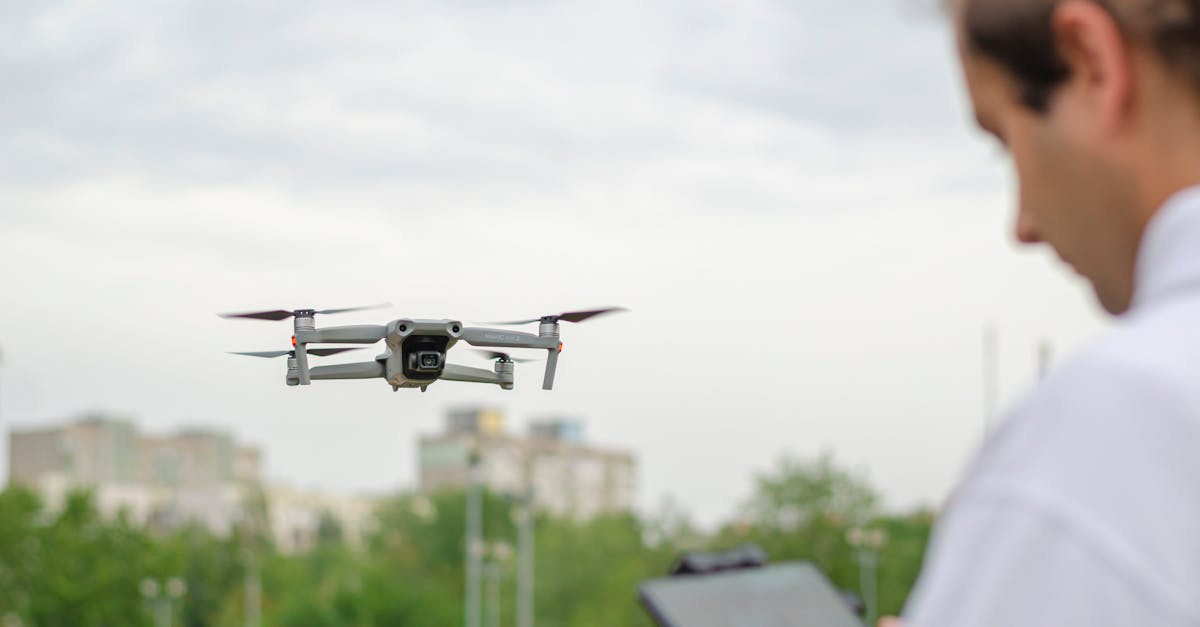
If you want to fly a drone for any commercial purpose (real estate photography, roof inspections, mapping, wedding videos, or surveying land), you need a Remote Pilot Certificate with an sUAS rating under 14 CFR Part 107.
“Commercial” is broadly defined. If you receive any compensation for flying, even if it’s just building your portfolio, the FAA considers it commercial. Recreational flying falls under Section 44809. Everything else requires Part 107.
The Exam at a Glance
| Detail | What to Expect |
|---|---|
| Questions | 60 multiple-choice (3 choices each) |
| Time limit | 2 hours |
| Passing score | 70% (42 out of 60 correct) |
| Cost | ~$175 |
| Format | Computer-based at a PSI testing center |
The questions are drawn from five knowledge areas defined in the FAA’s Airmen Certification Standards (ACS):
- Regulations — 15-25% of the exam
- Airspace & Requirements — 15-25%
- Weather — 11-16%
- Loading & Performance — 7-11%
- Operations — 35-45%
Operations is the biggest chunk (35-45%), but most study guides spend too little time on it. Airspace is the second-heaviest. Master those two and you’re more than halfway to passing.
Are You Eligible?
You can take the Part 107 knowledge test if you:
- Are at least 16 years old
- Can read, speak, write, and understand English
- Are in a physical and mental condition to safely operate a drone
- Can pass the FAA knowledge test
No prior pilot’s license, flight hours, or college degree needed. The exam is the only hurdle.
Registering for the Exam
-
Get an FAA Tracking Number (FTN) — Create an account at IACRA (Integrated Airman Certification and Rating Application). Your FTN is your permanent FAA identifier.
-
Schedule the exam — Visit faa.psiexams.com to find a testing center and book your appointment. Testing centers are in most major cities.
-
Study — That’s what this course is for.
What to Bring on Test Day
- Government-issued photo ID (driver’s license or passport). This is mandatory.
- Your FTN number

What you do NOT need to bring:
- Calculator — the testing software has one built in
- Chart supplement or sectional — the FAA provides the Testing Supplement (FAA-CT-8080-2H) with all the charts and figures referenced in the exam questions
- Paper or notes — nothing is allowed in the testing room
Familiarize yourself with the Testing Supplement beforehand. Download the PDF free from the FAA. During the exam, knowing where to find information in the supplement saves precious time.
After You Pass
You’ll get preliminary results on screen before you leave the testing center. Official results arrive by email, typically within a few days.
Once you pass:
- Log back into IACRA and complete the Remote Pilot Certificate application
- The FAA processes your application (usually 1-2 weeks)
- You receive a temporary certificate you can print and use immediately
- Your permanent certificate card arrives in the mail
Your certificate is valid for 24 calendar months. To stay current, you must complete recurrent training (either an online course or retake the exam) before it expires.
Quick Check
Q: What score do you need to pass the Part 107 exam? A: 70%. That’s 42 out of 60 questions correct.
Q: What is an FTN and where do you get one? A: FAA Tracking Number. Create an account at IACRA (iacra.faa.gov).
Q: What is the FAA Testing Supplement? A: A reference document provided at the testing center containing all charts, figures, and legends referenced in exam questions.
Study Resources
For a complete list of free FAA publications, study guides, and flight planning tools, visit our Resources page.
What’s Next?
Now that you know what the exam looks like, let’s handle the paperwork: registering your drone and applying for your certificate.
This free course covers the essential knowledge, but if you want video walkthroughs, practice exams, and instructor support, Pilot Institute’s Part 107 course is the most comprehensive option available.