Remote PIC Responsibilities
The Remote PIC Is In Charge
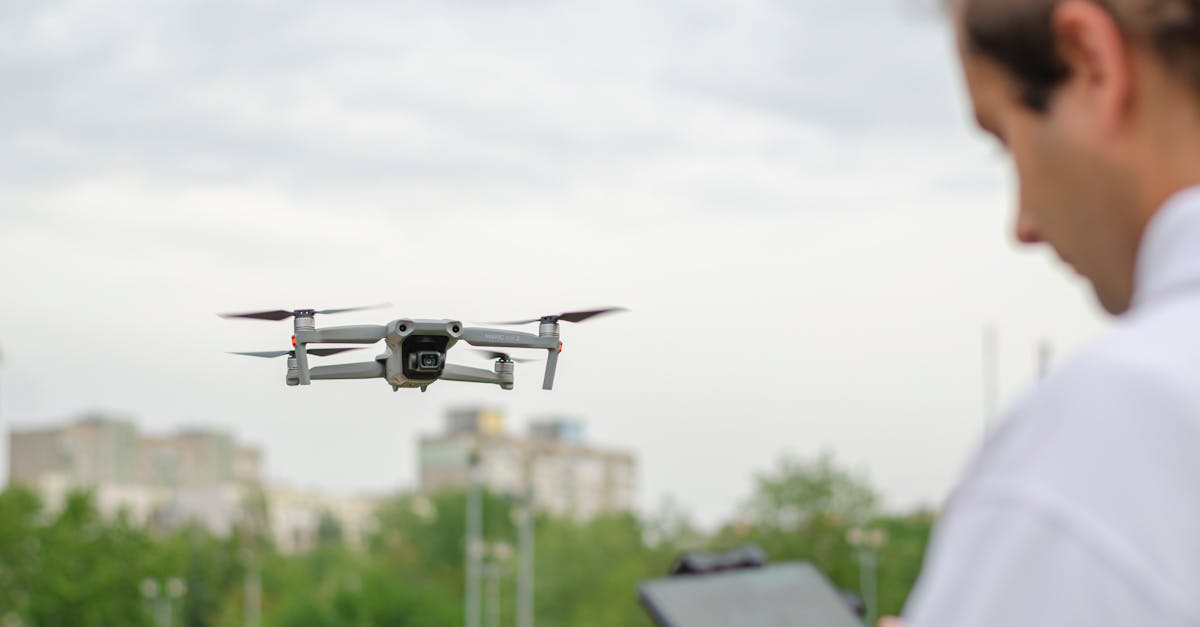
The Remote Pilot in Command (PIC) is the person who has final authority and responsibility for the operation. This core concept shows up throughout the regulations section.
Key principle: the PIC can delegate tasks but not responsibility. You can have someone else manipulate the controls, but if something goes wrong, the PIC is accountable.
Who Can Be the PIC?
The PIC must hold a current Remote Pilot Certificate and be in a physical and mental condition to safely operate. If you haven’t completed your recurrent training, you cannot act as PIC.
Crew Roles
Remote PIC
- Ultimate authority and responsibility
- Must ensure the operation complies with all regulations
- Must ensure all crewmembers are briefed on the operation
- Can simultaneously manipulate the controls
Person Manipulating the Controls (PMC)
- The person actually flying the drone
- Does NOT need their own Remote Pilot Certificate
- Must be under the direct supervision of the PIC
- The PIC must be able to take control at any time
A person without a Remote Pilot Certificate CAN fly the drone, but only if a certificated PIC is directly supervising and can immediately take over. The PMC does not need their own certificate.
Visual Observer (VO)
- Assists the PIC in maintaining VLOS and situational awareness
- Must be designated by the PIC before the flight
- Must be able to see the drone at all times during the operation
- Must be in direct communication with the PIC
Preflight Responsibilities
Before any flight, the PIC must:
- Assess the operating environment — weather, airspace, obstacles, people on the ground
- Brief all crewmembers — roles, emergency procedures, operating conditions
- Verify the drone is in condition for safe flight — preflight inspection
- Check for NOTAMs and airspace restrictions
- Ensure compliance with all applicable regulations
Alcohol and Drugs
Part 107 mirrors the rules for manned aviation:
- 8 hours from bottle to throttle — no flying within 8 hours of consuming alcohol
- 0.04% blood alcohol concentration — cannot act as PIC at or above this level
- No drugs that affect your mental or physical capabilities
- Refusing a drug/alcohol test is grounds for certificate action
“8 hours bottle to throttle, 0.04% BAC.” This is a common exam question. Note that 0.04% is HALF the driving limit in most states. The FAA is stricter.
Federal, State, and Local Rules
Part 107 is the federal baseline. But you must also comply with:
- State laws — some states have their own drone regulations
- Local ordinances — cities and counties may restrict drone operations in parks, near buildings, etc.
- TFRs (Temporary Flight Restrictions) — can be issued at any time for wildfires, VIP movements, disasters
The FAA asks about the relationship between federal and local rules. Federal aviation regulations preempt conflicting local rules about airspace. But local governments can regulate takeoff/landing locations (like banning drone flights from city parks).
Quick Check
Q: Can someone without a Remote Pilot Certificate fly the drone? A: Yes, as a Person Manipulating the Controls, but only under the direct supervision of a certificated PIC.
Q: What is the alcohol limit for acting as remote PIC? A: 0.04% BAC, and no alcohol within 8 hours of flying.
Q: Who is ultimately responsible for a drone operation? A: The Remote PIC, always. Responsibility cannot be delegated.
What’s Next?
Now let’s look at two specialized areas: operations over people and night flying. Both are recent additions to Part 107 that the FAA increasingly tests.
This free course covers the essential knowledge, but if you want video walkthroughs, practice exams, and instructor support, Pilot Institute’s Part 107 course is the most comprehensive option available.