Aeronautical Decision Making
The Most Important Non-Technical Topic
Aeronautical Decision Making (ADM) may seem like soft skills, but the FAA tests it extensively. The principle is straightforward: most accidents happen not because of equipment failure, but because of poor decisions.
The IMSAFE Checklist
Before every flight, evaluate yourself using IMSAFE:
| Letter | Factor | Question |
|---|---|---|
| I | Illness | Am I sick? Even a cold affects performance. |
| M | Medication | Am I taking anything that could impair me? |
| S | Stress | Am I under unusual pressure? (work, personal, deadline) |
| A | Alcohol | Have I consumed alcohol in the last 8 hours? |
| F | Fatigue | Am I well-rested? Tired pilots make mistakes. |
| E | Emotion | Am I in a good mental state? (angry, distracted, rushed) |
IMSAFE is tested directly. The FAA will present a scenario and ask which IMSAFE factor applies. “Pilot had a fight with spouse, then went flying” equals Emotion. “Pilot took cold medication” equals Medication.
The PAVE Checklist
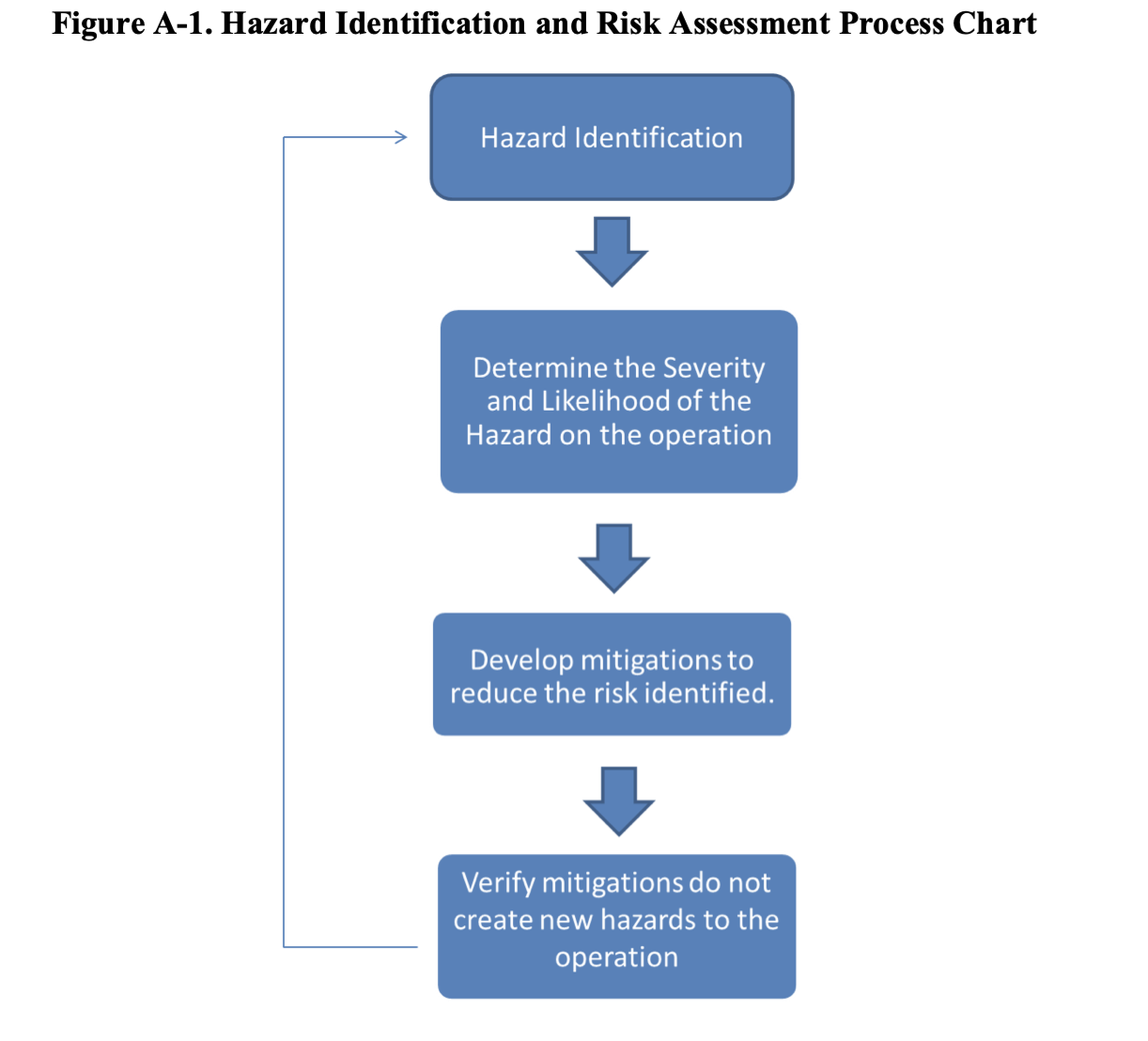
Evaluate the risk factors before flight:
| Letter | Factor | What to Check |
|---|---|---|
| P | Pilot | IMSAFE, currency, experience level |
| A | Aircraft | Is it airworthy? Properly maintained? Within weight limits? |
| e | Environment | Weather, airspace, obstacles, terrain, time of day |
| V | External pressures | Client deadlines, financial pressure, “get-home-itis” |
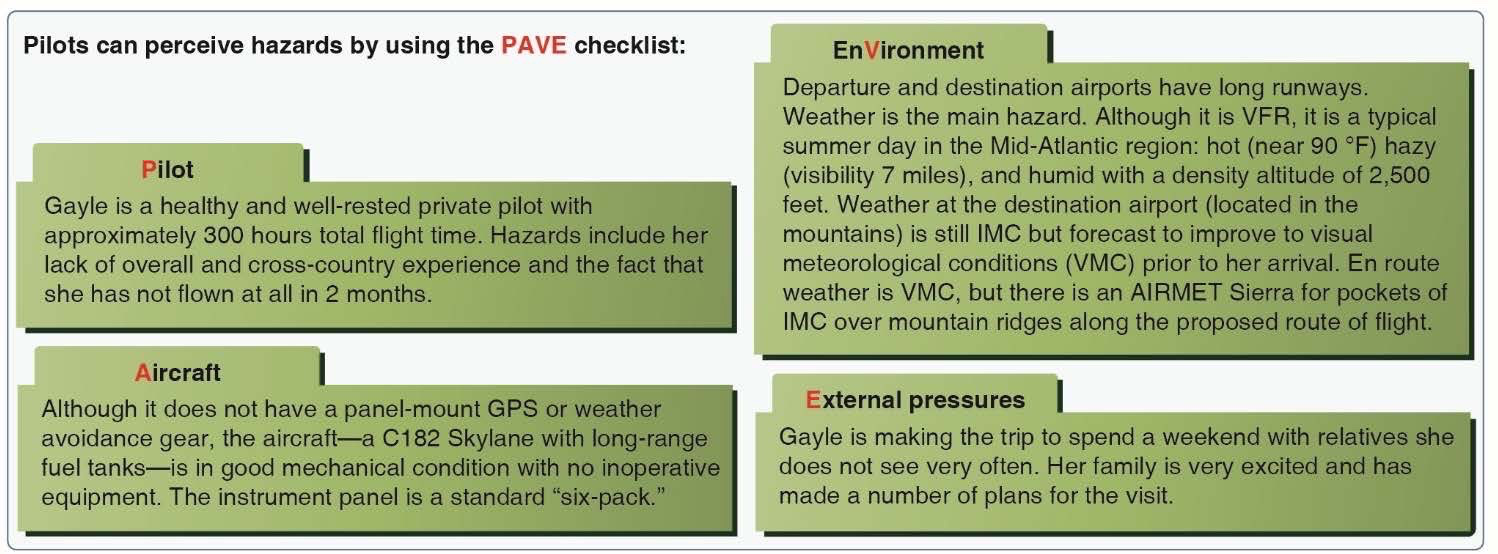
External pressures are the most dangerous risk factor. The pressure to “just get it done” leads to bad decisions. Always be willing to cancel or postpone.
The Five Hazardous Attitudes
The FAA identifies five attitudes that lead to poor decisions:
1. Anti-Authority (“Don’t tell me”)
- Resentment of rules and procedures
- Antidote: “Follow the rules. They’re usually right.”
2. Impulsivity (“Do it quickly”)
- Acting on the first idea without considering alternatives
- Antidote: “Not so fast. Think first.”
3. Invulnerability (“It won’t happen to me”)
- Believing accidents happen to other people
- Antidote: “It could happen to me.”
4. Macho (“I can do it”)
- Trying to prove yourself by taking risks
- Antidote: “Taking chances is foolish.”
5. Resignation (“What’s the use?”)
- Feeling that your actions don’t matter
- Antidote: “I’m not helpless. I can make a difference.”
The FAA gives you a scenario, identifies the hazardous attitude, and asks for the antidote. Memorize the five attitudes and their antidotes.
Crew Resource Management (CRM)
CRM applies even to small drone crews:
- Communication: clear, closed-loop communication (repeat back instructions)
- Situational awareness: everyone knows what’s happening at all times
- Workload management: distribute tasks to avoid overloading the PIC
- Assertiveness: a VO should feel comfortable saying “I lost sight of the drone!”
The FAA tests that crewmembers should speak up about safety concerns, regardless of hierarchy. A visual observer who loses sight of the drone MUST tell the PIC immediately.
Risk Management Process
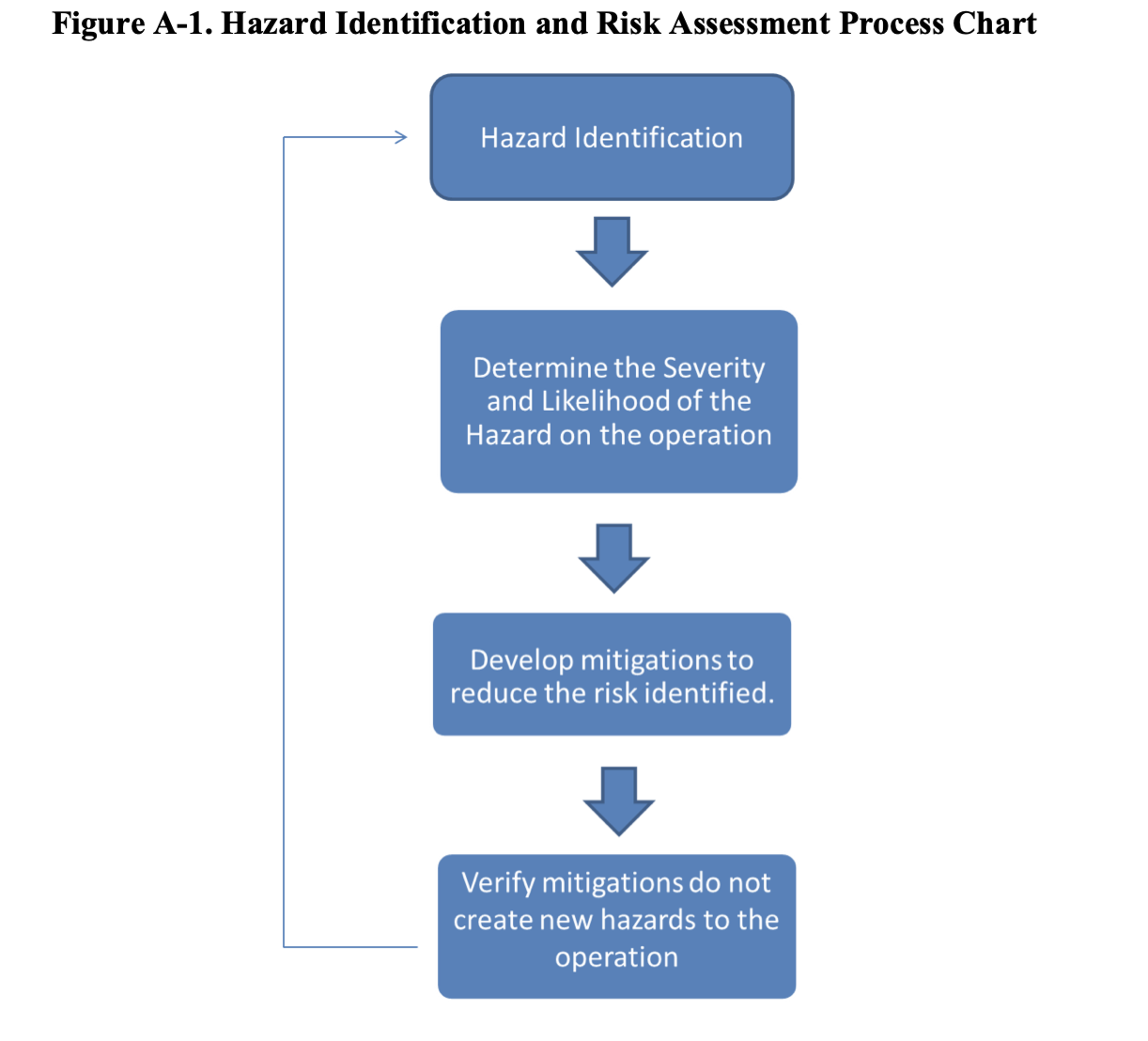
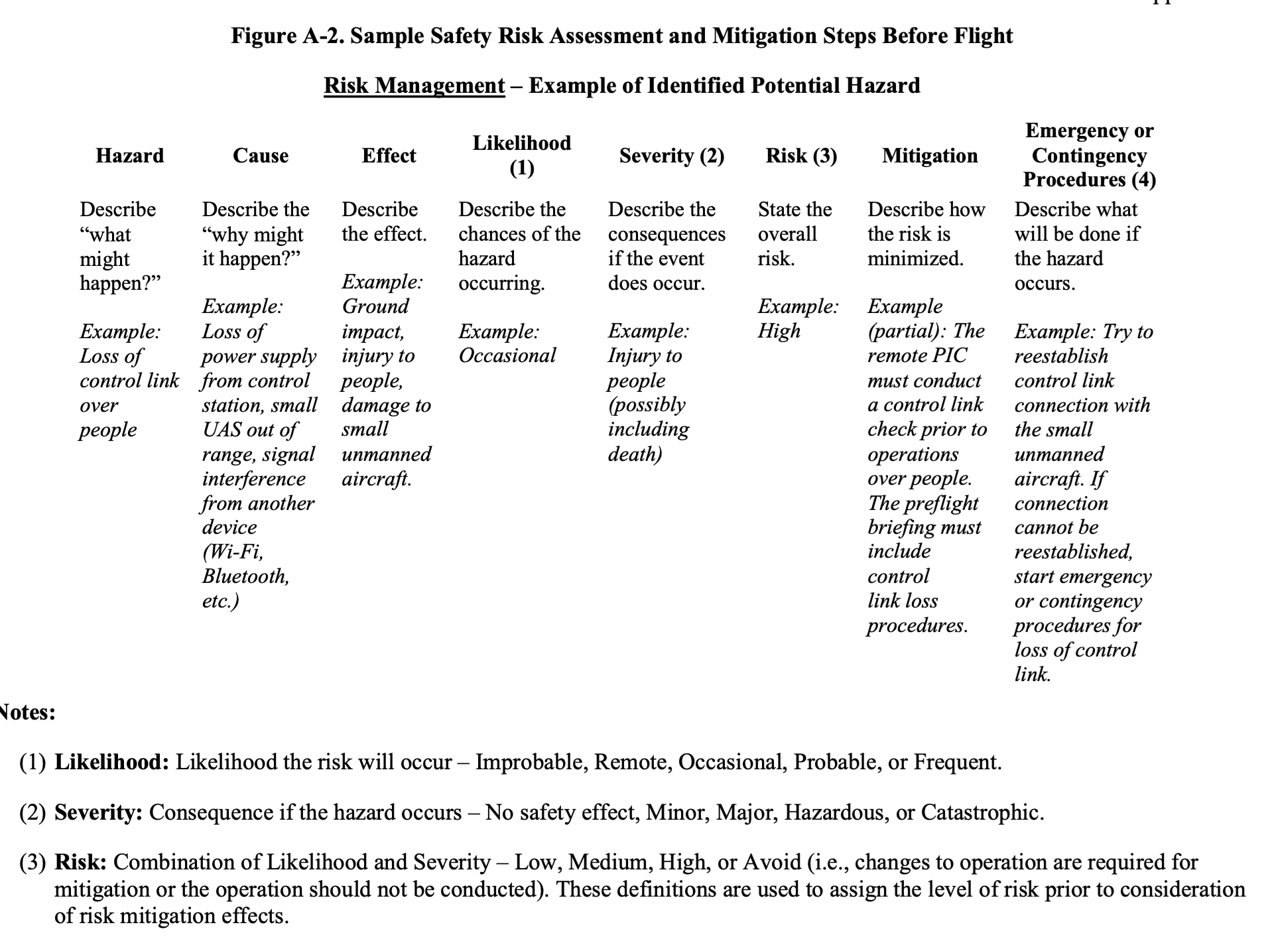
- Identify hazards: what could go wrong?
- Assess risk: how likely and how severe?
- Mitigate risk: what can you do to reduce it?
- Make decision: accept, reduce, or eliminate the risk
Deciding to Fly or Not
Use the “3P model” (Perceive, Process, Perform):
- Perceive the hazards
- Process their impact on safety
- Perform the best course of action
Quick Check
Q: What does IMSAFE stand for? A: Illness, Medication, Stress, Alcohol, Fatigue, Emotion.
Q: What is the antidote for the “invulnerability” attitude? A: “It could happen to me.”
Q: What should a visual observer do if they lose sight of the drone? A: Immediately inform the PIC.
What’s Next?
Operations section complete. Now let’s cover physiology and maintenance: the final knowledge areas before exam prep.
This free course covers the essential knowledge, but if you want video walkthroughs, practice exams, and instructor support, Pilot Institute’s Part 107 course is the most comprehensive option available.