Aircraft Performance
Performance Factors
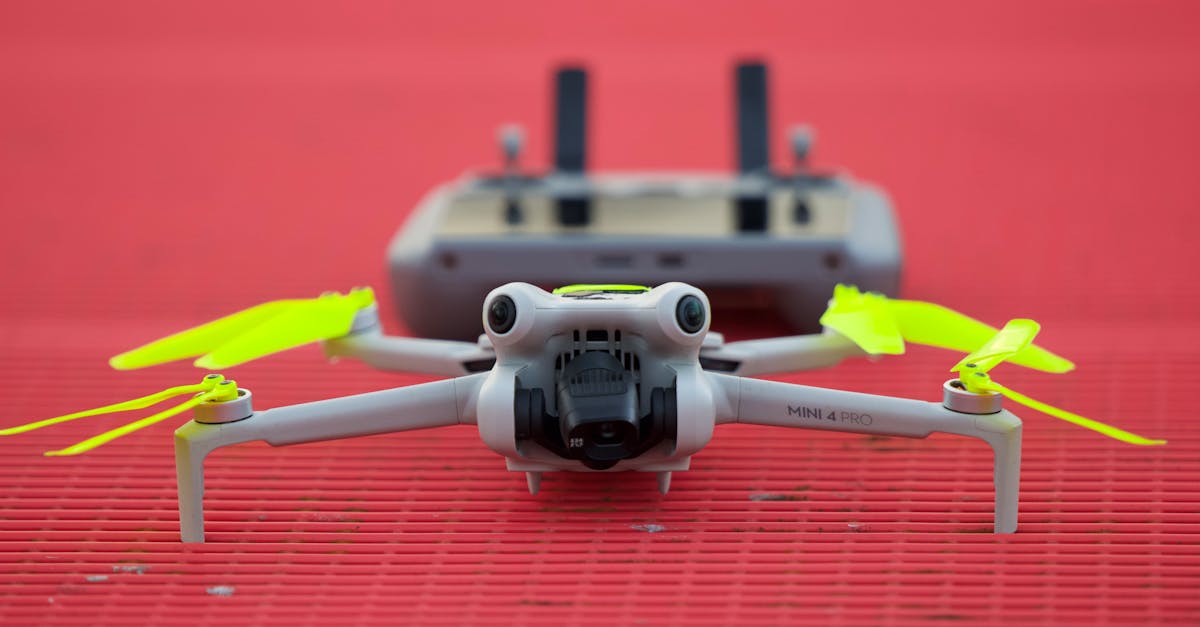
Your drone’s performance isn’t fixed. It changes based on environmental conditions. The FAA tests whether you understand what makes performance better or worse.
Conditions That Decrease Performance
Remember: “HAWL” for High altitude, Altitude, Weight, Low pressure. Or just think: bad conditions mean less performance.
| Factor | Effect on Performance |
|---|---|
| High altitude | Less air density, less lift |
| High temperature | Less air density, less lift |
| High humidity | Less air density, less lift |
| Low pressure | Less air density, less lift |
| High weight | More load on propellers, reduced margins |
All of these increase density altitude, which is the master metric for performance.
Takeoff and Landing Performance
While drones don’t take off on runways, the concept still applies:
- More power needed to lift off in hot, high, or humid conditions
- Longer spool-up time before the drone generates enough lift
- Reduced ability to arrest a descent during landing
On a hot day at altitude, don’t expect your drone to respond as crisply as it does at sea level on a cool morning. Give yourself more margin.
Climb Performance
Climb rate is determined by excess power: the difference between power available and power required to maintain altitude.
- More excess power = faster climb
- Less excess power = slower climb (or inability to climb at all)
Conditions that reduce excess power:
- High density altitude
- Heavy payload
- Low battery charge
- Turbulent air (fighting gusts requires power)
Endurance and Range
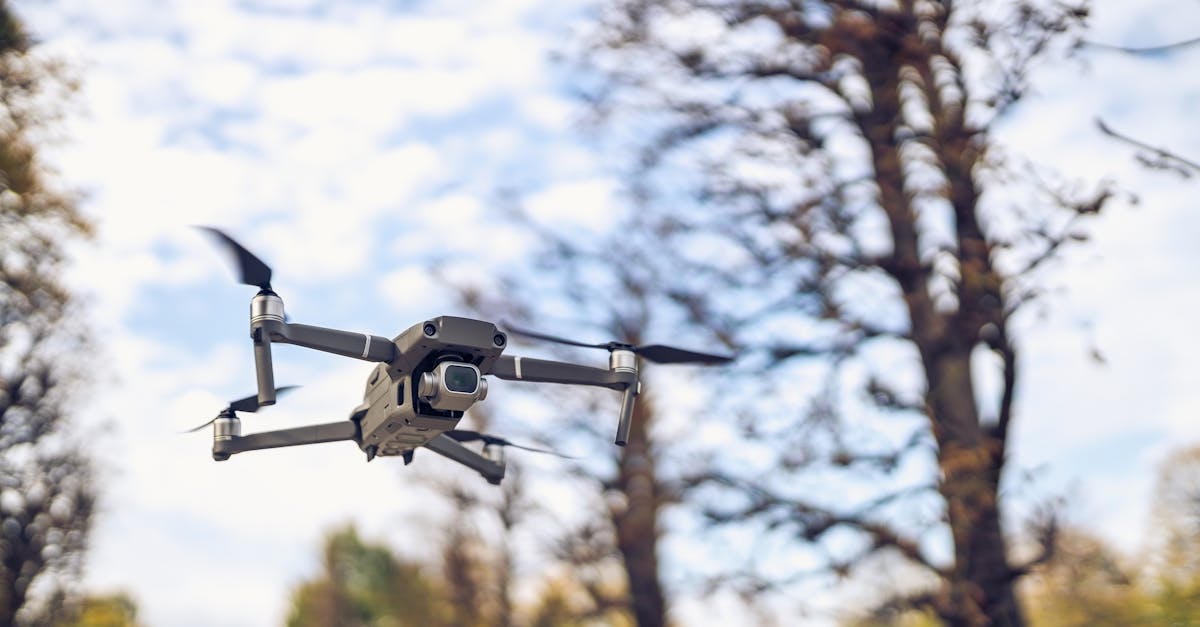
Endurance = how long you can stay in the air Range = how far you can fly
Both are affected by:
- Battery capacity: the fundamental limit
- Flying style: hovering uses less power than aggressive maneuvers
- Wind: headwinds reduce range, tailwinds extend it
- Weight: heavier drones drain batteries faster
- Temperature: cold batteries provide less capacity. Lithium batteries lose efficiency below roughly 40 degrees F.
On cold days, keep your batteries warm (in an interior pocket) until just before flight. Cold batteries can lose 20-30% of their capacity.
The Performance Equation
Performance depends on density altitude, weight, wind, and battery state.
- Best performance: Low altitude, cool day, low humidity, high pressure, light payload, fresh battery, calm wind
- Worst performance: High altitude, hot day, humid, low pressure, heavy payload, aging battery, strong wind
The FAA tests this concept: “Which conditions result in the poorest performance?” Answer: hot, high, humid, heavy.
Manufacturer’s Operating Handbook
Always follow your drone manufacturer’s published performance data:
- Maximum wind resistance
- Operating temperature range
- Maximum flight time (under ideal conditions)
- Maximum payload capacity
- Service ceiling (maximum altitude)
These are the baseline. Real-world performance is almost always worse than the brochure claims.
Quick Check
Q: Which conditions produce the worst drone performance? A: Hot temperature, high altitude, high humidity, heavy payload.
Q: How does cold temperature affect lithium batteries? A: Reduces capacity significantly. Batteries can lose 20-30% in cold conditions.
Q: What determines climb rate? A: Excess power, which is the difference between power available and power required to maintain level flight.
What’s Next?
Loading and performance covered. Now we enter the largest exam section: Operations. Airport operations, radio communications, emergency procedures, and decision-making.
This free course covers the essential knowledge, but if you want video walkthroughs, practice exams, and instructor support, Pilot Institute’s Part 107 course is the most comprehensive option available.