Weather Briefings & Sources
Where to Get Weather Information
Before every flight, Part 107 requires you to assess weather conditions. Here are the primary sources:
1. Aviation Weather Center (aviationweather.gov)
- Official NOAA aviation weather
- METARs, TAFs, SIGMETs, AIRMETs, wind charts
- Free, comprehensive, always current
2. 1800wxbrief.com (Leidos Flight Service)
- Official FAA flight service portal
- Can request standard, abbreviated, or outlook briefings
- Provides NOTAMs and TFR information alongside weather
3. ForeFlight / AirMap / Aloft (Apps)
- Popular flight planning apps
- Show weather, airspace, TFRs, NOTAMs in one interface
- Most Part 107 pilots use one of these daily
4. Automated Surface Observing System (ASOS/AWOS)
- Automated weather stations at airports
- Broadcast on local frequencies (check Chart Supplement)
- Updated every minute, reported hourly
The FAA considers 1800wxbrief.com the “official” source for preflight weather briefings. Any of the three briefing types (standard, abbreviated, outlook) satisfies the requirement.
Types of Briefings
Standard Briefing
- Complete weather picture
- Use when: First briefing of the day, or more than 2 hours since last briefing
- Includes: Adverse conditions, VFR flight not recommended, current conditions, forecast, winds aloft
Abbreviated Briefing
- Supplemental information to update a previous briefing
- Use when: You need specific information (for example, just the current METAR at a nearby airport)
- Includes: Only the requested information plus any changes since last briefing
Outlook Briefing
- Planning purposes only (6+ hours ahead)
- Use when: Planning future flights, not for immediate go/no-go decisions
- Includes: General weather trends and expected conditions
The FAA tests which briefing type to use when. Standard = full picture, Abbreviated = update, Outlook = planning ahead.
SIGMETs and AIRMETs
SIGMET (Significant Meteorological Information)
- Severe weather that affects ALL aircraft
- Includes: Severe icing, severe turbulence, dust storms, volcanic ash, tropical storms
- Valid for up to 4 hours (6 hours for hurricanes)
- Shown as red on weather charts
AIRMET (Airmen’s Meteorological Information)
- Weather that may affect lighter aircraft (including drones)
- Three types:
- AIRMET Sierra: IFR conditions and mountain obscuration (low ceilings, widespread fog)
- AIRMET Tango: Turbulence, strong surface winds, low-level wind shear
- AIMET Zulu: Icing and freezing level information
- Valid for up to 6 hours
- Shown as yellow/orange on weather charts
AIRMETs matter MORE for drone pilots than SIGMETs, because AIRMETs specifically address conditions that affect small and light aircraft. Pay attention to Tango (turbulence/wind) and Sierra (low visibility).
Wind Charts
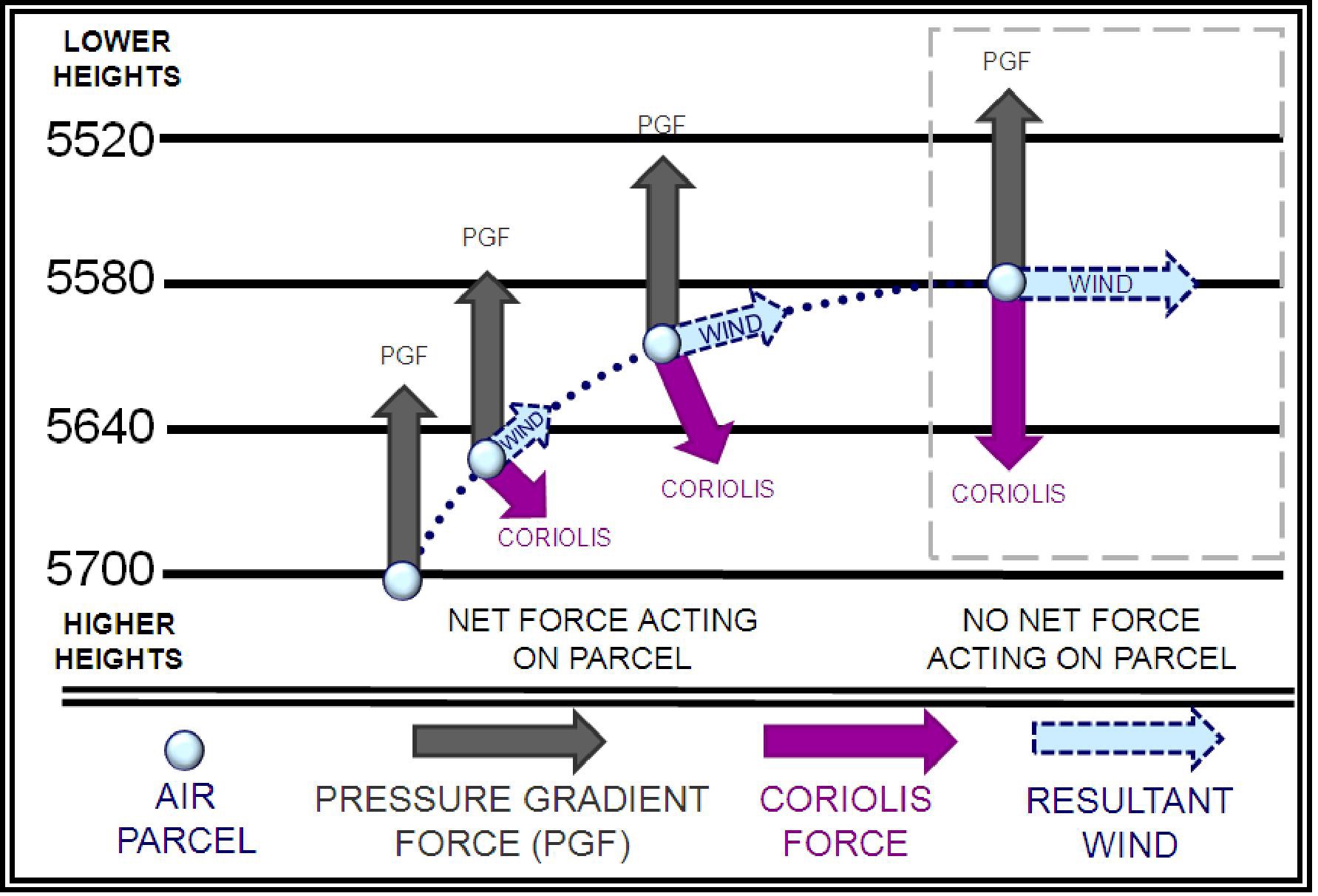
- Show wind speed and direction at multiple altitudes
- Depicted with wind barbs (lines with flags and pennants)
- Each short barb = 5 knots, long barb = 10 knots, pennant = 50 knots

You’re interested in surface winds, but upper-level wind charts can help predict what conditions will be like. Strong winds aloft can mix down to the surface during the day.
Making the Go/No-Go Decision
Before every flight, check:
- Current METAR at nearest airport: visibility, wind, clouds
- TAF: what’s the forecast for your operating window?
- AIRMETs/SIGMETs: any hazardous weather advisories?
- TFRs and NOTAMs: any airspace restrictions?
- Local conditions: what you see out the window matters too
If the METAR shows conditions at or near Part 107 minimums (3 SM visibility, low clouds), don’t fly. Conditions can deteriorate faster than you can land.
Quick Check
Q: What are the three types of weather briefings? A: Standard (complete), Abbreviated (update), Outlook (planning).
Q: What does an AIRMET Tango cover? A: Turbulence, strong surface winds, and low-level wind shear.
Q: How long is a SIGMET valid? A: Up to 4 hours (6 hours for hurricanes).
What’s Next?
Weather section complete. Now we move into loading, performance, and aerodynamics: how your drone flies and what limits its capabilities.
This free course covers the essential knowledge, but if you want video walkthroughs, practice exams, and instructor support, Pilot Institute’s Part 107 course is the most comprehensive option available.