Human Factors & Physiology
Why Physiology Matters for Drone Pilots
You’re not flying at 30,000 feet, but your body still affects your performance. The FAA tests physiology because a compromised pilot makes bad decisions.
Hypoxia
Hypoxia means insufficient oxygen reaching the brain. While unlikely for drone pilots at ground level, the FAA tests it:
- Symptoms: Euphoria, impaired judgment, tunnel vision, dizziness, blue fingernails
- Onset: Gradual at moderate altitudes, rapid at high altitudes
- Treatment: Descend to lower altitude, use supplemental oxygen
You’re not at risk of hypoxia operating at ground level. But if you’re conducting mountain operations at high elevation (8,000+ ft MSL), mild effects are possible, especially with exertion.
Hyperventilation
Hyperventilation means breathing too rapidly and expelling too much CO2:
- Symptoms: Lightheadedness, tingling in fingers and toes, muscle spasms, feeling of suffocation
- Causes: Stress, anxiety, fear, high altitude
- Treatment: Breathe slowly, breathe into a paper bag, or talk aloud (which forces a normal breathing rhythm)
Hyperventilation can happen to drone pilots, especially new pilots who are nervous during their first commercial jobs.
Dehydration
One of the most common and overlooked risks:
- Causes: Hot weather, long operations, not drinking enough water
- Symptoms: Headache, fatigue, dizziness, poor concentration, irritability
- Impact: Impaired judgment, slower reaction time, increased risk of bad decisions
On hot days at outdoor shoots, bring water. Dehydration creeps up on you and directly impairs your ability to make safe decisions.
Spatial Disorientation
The inner ear can be fooled by:
- Smooth, gradual turns: you may not sense you’re turning
- Leaning illusions: after a bank, you may feel straight and level when you’re still banked
- “The leans”: a false sense of bank angle
For drone pilots, spatial disorientation is less of a concern since you’re on the ground. But the FAA tests the concept, so understand it for manned aircraft scenarios.
Vision
Key Vision Concepts
- Central vision: sharp detail, used for reading instruments and seeing the drone
- Peripheral vision: detects motion, used for scanning for other aircraft
- Empty field myopia: when looking at a blank sky, your eyes focus at 3-5 feet instead of infinity

Scanning Technique
Use a systematic scanning pattern to maintain visual contact with your drone:
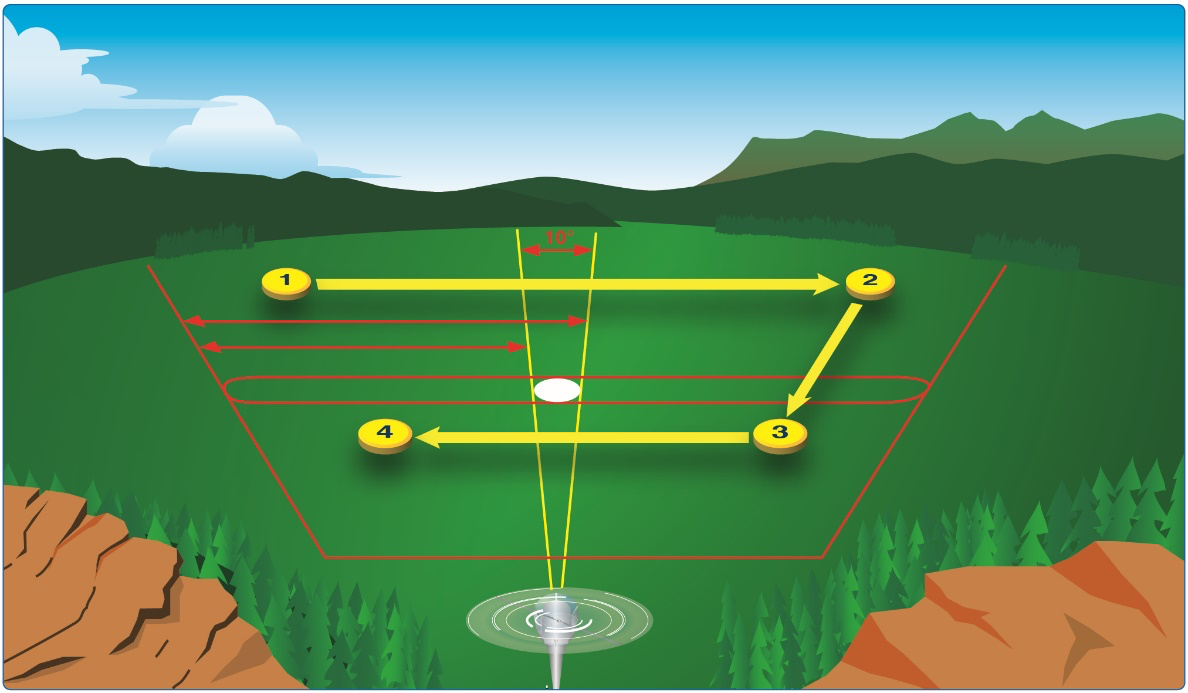
- Scan in small segments (10 degrees at a time)
- Pause briefly at each segment
- Don’t stare in one direction too long
- Focus on the drone, then scan the surrounding sky
Effects of Drugs and Alcohol
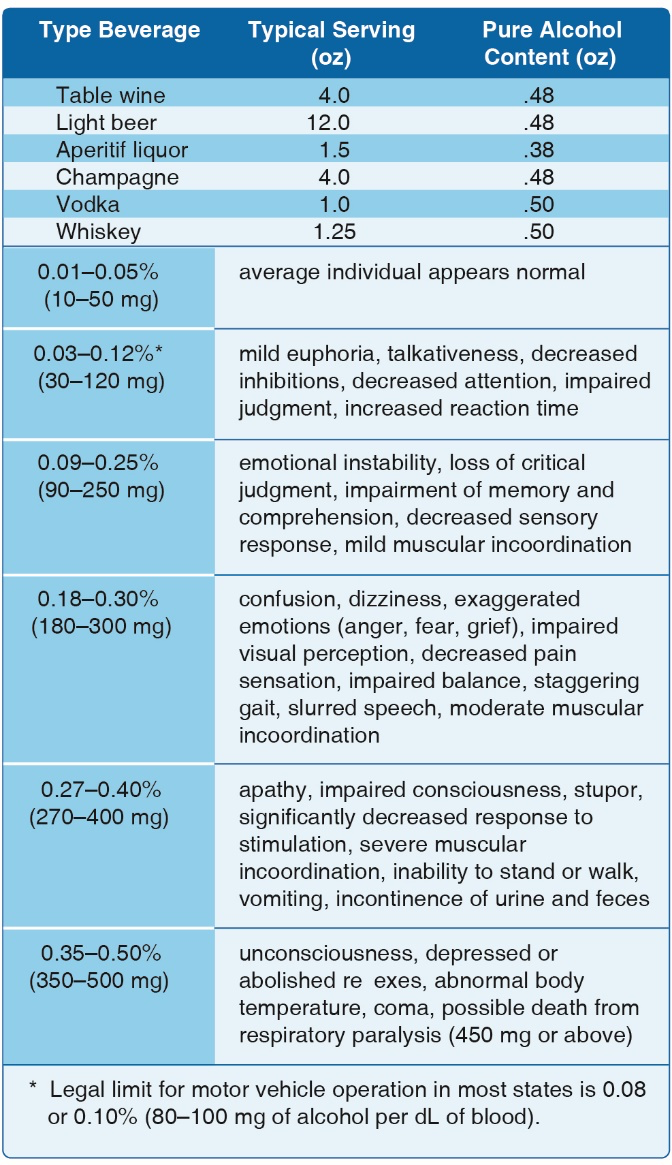
| Substance | Effect |
|---|---|
| Alcohol | Impaired judgment, slower reaction time, false sense of confidence |
| Antihistamines | Drowsiness, impaired coordination |
| Decongestants | Dizziness, elevated heart rate |
| Pain medication | Impaired judgment, drowsiness |
| Caffeine (excess) | Anxiety, tremors, impaired concentration |
The FAA tests over-the-counter medication effects. Even common cold medicine can impair your ability to act as PIC. When in doubt, don’t fly.
Carbon Monoxide
Not a direct risk for drone pilots since you’re not in an enclosed cockpit, but the FAA tests it:
- Source: Engine exhaust in enclosed spaces
- Symptoms: Headache, dizziness, nausea, impaired judgment
- Danger: Odorless and colorless. You can’t detect it.
Quick Check
Q: What is hyperventilation and what causes it? A: Breathing too rapidly, usually caused by stress, anxiety, or fear. Treat by breathing slowly.
Q: What is the most common physiological risk for outdoor drone operations? A: Dehydration. It impairs judgment and reaction time.
Q: Can over-the-counter cold medicine affect your ability to act as PIC? A: Yes. Antihistamines and decongestants can cause drowsiness and impaired coordination.
What’s Next?
Almost done. Let’s cover maintenance and inspection requirements, then wrap up with exam prep.
This free course covers the essential knowledge, but if you want video walkthroughs, practice exams, and instructor support, Pilot Institute’s Part 107 course is the most comprehensive option available.