Radio Communications
Do Drone Pilots Need Radios?
Part 107 does not require drone pilots to carry or use radios. But if you’re operating near airports, monitoring aviation frequencies improves your situational awareness a lot.
The FAA tests radio communication concepts. Not because you must use them, but because you need to understand how manned aviation communicates.
Key Frequencies
| Frequency | Use |
|---|---|
| 121.5 MHz | Emergency frequency (universal) |
| 122.750 MHz | Helicopter operations |
| 123.050 MHz | Airport advisory (Flight Service) |
| CTAF | Common Traffic Advisory Frequency (varies by airport) |
| MULTICOM 122.9 MHz | Self-announce at airports without CTAF |
| Tower frequency | At towered airports (varies) |
121.5 MHz is the universal emergency frequency. If your drone causes an airborne emergency (near miss, interference), this is where ATC would be monitoring.
The Phonetic Alphabet
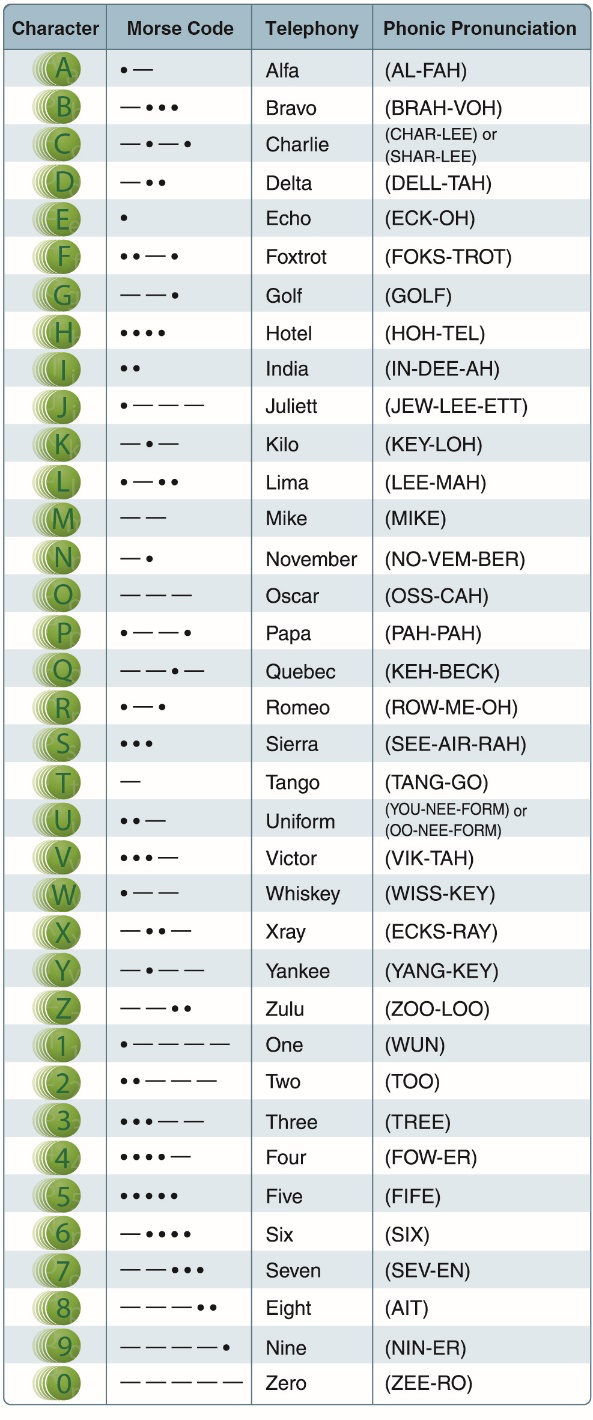
Aviation uses the ICAO phonetic alphabet to avoid confusion over radio:
| Letter | Word | Letter | Word |
|---|---|---|---|
| A | Alpha | N | November |
| B | Bravo | O | Oscar |
| C | Charlie | P | Papa |
| D | Delta | Q | Quebec |
| E | Echo | R | Romeo |
| F | Foxtrot | S | Sierra |
| G | Golf | T | Tango |
| H | Hotel | U | Uniform |
| I | India | V | Victor |
| J | Juliet | W | Whiskey |
| K | Kilo | X | X-ray |
| L | Lima | Y | Yankee |
| M | Mike | Z | Zulu |
The FAA tests specific letters. “November” = N, “Sierra” = S, “Tango” = T. Know the less obvious ones.
CTAF Communications
At non-towered airports, pilots announce their position and intentions on CTAF (Common Traffic Advisory Frequency):
- Airport name: “Chandler Municipal”
- Your position: “2 miles east, inbound”
- Your intentions: “will overfly at 300 feet AGL for photography”
- Airport name again: “Chandler Municipal”
Example: “Chandler Municipal traffic, Drone Station Alpha, two miles east, will conduct drone photography over the industrial park at 300 feet AGL, Chandler Municipal.”
Making a position announcement on CTAF isn’t required but is smart when operating near non-towered airports. It alerts manned pilots to your presence.
Tower Communications
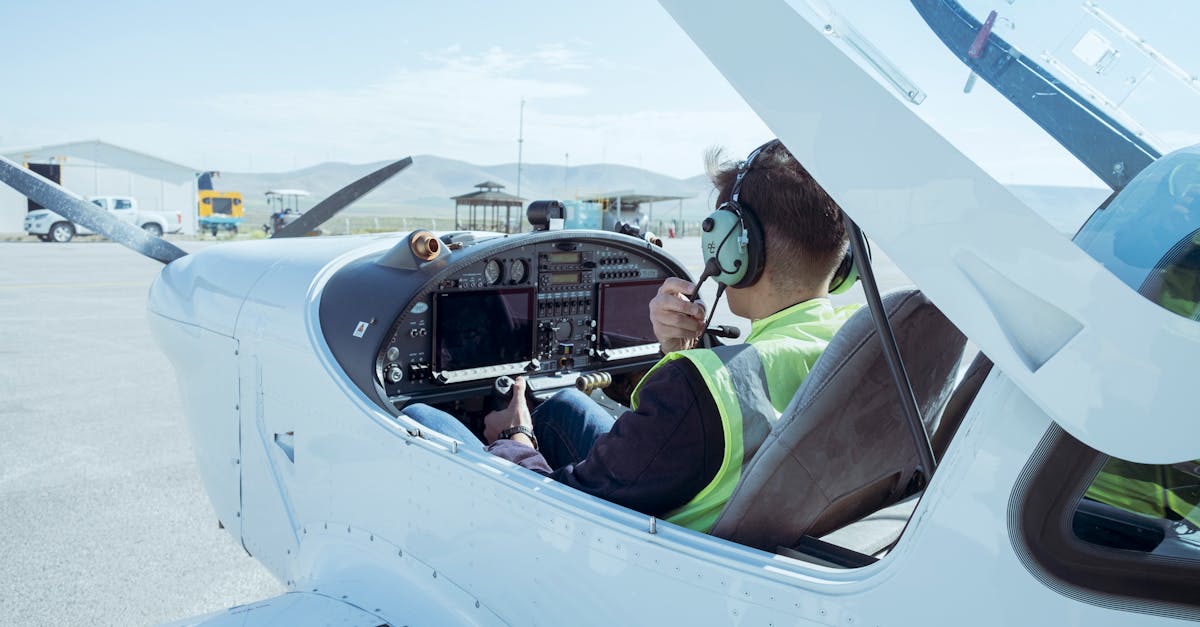
At towered airports, all communications go through ATC:
- Ground control handles taxi instructions
- Tower handles takeoff and landing clearance
- Drone pilots would contact tower for authorization, not for landing clearance
Light Gun Signals
If radio communication fails, tower controllers use light gun signals:
| Signal | Meaning (on ground) | Meaning (in flight) |
|---|---|---|
| Steady green | Cleared for takeoff | Cleared to land |
| Flashing green | Cleared to taxi | Return for landing |
| Steady red | Stop | Give way to other aircraft |
| Flashing red | Taxi clear of runway | Airport unsafe, do not land |
| Flashing white | Return to starting point | N/A |
| Alternating red/green | Exercise extreme caution | Exercise extreme caution |
The FAA tests light gun signals. At minimum, memorize: steady green (cleared), steady red (stop), flashing red (clear or dangerous), and alternating red/green (caution).
Quick Check
Q: What is the universal emergency frequency? A: 121.5 MHz.
Q: What does “November” represent in the phonetic alphabet? A: The letter N.
Q: What does a flashing red light gun signal mean to an aircraft on the ground? A: Taxi clear of the runway in use.
What’s Next?
Now let’s cover the unexpected: emergency procedures for flyaways, loss of link, and other in-flight emergencies.
This free course covers the essential knowledge, but if you want video walkthroughs, practice exams, and instructor support, Pilot Institute’s Part 107 course is the most comprehensive option available.