Emergency Procedures
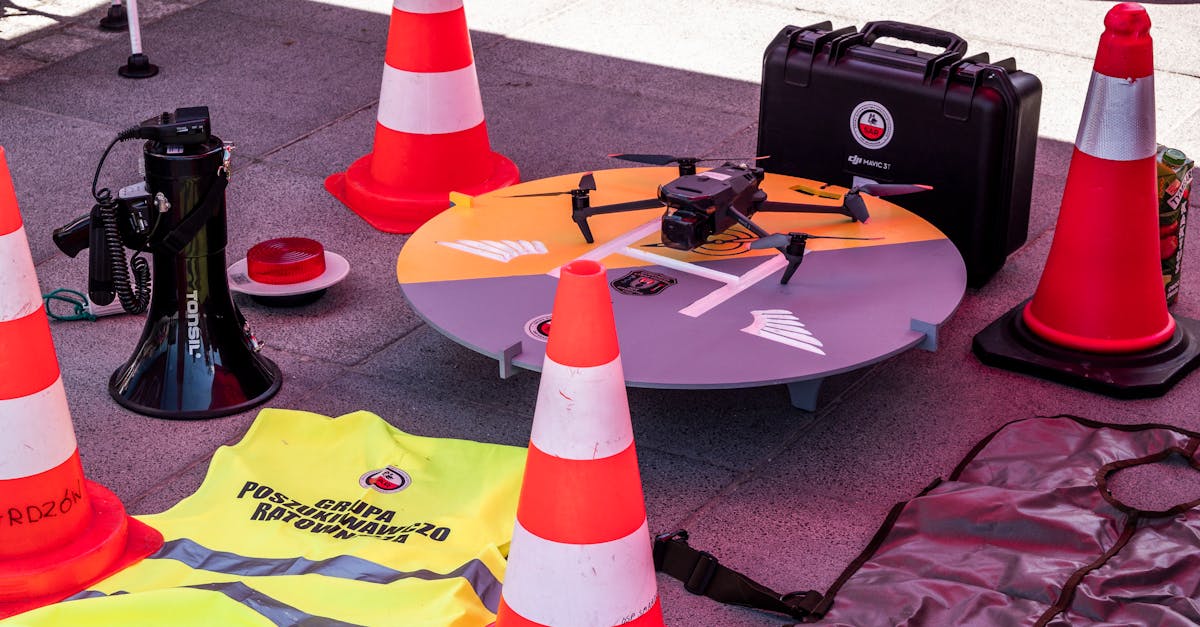
When Things Go Wrong
Emergency procedures are heavily tested because the FAA wants to know you won’t panic when your drone misbehaves. The key principle: protect people and property on the ground first.
Flyaways
A flyaway occurs when the drone stops responding to control inputs and moves in an unpredictable direction. This is different from a loss-of-link scenario, where the drone follows its pre-programmed return-to-home.
What to Do
- Immediately alert anyone in the area: shout, wave, get attention
- Note the last known direction and altitude
- If in controlled airspace, notify ATC: call the tower or approach frequency
- Attempt to regain control: switch flight modes, move closer to regain signal
- Report: if the flyaway results in injury or $500+ property damage, file an FAA report within 10 days
A flyaway in controlled airspace requires ATC notification. The drone could enter manned aircraft flight paths. This is tested directly.
Loss of Link
Loss of link means communication is lost between controller and drone. This is NOT the same as a flyaway.
Most modern drones have failsafe programming:
- Return to Home (RTH): drone flies back to its takeoff point
- Hover/land in place: if GPS is available
- Land immediately: if GPS is unavailable
Loss of link is not the same as a flyaway. A flyaway means the drone is NOT following pre-programmed procedures. Loss of link means it should be executing its failsafe (like RTH).
Loss of GPS
Without GPS:
- RTH may not work (can’t find home point)
- Position hold may fail (drone drifts with wind)
- Geofencing may be unreliable
The drone may switch to ATTI mode (attitude mode), where it maintains level but doesn’t hold position. Wind will push it.
Practice flying in ATTI mode if your drone supports it. If GPS fails during a flight, reduce altitude slowly and land in a safe area.
In-Flight Fire or Battery Emergency
Lithium battery fires are extremely dangerous. They burn hot and are hard to extinguish.
If you suspect a battery issue during flight:
- Fly the drone away from people and property immediately
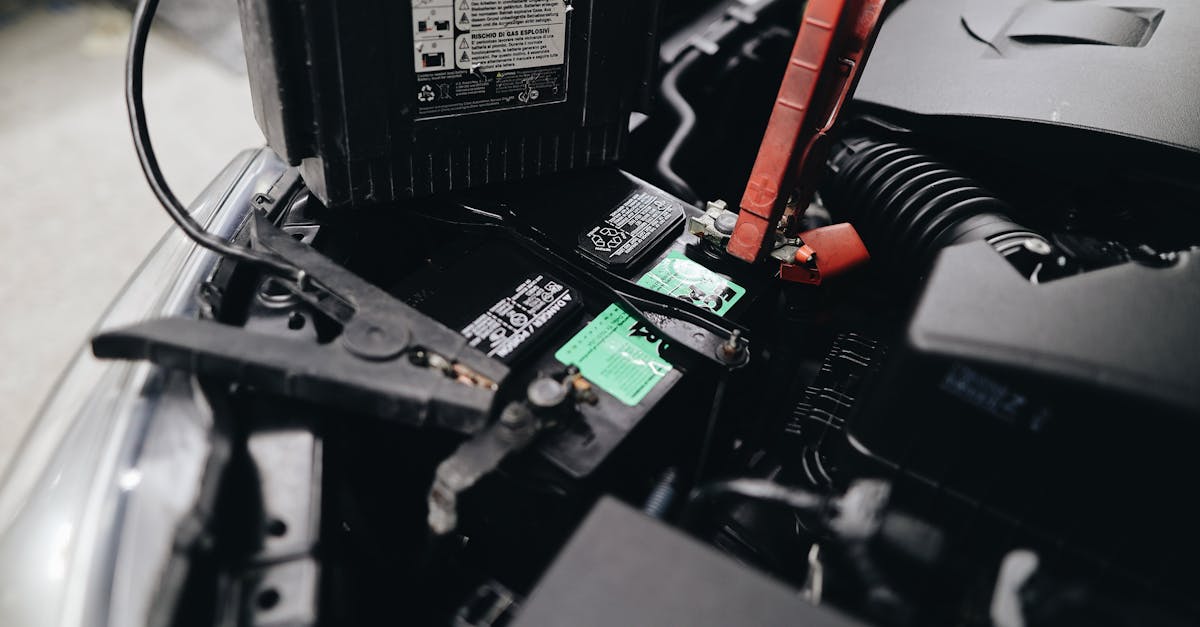
- Land as quickly as safely possible in a clear area
- Do not attempt to catch the drone. Let it land on the ground.
- Evacuate the area. A battery fire can be explosive.
- Do not use water on a lithium fire. Use sand, dirt, or a Class D fire extinguisher.
Precautionary Landing
Sometimes the safest action is to land immediately, not because of an emergency, but to prevent one.
Reasons for a precautionary landing:
- Deteriorating weather (visibility dropping, winds increasing)
- Unexpected aircraft in the area
- Battery running lower than expected
- Equipment malfunction (erratic behavior, sensor warnings)
- Something just feels wrong. Trust your instincts.
The FAA encourages precautionary landings. It’s always better to land early and safe than to continue into deteriorating conditions. “Get-home-itis” is a recognized hazardous attitude.
Emergency Reporting
Report to the FAA within 10 days if the emergency resulted in:
- Serious injury to any person
- Property damage exceeding $500 (not including the drone)
File a NASA ASRS report for any inadvertent regulatory violation that occurred during the emergency.
Quick Check
Q: What is the difference between a flyaway and a loss of link? A: Loss of link means the drone executes pre-programmed failsafe (RTH). A flyaway means the drone is not following any programmed procedure.
Q: What should you do if your drone has a flyaway in controlled airspace? A: Notify ATC immediately.
Q: Should you use water on a lithium battery fire? A: No. Use sand, dirt, or a Class D fire extinguisher.
What’s Next?
Now let’s cover the most important safety topic: Aeronautical Decision Making. How to think like a safe pilot.
This free course covers the essential knowledge, but if you want video walkthroughs, practice exams, and instructor support, Pilot Institute’s Part 107 course is the most comprehensive option available.