Top-Down & Bird's Eye Photos
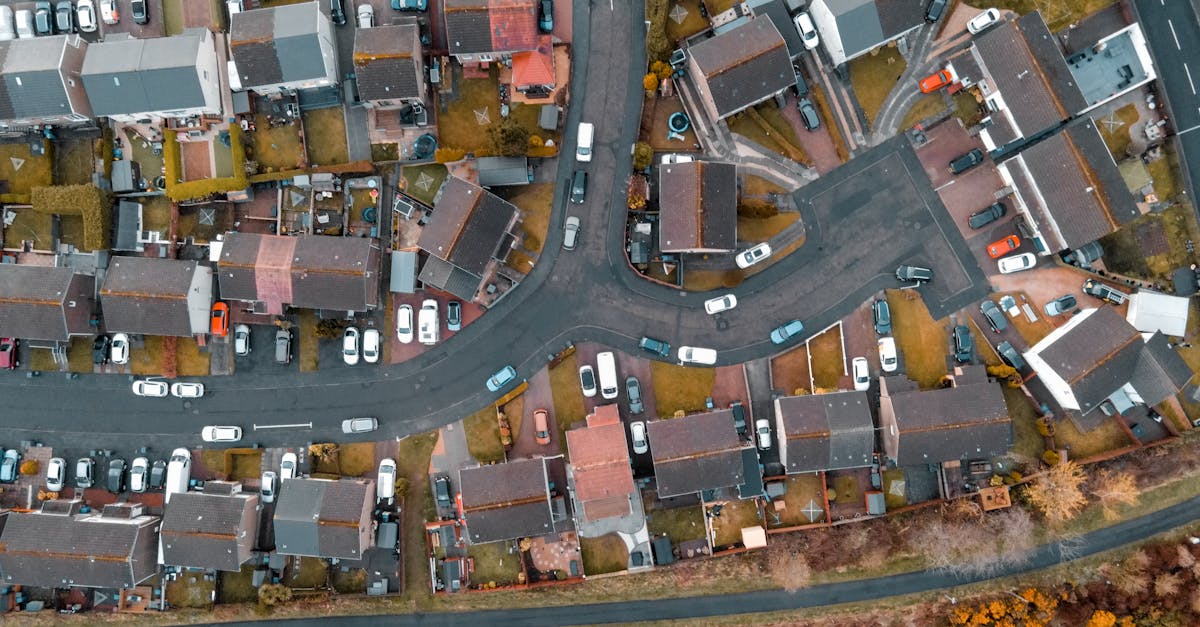
The Signature Aerial Perspective
Top-down (bird’s eye) photography is what makes drone photography unique. No other camera can capture this angle. When done well, it produces abstract, graphic images that look like art.
When done poorly, it produces images that look like Google Earth screenshots. Here’s how to do it well.
What Makes a Great Top-Down Photo
Strong Geometry
Look for circles, lines, grids, and repeating shapes. Agricultural fields, roundabouts, parking lots, harbors, and geometric architecture all produce compelling top-down images.
Color Contrast
Different colored elements create visual interest from above. Blue water against sand. Green crops against brown soil. Red roofs against grey streets.
A Clear Subject
Even from directly above, you need something for the viewer to focus on: a boat on water, a car on a road, a person on a beach. Pure abstract texture without a subject feels random.
No Sky
Top-down photos that don’t show the sky have a much smaller dynamic range to manage. This makes them easier to expose correctly and easier to edit.
Bird’s eye photos share common editing needs: they tend to be under-saturated and hazy (atmospheric perspective), with low contrast. The standard fix: boost contrast, add dehaze, increase vibrance. We’ll cover this in the editing lessons.
Best Subjects for Top-Down
| Subject | Why It Works | Conditions |
|---|---|---|
| Beaches & coastlines | Water color gradients, sand patterns | Midday sun (overhead reveals water color) |
| Agricultural fields | Geometric rows, color blocks | Any time (patterns don’t depend on light angle) |
| Roads & highways | Leading lines, vehicles for scale | Overcast (even lighting) |
| Harbors & marinas | Boat patterns, water reflections | Calm water, morning |
| Forest canopies | Texture, color variation, paths | Autumn (color contrast) |
| Intersections/roundabouts | Circular geometry, traffic patterns | Rush hour for maximum vehicles |
| Sports fields | Perfect geometry, green-on-line contrast | Empty (clean geometry) or during games |
Camera Settings for Top-Down
- Tilt camera to -90 degrees (straight down)
- High shutter speed (1/500+): you’re moving even when hovering, and vibration shows at this angle
- ISO 100: maximum image quality
- Aperture f/8: maximum sharpness across the frame
- Manual white balance: match the conditions
Flying Technique
- Hover directly above your subject: don’t try to fly and shoot simultaneously
- Take multiple shots: slightly adjust position between each
- Vary altitude: the same subject looks completely different at 50 feet vs. 200 feet
- Look for abstract compositions: crop tightly on patterns rather than showing the entire scene
Quick Check
Q: What’s the most common problem with top-down photos? A: Under-saturation and haze. Atmospheric perspective flattens colors and contrast.
Q: What shutter speed should you use for top-down shots? A: 1/500 or faster. Even hovering drones vibrate, and blur shows at the -90 degree camera angle.
Q: What makes a top-down photo more than a satellite screenshot? A: A clear subject, strong geometry, color contrast, and intentional composition.
What’s Next?
Let’s move from straight down to the horizon: landscape photography from the air.
Pilot Institute: capture every angle.