Developing Your Photographer's Eye
Why It Matters
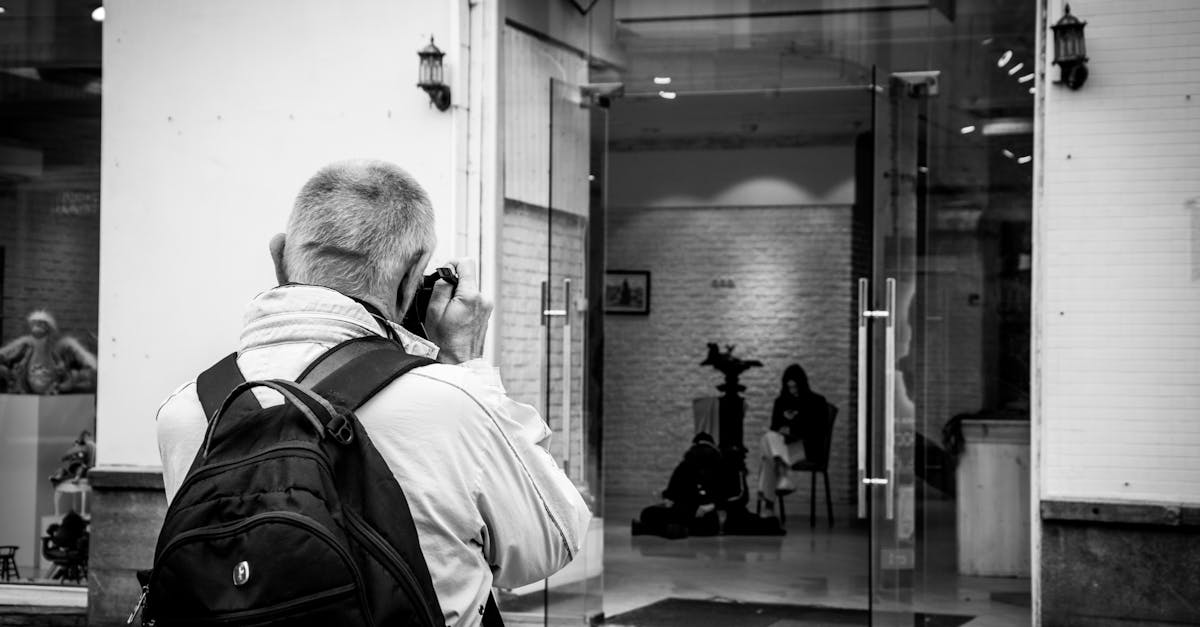
Every lesson in this course taught you a technical skill. This lesson teaches you something different: how to develop a creative vision. Technical skills make a photo sharp and well-exposed. A photographer’s eye makes a photo worth looking at.
The best drone photographers aren’t the ones with the most expensive gear. They’re the ones who’ve trained themselves to see compositions, light, and stories that others miss.
Think of Your Drone as a Versatile Tripod
Before thinking about aerial photography, think about what your drone actually is: a camera on a tripod you can place anywhere. You don’t have to go high. Some of the most compelling drone photos are taken at eye level, in locations where no tripod could reach: two feet above a river, hovering between trees, inches from a cliff face.
When you stop thinking “I need to fly high” and start thinking “where would I place a camera if I could put it anywhere,” your photos change.
Ask: What Story Am I Telling?
Every great photo communicates something. Before you take off, ask yourself:
- What am I trying to show? A specific subject? A pattern? An emotion?
- Why does this look interesting from above? If you can’t answer this, you might be better off with a ground camera.
- What should the viewer feel? Awe? Serenity? Curiosity? Isolation?
A beautiful drone shot that goes on and on with no story is self-indulgent. The viewer gets bored. The best shots have a beginning, middle, and end: a reveal, a subject, a context.
If someone looking at your photo can’t figure out what’s interesting about it in 10 seconds, the composition isn’t working. Strong photos communicate instantly. If you need to explain why a photo is good, it needs more work.
How to Study Other Photographers
Improving your eye requires studying others’ work systematically:
Dissect Photos You Admire
When you see a drone photo that impresses you, don’t just think “nice shot.” Ask:
- Where is the subject placed in the frame?
- Where is the light coming from? How does it fall?
- What’s the composition? (Rule of thirds? Symmetry? Leading lines?)
- What camera settings might have been used?
- What editing choices were made? (Warm? Cool? High contrast? Desaturated?)
- What emotion does it evoke?
Study Film Cinematography
Hollywood cinematographers have been perfecting aerial shots for decades. Drone cinematography courses that analyze professional film shots reveal patterns: slow movements, forward reveals, the use of yaw (rotation) is surprisingly rare. The most cinematic shots are simple (forward, backward, up, down) when executed smoothly.
Create a Mood Board
Collect 20-30 aerial photos that inspire you. Look at them together. Patterns will emerge. You’ll notice you’re drawn to certain types of light, compositions, or subjects. Those patterns are your taste. Lean into them.
Developing a Personal Project
Nothing accelerates growth like a personal project with constraints:
Project Ideas
- “Water from Above”: shoot only water subjects for a month. Oceans, rivers, lakes, puddles. Find the variety within one theme.
- “Top-Down City”: straight-down shots of urban geometry. Parking lots, intersections, rooftop patterns.
- “Agricultural Art”: farm fields as abstract canvases. The colors and patterns change with every season.
- “Coastal Line”: where land meets water, from above. Every coastline is different.
- “Seasons”: photograph the same location in spring, summer, fall, and winter.
Why Projects Work
- They force you to explore one idea deeply instead of shooting randomly
- They give you a reason to go out and fly even when you’re not “inspired”
- They produce a coherent body of work, much more valuable than random individual shots
- They reveal your strengths and weaknesses over time
The Deliberate Practice Loop
Flying a lot doesn’t automatically make you better. Real improvement follows a specific cycle:
- Plan: decide what you want to practice (composition, a specific shot type, golden hour)
- Execute: fly the session with that focus in mind
- Review: look at your photos on a large screen, not your phone. Be critical.
- Identify gaps: what didn’t work? What would you do differently?
- Repeat: go back and address those gaps in the next session
Your First 1,000 Photos Will Be Your Worst
This is true for every photographer, and it’s not a criticism. It takes hundreds of attempts to develop an intuitive sense of composition, light, and timing. The photographers whose work you admire all went through this phase. The only way through it is to shoot, review, and shoot again.
Every few months, go back and look at your earliest drone photos. You’ll cringe at some of them, and that’s how you know you’re improving. If your old work looks as good as your new work, you’re not growing.
Cross-Reference: Keep Learning
- Understand the rules that govern your flying in our Part 107 course
- Monetize your skills with our Drone Business course
- Master real estate shooting in our Real Estate course
- Take your drone on the road with our Travel & Adventure course
Quick Check
Q: How should you think about your drone? A: As a camera on a tripod you can place anywhere, not necessarily an “aerial” camera that needs to go high.
Q: What questions should you ask before every shoot? A: What am I trying to show? Why does it look interesting from above? What should the viewer feel?
Q: Why are personal photography projects valuable? A: They force deep exploration of one theme, produce coherent bodies of work, give you a reason to practice consistently, and reveal your growth over time.
Congratulations
You’ve completed the Drone Photography Masterclass: 15 lessons covering camera settings, light, composition, photo types, HDR and panoramas, Lightroom editing, night photography, water and abstracts, golden hour, black and white, and creative vision.
Your camera is ready. The golden hour is coming. Go shoot.
Pilot Institute: the foundation behind every great aerial photo.