10 Golden Rules for Travel Drone Pilots
The Rules That Travel With You
Regardless of what country you’re in, what drone you’re flying, or what you’re filming, these ten rules apply everywhere.
1. Research Before You Go
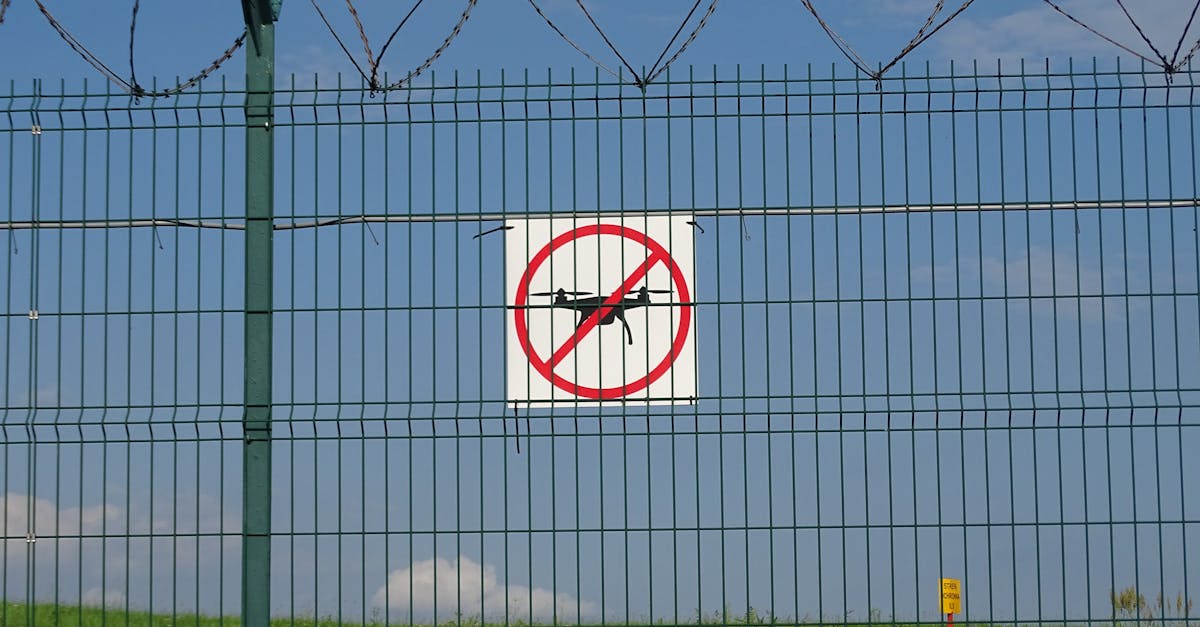
Spend 15 minutes on UAV Coach and the local aviation authority website. Know the laws before you pack. Some countries confiscate drones at the border with no return. Think of it as trip insurance.
2. Always Carry On
Your drone and all batteries go in your carry-on luggage. Checked bags get thrown, compressed, and lost. Lithium batteries can’t go in cargo holds. This is both practical and legal.
3. Protect the Gimbal
Use the gimbal clamp every time you pack your drone. The gimbal is the most expensive and fragile component. A broken gimbal means no camera, which means no footage. The clamp takes 10 seconds to install and saves a $300+ repair.
4. Fly During Golden Hour
The hour after sunrise and the hour before sunset produce footage that’s noticeably better than any other time of day. Plan your travel itinerary around golden hour when possible. The light does more for your footage than any camera setting.
5. Slow Is Cinematic
Fly at 30-40% of maximum speed. Smooth, deliberate movement looks professional. Fast movement looks like a video game. If you think you’re flying slowly enough, slow down a little more.
Avoid the yaw stick (rotation). Professional cinematographers rarely use it. Forward, backward, up, down, and lateral movement tell the story. Rotation is for advanced moves, and even then, used sparingly.
6. Multiple Takes Always
Every important shot gets 2-3 takes. It takes 30 seconds to redo a take. It takes 30 minutes to try to fix a bad take in editing. Shoot extra while you’re there. You can’t come back.
7. Review Before You Leave
After your last battery, sit down and review your footage on a screen. Not your phone, but a tablet or laptop. Problems that are invisible on a 6-inch screen become obvious on a 10-inch screen. Fix them while you’re still on location.
8. Edit to Music
Choose your music track before you start cutting clips. The music determines the rhythm, pace, and emotional tone of the video. Cutting to the beat turns scattered clips into something that flows.
9. Keep It Short
Your travel video should be 2-3 minutes maximum for YouTube, 15-60 seconds for social media. Nobody watches a 10-minute drone video of your vacation. Quality over quantity, always.
10. Put the Drone Away and Enjoy Your Trip
This might be the most important rule. Fly for an hour at each amazing location, capture your footage, then put the drone in your bag. Don’t let it become the entire trip. You’re traveling to experience places, not just to film them. The best travel drone pilots balance aerial content with being there in person.
- Master the regulations in our Part 107 course
- Learn to monetize your footage in our Drone Business course
- Perfect your shooting technique in our Real Estate course — the camera skills transfer directly
Q: What’s the most fragile component that needs protection during travel? A: The gimbal. Always use the gimbal clamp when packed.
Q: What’s the ideal length for a travel drone video? A: 2-3 minutes for YouTube, 15-60 seconds for social media.
Q: What’s the most important golden rule? A: Put the drone away and enjoy your trip. Balance flying with experiencing your travels.
Congratulations
You’ve completed the Travel & Adventure Drone Photography course. You now know how to choose a travel drone, navigate international laws, pack for air travel, plan and shoot cinematic footage, edit it into compelling videos, and share it with the world.
Your next adventure is waiting. Pack your drone, check the laws, and go fly.
Pilot Institute: the skills behind every great drone pilot.