Packing & Flying With Your Drone
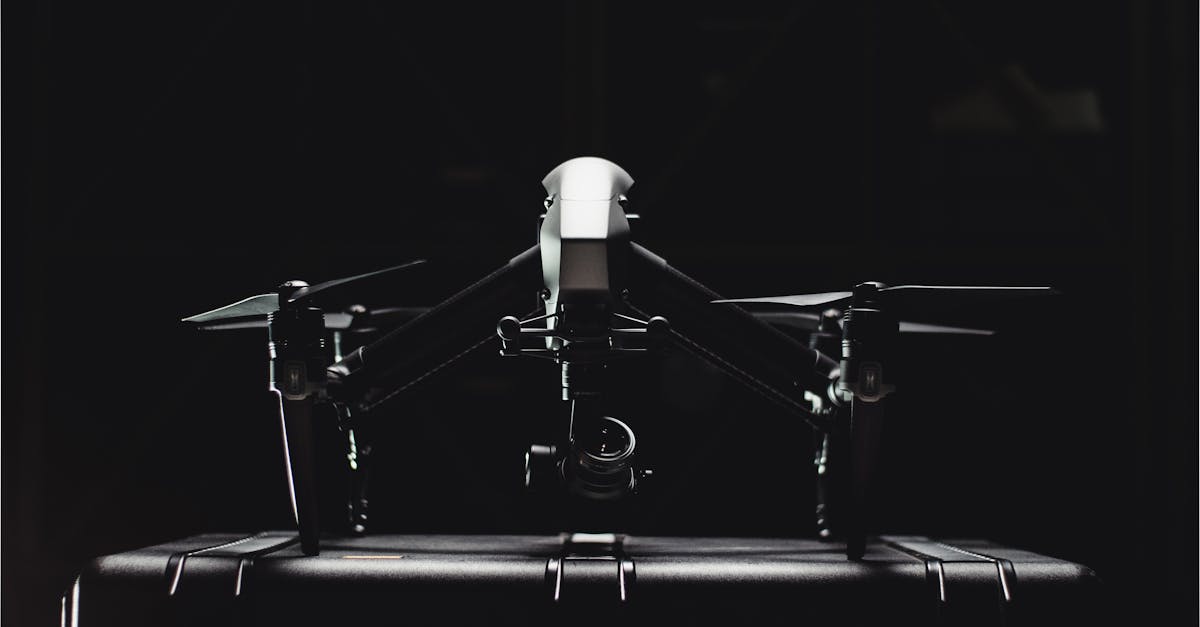
The Airline Reality
Your drone is a lithium-battery-powered electronic device with a fragile gimbal and expensive camera. Airlines have specific rules for all of these. Here’s how to get through security without drama and arrive with a working drone.
The Carry-On Rule
Always carry your drone on the plane. Never check it.
Checked luggage gets thrown, stacked, compressed, and occasionally lost. Your drone is too fragile and too expensive to trust to baggage handlers. The overhead bin is fine. Just pack it in a padded case.
This isn’t just about protecting your investment. Lithium batteries are prohibited in checked luggage on most airlines because of fire risk. The cargo hold is unsupervised. If a battery goes into thermal runaway, nobody can respond. In the cabin, a battery fire can be dealt with immediately.
Battery Rules (Non-Negotiable)
TSA / FAA Guidelines
- Batteries under 100Wh: unlimited carry-on (most drone batteries are 30-70Wh)
- Batteries 100-160Wh: up to 2 spare batteries with airline approval
- No batteries in checked luggage: ever
- Terminals must be protected from short circuit (tape over contacts or use individual bags)
How to Pack Batteries
- Charge to 20-30%: fully charged batteries are a higher fire risk; dead batteries can’t prove they work at customs
- Put in LiPo safe bags: cheap fireproof bags ($10-15) that contain a fire if one occurs
- Tape terminal contacts: or keep each battery in its own plastic bag to prevent short circuits
- Keep batteries separate from metal objects: no keys, coins, or tools near battery terminals
If you remember nothing else: lithium batteries go in your carry-on. Always. No exceptions. Airlines have confiscated drones from checked luggage and fined passengers. It’s not worth the risk to your drone or your wallet.
Through Airport Security
What to Expect
TSA agents see drones regularly. Most will ask you to remove it from your bag and place it in a bin, similar to a laptop. The batteries may get extra screening.
How to Speed Things Up
- Pack your drone on top of your carry-on for easy access
- Keep batteries in clearly visible LiPo bags
- Remove propellers before packing (they look suspicious on X-ray and can scratch people)
- Don’t argue with TSA. Answer questions, let them inspect, move on.
International Security
Some countries’ security agencies are less familiar with drones. Be patient, explain what it is, and have your registration documentation ready.
Protecting Your Gimbal
The gimbal is the most fragile part of your drone. It has delicate motors and optical elements that don’t survive rough handling.
- Always use the gimbal clamp/cover when packed. This locks the camera in place and prevents it from flopping around.
- Don’t throw away the gimbal clamp that came with your drone. It’s essential for travel.

- If you lost the original, buy a replacement or 3D-print one. Flying without gimbal protection during travel is asking for a broken camera.
Some ND filters prevent the gimbal cover from fitting. Either remove filters before packing, or invest in filters that are compatible with your gimbal cover (like NiSi). A scratched lens ruins every shot; a missing ND filter just means you shoot at a different shutter speed.
The Complete Travel Packing List
| Item | Carry-On or Checked | Notes |
|---|---|---|
| Drone | Carry-on | In padded case with gimbal clamp on |
| Batteries (all) | Carry-on | In LiPo bags, 20-30% charge |
| Controller | Carry-on | Batteries count toward limits |
| SD cards | Carry-on | In a case, not loose |
| Propellers (spare) | Either | Remove from drone before packing |
| ND filters | Carry-on | Attached to drone or in a filter case |
| Charging hub | Either | No battery inside = safe to check |
| LiPo safe bag | Carry-on | For storing batteries on the go |
| Lens cleaning kit | Carry-on | Microfiber cloth + blower |
| Power bank | Carry-on | For charging controller/phone in the field |
Quick Check
Q: Should you check your drone in luggage? A: Never. Always carry-on. Fragile equipment + lithium batteries means it stays with you.
Q: What charge level should batteries be at for air travel? A: 20-30%. Enough to power on for customs, low enough to minimize fire risk.
Q: What’s the most fragile part to protect during travel? A: The gimbal. Always use the gimbal clamp/cover when packed.
What’s Next?
You’ve landed with your drone intact. Now let’s plan the shots that make the trip worth filming.
Pilot Institute: learn to fly and travel with confidence.