Night & Twilight Travel Shots
Why It Matters
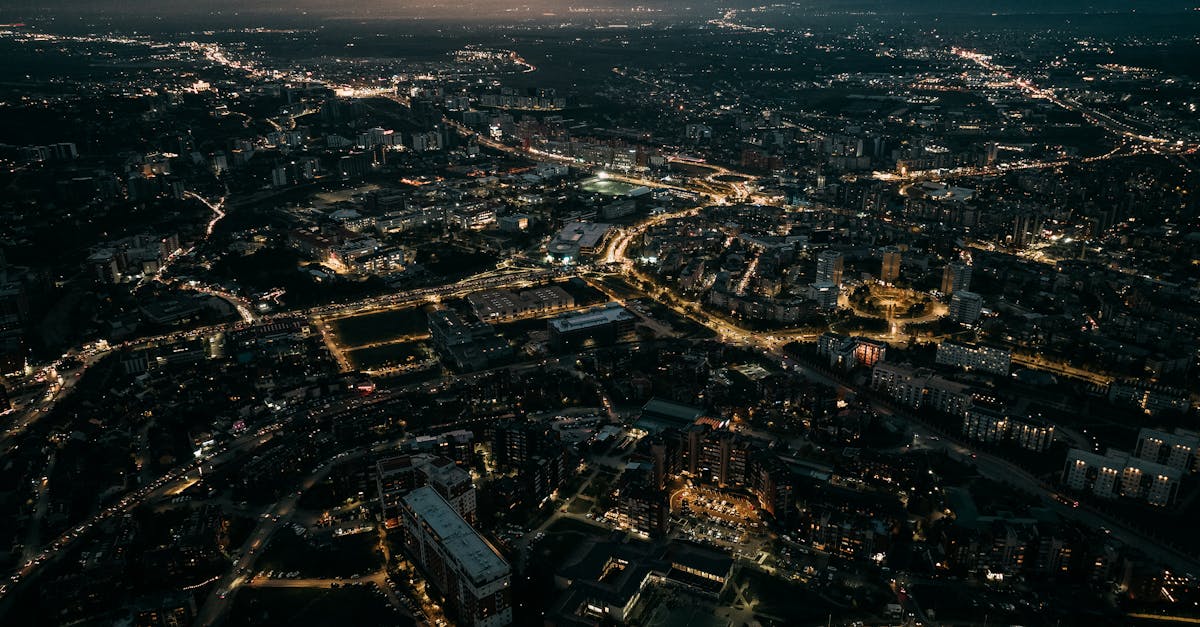
Cities look their best at twilight. The combination of deep blue sky, artificial lights, and illuminated landmarks creates scenes impossible to capture any other way. For travel drone pilots, night footage is often the most valuable and most shareable content from a trip.
But flying at night while traveling introduces compounding challenges: unfamiliar terrain, local night-flying laws, and the risk of losing your drone in a place where you can’t easily replace it.
Legal Considerations for Travelers
Night drone regulations vary wildly by country:
| Region | Night Flying Rules |
|---|---|
| United States (Part 107) | Allowed with anti-collision lights visible for 3 statute miles |
| European Union | Varies by country. Many prohibit night flying entirely. |
| United Kingdom | Requires specific permissions; recreational night flying often prohibited |
| Australia | Must maintain visual line of sight; CASA restricts night operations |
| Many Asian countries | Often prohibited; check with local aviation authority |
Night drone laws change frequently. Check the local aviation authority’s website before every trip. Flying illegally in a foreign country can result in drone confiscation, fines, and legal trouble with no local support. The rules you follow at home do not apply abroad.
The Blue Hour Window
Blue hour is the 20-30 minutes after sunset (or before sunrise) when the sky turns a deep, rich blue. For travel drone footage, blue hour is more valuable than full darkness:
- The sky still has visible color, not just black
- Landmarks and buildings are illuminated
- There’s enough ambient light for your drone’s sensors
- Street and city lights create patterns visible from above
Timing for Travelers
Use a sun position app (PhotoPills, Sun Surveyor) to get exact blue hour times for your specific location. Blue hour duration varies by latitude: shorter near the equator, longer at higher latitudes.
Best Night Subjects While Traveling
City Skylines
Fly from a vantage point (hill, bridge, waterfront) and capture the cityscape at blue hour. The combination of blue sky, building lights, and water reflections is the quintessential drone travel shot.
Illuminated Landmarks
Temples, churches, monuments, and government buildings are often beautifully lit at night. Scout these during the day to plan your flight path and identify safe takeoff spots.
Bridges and Waterfronts
Lit bridges spanning dark water create dramatic compositions. The reflections double the visual impact.
Markets and Street Life
From 100-200 feet, the lights of night markets, restaurant districts, and entertainment areas create colorful, energetic patterns.
Never attempt a first flight at an unfamiliar location in the dark. Scout during the day: identify takeoff spots, map obstacles (power lines, trees, cranes), plan your flight path, and mark your return-to-home point. Then return at blue hour to execute.
Camera Settings for Travel Night Footage
| Setting | Recommended Value | Why |
|---|---|---|
| ISO | 200-800 | Higher than daytime, but keep as low as your scene allows |
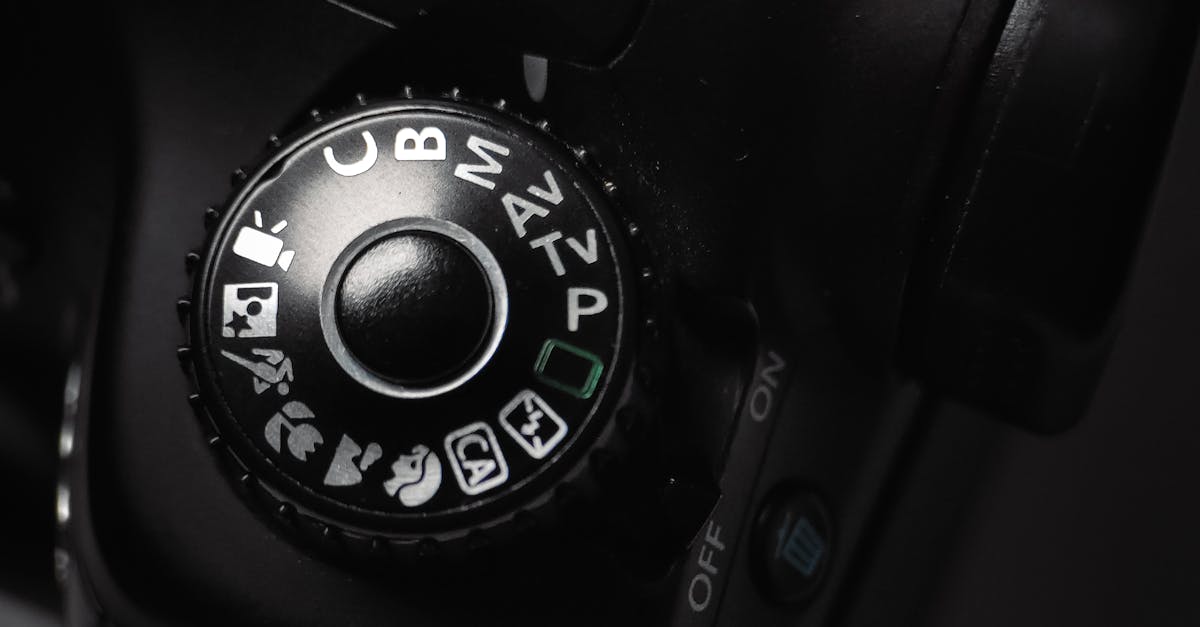
| Shutter Speed | 1/30-1/60s | Slower than daytime; requires calm conditions | | Aperture | f/2.8 (wide open) | Maximum light gathering | | White Balance | Manual 4000-5000K | Prevents orange/blue shifts from mixed lighting | | Format | RAW | Maximum editing flexibility for noise and color |
Dealing With Noise
Travel drone shots at night will have noise. Accept it and manage it:
- Shoot multiple takes and choose the cleanest
- Use noise reduction in post (Lightroom Luminance 30-50, or dedicated tools)
- Expose slightly bright and darken in post. Noisy shadows are worse than slightly bright highlights.
Safety at Night in Unfamiliar Places
Night flying while traveling adds risk layers:
- Obstacles are invisible: power lines, trees, and buildings you can’t see
- Losing orientation: it’s harder to tell which direction your drone is facing
- Landing is harder: finding your landing spot in the dark is difficult with just the drone’s lights
- People and attention: drone lights attract attention, sometimes unwanted
Night Safety Checklist
- Pre-flight scout completed during daylight
- Return-to-home altitude set above all obstacles
- Anti-collision lights working and visible
- Landing zone marked with a light or reflective marker
- Fully charged batteries (cold nights drain them faster)
- Visual observer with you (required by Part 107 and good practice everywhere)
- Emergency plan if you lose the drone: where will it land?
Quick Check
Q: Why is blue hour better than full darkness for drone footage? A: The sky still has blue color and detail, landmarks are illuminated, and there’s enough ambient light for the drone’s sensors to function, while still capturing the drama of city lights.
Q: What should you always do before a night shoot at a travel destination? A: Scout the location during daylight: identify takeoff spots, map obstacles, plan flight paths, and mark the return-to-home point.
Q: Why do drone batteries drain faster at night? A: Lower temperatures reduce battery efficiency. The drone’s lights and sensors also consume additional power.
What’s Next?
Night shooting covered. Let’s talk about the realities of traveling with a drone: the etiquette, the problems, and how to handle them.
Pilot Institute: capture cities at their finest hour.