Choosing a Travel Drone
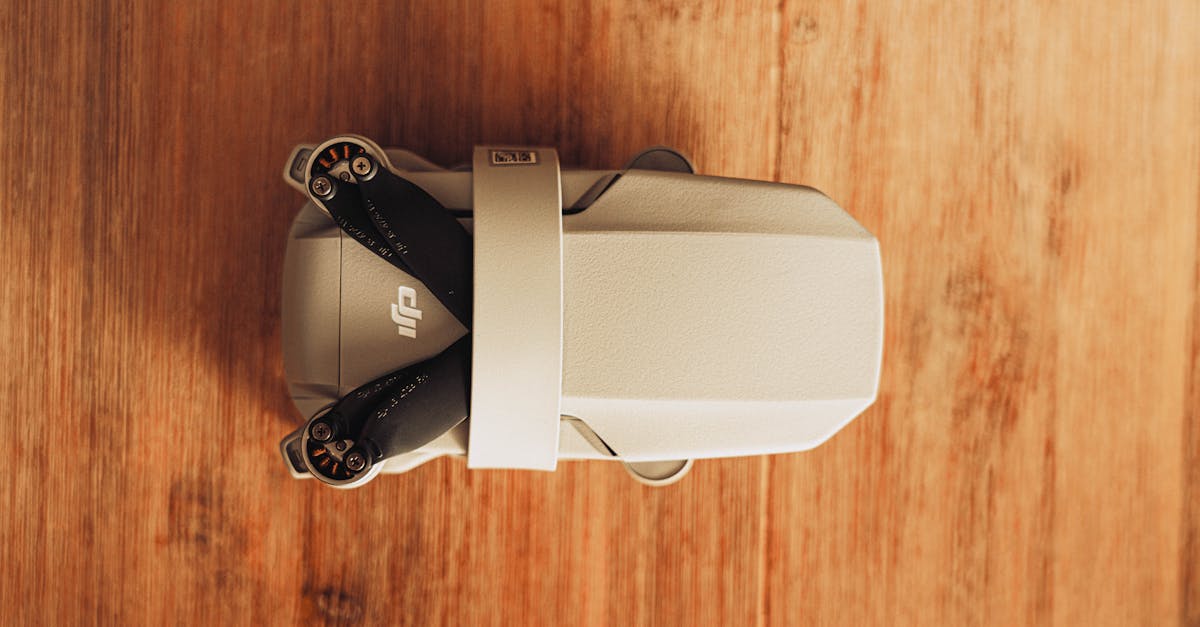
Portability Is King
For travel, the best drone is the one you actually bring. A Mavic 3 Pro shoots incredible footage, but if it’s too bulky for your travel style, it stays home. The drone you carry will always produce more footage than the one left behind.
The Travel Drone Sweet Spot
Look for drones that meet all three criteria:
- Folds small enough for a backpack: under 250g is ideal (avoids some registration requirements)
- Shoots 4K video with a stabilized camera: anything less looks dated
- Batteries under 100Wh: the TSA limit for unlimited carry-on batteries
Top Travel Drones (2026)
| Drone | Weight | 4K Video | Flight Time | Best For |
|---|---|---|---|---|
| DJI Mini 4 Pro | 249g | Yes | 34 min | Best overall travel drone |
| DJI Air 3S | 725g | Yes (dual cam) | 45 min | Pro-quality, still portable |
| DJI Mini 3 | 249g | Yes | 38 min | Budget-friendly travel |
| DJI Neo | 135g | Yes | 18 min | Ultra-compact, palm launches |
Drones under 250 grams (like the Mini series) qualify for relaxed regulations in many countries. In the US, they don’t require Part 107 registration for recreational use. Some countries have similar exemptions. Always check local laws, but the under-250g category gives you more flexibility.
What Makes a Good Travel Drone
Size and Weight
You’ll be carrying this drone on hikes, through airports, and in crowded tourist areas. Every ounce matters. A sub-250g drone that fits in a jacket pocket is worth more than a heavier drone with slightly better specs.
Battery Life
Longer flight time means fewer batteries to carry. 30+ minutes per charge is the current standard. Carry 3 batteries minimum for a full shooting session.
Obstacle Avoidance
Travel often means unfamiliar terrain: cliffs, trees, buildings. Good obstacle avoidance sensors prevent costly crashes in places where you can’t just order a replacement drone.
Camera Quality
4K video with good stabilization is the baseline. Raw photo capability is a bonus. Don’t obsess over megapixels. Composition and light matter more.
What You Don’t Need
- Interchangeable lenses: too bulky for travel
- 8K video: overkill, massive file sizes, storage becomes an issue
- FPV capability: fun but not essential for travel photography
- Thermal camera: useful for inspections, irrelevant for travel
Budget Considerations
| Budget | Recommendation |
|---|---|
| Under $500 | DJI Mini 3: excellent value, shoots 4K, under 250g |
| $500-$900 | DJI Mini 4 Pro: best all-around travel drone |
| $900-$1,300 | DJI Air 3S: dual cameras, longer flight time, more features |
If you own a Mavic Air 3, Mavic 3, or similar, it works fine for travel. It’s just bigger and heavier. Don’t buy a second drone unless you’re frustrated by your current one’s size. Use what you have.
Quick Check
Q: What’s the TSA battery limit for unlimited carry-on? A: Under 100 watt-hours (Wh). Most consumer drone batteries are well under this.
Q: Why is sub-250g advantageous for travel? A: Many countries have relaxed regulations for drones under 250g, and in the US they don’t require registration for recreational use.
Q: What matters more for travel: camera specs or portability? A: Portability. The drone you actually bring always beats the one that stays home because it’s too heavy.
What’s Next?
You have your drone. Now let’s make sure you don’t get it confiscated at customs. International drone laws vary wildly.
Pilot Institute helps you master any drone, anywhere.