Composition & Movement
Why Most Travel Drone Footage Is Boring
Most people fly their drone up, look around, and hit record. The result is footage that looks like a security camera on a stick. It’s technically aerial, but completely uninspiring.
Cinematic footage comes from two things: what you point the camera at (composition) and how you move through the scene (movement).
Composition Fundamentals
Look for Patterns and Symmetry
Straight lines, natural symmetry, repeating patterns: roads, rivers, coastlines, rows of trees. A perfectly centered pull-back shot along a winding road looks dramatically better than a random angle over the same road.
Varied Colors and Complex Scenery
An empty field is boring from any angle. A mountainside lake with varied terrain, color contrast, and multiple elements is far more interesting to watch. Choose locations with visual complexity.
Use the Rule of Thirds
Even from the air, placing your subject at a third of the frame (not dead center) creates more dynamic compositions. Most drone apps show a grid overlay. Use it.
Include a Subject
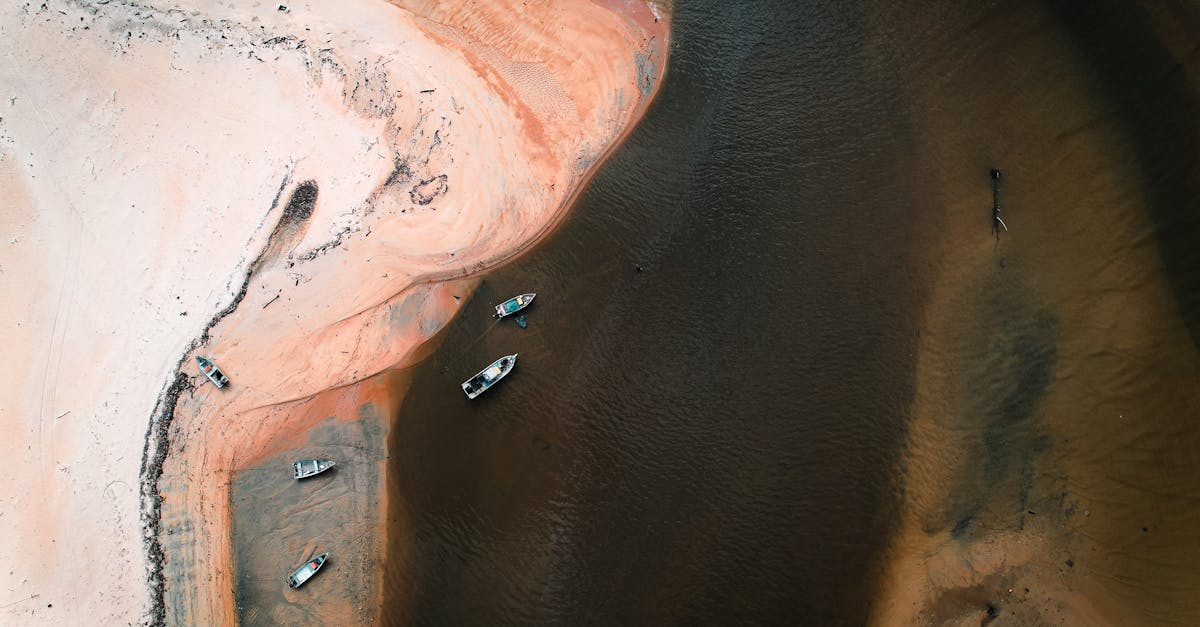
Wide landscape shots are beautiful, but they need a subject (a boat, a person, a road, a building) to give the viewer something to focus on. Endless landscape with no focal point feels aimless.
Watch aerial footage you admire and dissect what makes it work. Where is the subject? How fast is the drone moving? What’s the light like? Developing your eye is more valuable than any camera setting.
Movement: Slow Is Cinematic
The single most important rule: fly slowly and smoothly. Fast footage looks like a theme park ride. Slow footage looks like a movie.
The Yaw Problem
The yaw stick (left/right rotation) ruins more drone footage than anything else. Rapid yaw movements look jerky and mark the footage as amateur. Most professional drone shots use zero yaw. They rely on forward, backward, lateral, and vertical movement only.
For beginners and intermediates: avoid the yaw stick entirely. Tell your story with forward, backward, up, down, and lateral movement. Yaw is an advanced tool, and even professionals use it sparingly.
The Essential Travel Drone Shots
1. The Slow Reveal
Start behind an obstacle (treeline, ridge, building) and fly forward until the landscape comes into view. The reveal creates anticipation and a “wow” moment.
2. The Pull-Back
Start close to your subject and fly backward slowly, gradually revealing the surroundings. This shows scale. Think of the tiny boat in the massive bay, or the house on the vast hillside.
3. The Orbit
Circle your subject slowly at a constant distance and altitude. The viewer sees the subject from every angle without any jarring cuts. An orbit should take 20-30 seconds for a full rotation.
4. The Top-Down
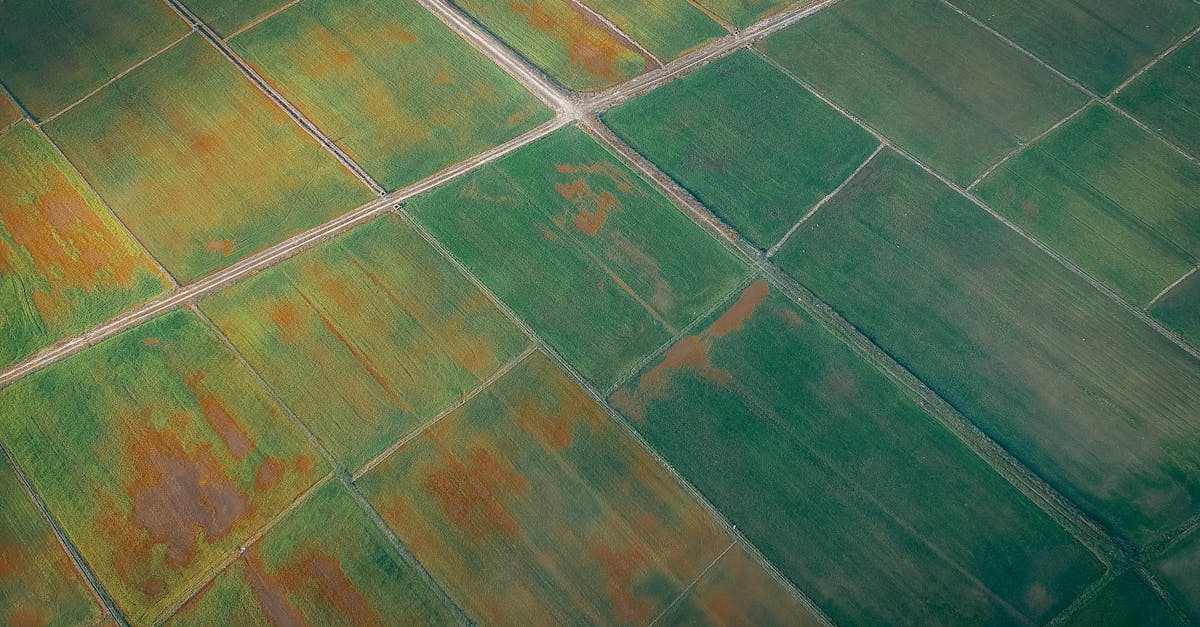
Tilt the camera straight down and fly slowly over interesting terrain. This works especially well for coastlines, rivers, forests, and geometric patterns in the landscape.
5. The Tracking Shot
Fly alongside a moving subject: a car on a coastal road, a boat in a harbor, a person hiking a trail. The subject provides motion and narrative while the landscape provides context.
6. The Rise
Start low, facing the subject, and slowly rise while keeping the camera fixed. The landscape gradually unfolds, creating a sense of discovery.
Using Intelligent Flight Modes
Most modern drones have automated modes that help with cinematic movement:
- ActiveTrack: locks onto and follows a moving subject. Useful but can lose tracking. Always be ready to take manual control.
- Hyperlight/Tripod Mode: limits speed and smooths movement. Excellent for beginners shooting cinematic footage.
- Waypoints: program a flight path in advance. Great for repeating the same shot at different times of day.
Automated modes are helpful, but learning manual control gives you more creative freedom. Use intelligent modes as training wheels, then transition to manual flying for shots you can’t get any other way.
Quick Check
Q: What’s the #1 rule for cinematic drone movement? A: Fly slowly and smoothly. Speed is the enemy of cinematic footage.
Q: Why should beginners avoid the yaw stick? A: Rapid yaw looks jerky and amateur. Most professional shots use only forward, backward, lateral, and vertical movement.
Q: What compositional element should every landscape shot include? A: A subject, something for the viewer to focus on. Endless landscape with no focal point feels aimless.
What’s Next?
You’re capturing beautiful footage. Now let’s make sure it stays beautiful through the edit.
Pilot Institute: from basic flight to cinematic mastery.