What Is a Drone?
Why Drones Matter
Ten years ago, getting an aerial photo meant renting a helicopter. Today, a device that fits in a jacket pocket can capture the same shot. Drones have changed photography, filmmaking, real estate, agriculture, surveying, search and rescue, and package delivery. They are also a lot of fun to fly.
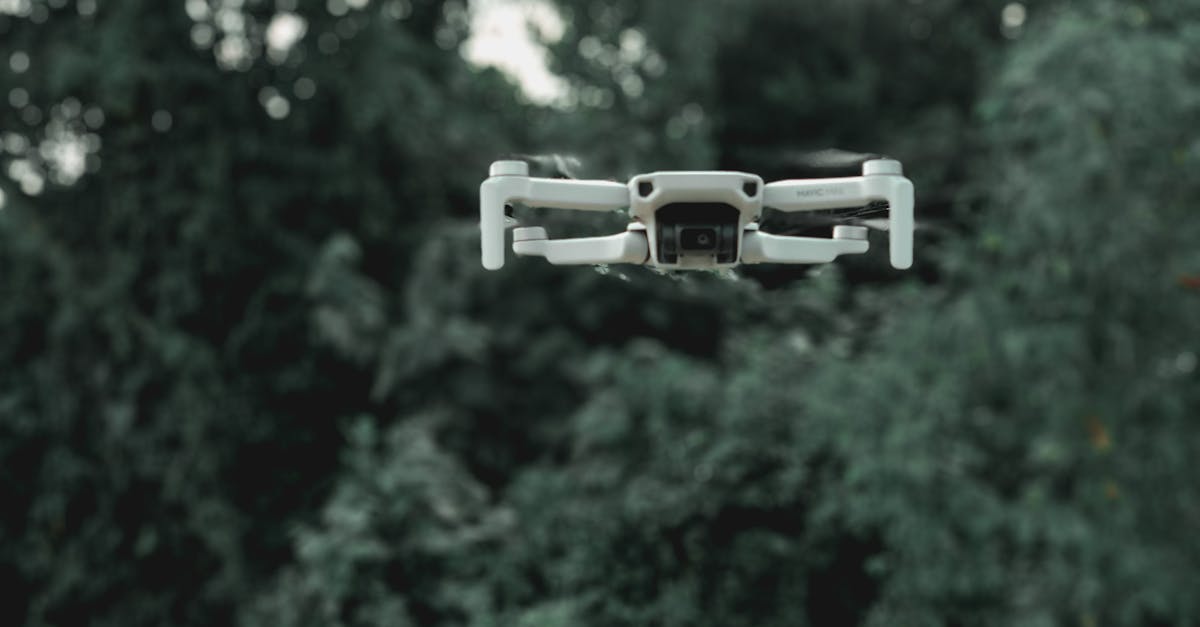
A drone (also called a UAV, or unmanned aerial vehicle) is any aircraft flown without a pilot on board. Most consumer drones are multirotors with four propellers, commonly known as quadcopters. The propellers spin to generate lift, and a flight controller adjusts their speeds hundreds of times per second to keep the drone stable and steer it through the air.
An RC helicopter or toy quadcopter is fun, but it lacks the sensors and software that make a modern drone easy to fly. GPS stabilization, automatic return-to-home, obstacle avoidance, and camera gimbals are what separate a drone from a remote-control toy.
Drones come in several categories, each built for a different purpose.
Toy drones are small, affordable, and designed for indoor flying or casual fun. They usually lack GPS and cameras, but they are a low-risk way to practice basic stick control. The Ryze Tello is a popular example.
Camera drones are the most common type for hobbyists and professionals. They carry a stabilized camera on a gimbal, use GPS to hold position, and offer intelligent flight modes like follow-me and orbit. The DJI Mini series dominates this category.
Racing drones (FPV) are built for speed and agility. Pilots wear goggles that show a live video feed from the drone’s perspective, creating an immersive first-person view. These are harder to fly and usually built from individual components.
Fixed-wing drones look like small airplanes. They cannot hover in place but can cover much larger distances and stay airborne longer on a single battery. They are used primarily for mapping and surveying.
Heavy-lift drones carry professional cinema cameras or specialized sensors like thermal imagers and LiDAR scanners. These are expensive tools used in film production, industrial inspection, and public safety.
How a Drone Stays in the Air
A quadcopter has four motors, each spinning a propeller. Two spin clockwise and two spin counter-clockwise. The flight controller (a small computer on board) adjusts each motor’s speed independently:
- Throttle — All four motors speed up to climb, slow down to descend
- Pitch — The back motors speed up to tilt forward and fly forward, and vice versa
- Roll — The left motors speed up to tilt right and fly sideways
- Yaw — Diagonal pairs spin at different rates to rotate the drone on its axis
The flight controller reads data from an IMU (inertial measurement unit), a compass, a barometer, and GPS to make these adjustments automatically. This is why a GPS camera drone practically hovers in place on its own while you figure out the controls.
What Can You Do with a Drone?
- Photography and video — Aerial landscapes, real estate, weddings, travel films
- Mapping and surveying — Creating 3D models, measuring land, tracking construction progress
- Inspection — Roofs, cell towers, power lines, wind turbines
- Search and rescue — Covering large areas quickly with thermal cameras
- Agriculture — Crop health monitoring, precision spraying
- Racing and freestyle — Competitive FPV flying and acrobatic maneuvers
Quick Check
Q: What does a quadcopter use to stay stable in the air? A: A flight controller that adjusts the speed of each motor hundreds of times per second, using data from GPS, an IMU, a compass, and a barometer.
Q: What is the main difference between a toy drone and a camera drone? A: Camera drones have GPS stabilization, a gimbal-mounted camera, and intelligent flight modes. Toy drones lack these features.
Q: Can a drone hover in place by itself? A: Yes. GPS camera drones can automatically hold their position and altitude without any stick input from the pilot.
What’s Next?
Now that you know what drones are and what they can do, let’s figure out which one is right for you.
If you want a guided video course with hands-on flight instruction, Pilot Institute’s beginner courses are a great next step after this free guide.