Choosing Your First Drone
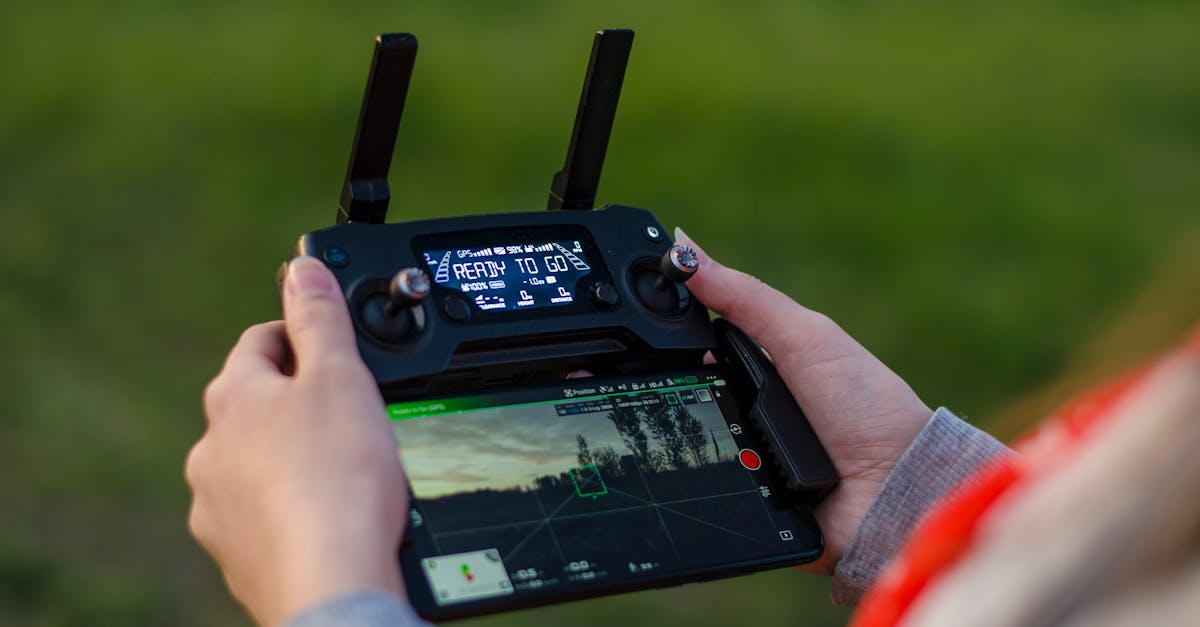
The Only Rule: Buy for Your Purpose
There is no single best drone. The right one depends on what you plan to do with it and how much you want to spend. A traveler who needs something pocket-sized has different needs than someone who wants to shoot professional real estate video.
Before looking at specific models, answer these questions:
- Do you want to take photos and videos, or just fly for fun?
- Will you carry it hiking or traveling, or mostly fly from one spot?
- What is your budget, including batteries and accessories?
Your answers narrow the field fast.
Budget Tiers (2026)
Under $100: Practice Drones
If you have never flown anything before, a small indoor practice drone is a smart first purchase. These are lightweight, crash-resistant, and cheap enough that destroying one is not a crisis. They teach you the muscle memory of Mode 2 stick control without risking a real camera drone.
Look for propeller guards and a durable frame. Expect no GPS, no camera worth using, and short flight times (5 to 8 minutes). This is a training tool, not your forever drone.
$300 to $500: Entry-Level Camera Drones
This is where real drone flying begins. You get GPS stabilization, a decent camera (2.7K or 4K), automatic return-to-home, and intelligent flight modes. The DJI Mini series (Mini 3, Mini 4 Pro) has been the dominant choice in this range for years because it folds small, flies reliably, and shoots footage that looks good with minimal effort.
Key things to check at this price point:
- Weight under 250 grams — In many countries (including the US for recreational flight), drones under 250g have fewer registration requirements
- GPS and return-to-home — Non-negotiable for a first camera drone
- Gimbal stabilization — 3-axis is standard; avoid 1-axis or electronic-only stabilization
- Flight time — Look for at least 25 minutes per battery
One battery is never enough. Most pilots carry three to five. Flight time ratings are optimistic; real-world use with wind and filming drops them 15 to 20 percent. Buy the “Fly More Combo” if one is available for your drone. It includes extra batteries, a charging hub, and often a carrying bag for less than buying everything separately.
$600 to $1,200: Mid-Range Camera Drones
Drones in this range offer better sensors (1-inch or larger), improved wind resistance, longer range, and more manual camera controls. They shoot cleaner footage in lower light and handle breezy conditions better than the ultralight models. The DJI Air series and Autel EVO Lite are common picks here.
This is the sweet spot if you are serious about photography or videography but not ready to spend professional money.
$1,500 and Up: Professional Drones
At this level, you are paying for larger sensors, interchangeable lenses, and professional codec options. The DJI Mavic 3 series produces images that can compete with dedicated cameras. These drones are overkill for a beginner but worth every penny for working professionals.
What to Avoid
- Drones without GPS — Without GPS, there is no automatic return-to-home, no position hold, and no geofencing to keep you out of restricted airspace. You will work harder to fly and have fewer safety nets.
- Knockoff brands with suspicious listings — If a listing promises 4K camera, 40-minute flight time, and GPS for $89, it is lying about at least two of those things. Stick to established brands (DJI, Autel, Skydio).
- Used drones from unknown sellers — Drones that have been crashed may have damaged sensors, weakened arms, or compromised batteries. Buy from reputable used markets with return policies, or buy new.
- The most expensive drone as your first — Your first drone will get scratched, bumped, and possibly crashed. Start with something you can afford to replace.
Our Recommendation for Most Beginners
If you just want a reliable answer: the DJI Mini 4 Pro (or whichever Mini is current when you read this). It is under 250 grams, shoots 4K video, has obstacle avoidance, fits in a jacket pocket, and costs around $400 to $500. It is the drone most flight instructors recommend to new pilots because it is hard to mess up.
If your budget is tighter, a practice drone under $100 plus saving for a camera drone later is a better plan than buying a cheap camera drone that will disappoint you.
Quick Check
Q: Why does the 250-gram weight class matter? A: In many countries, drones under 250g face fewer registration and regulatory requirements for recreational flying.
Q: What is the minimum feature set a first camera drone should have? A: GPS stabilization, return-to-home, a 3-axis gimbal, and at least 25 minutes of flight time per battery.
Q: Should your first drone be the most expensive one you can afford? A: No. Your first drone will take some abuse while you learn. Buy something reliable but replaceable.
What’s Next?
Once you have your drone picked out, let’s talk about what comes in the box and how to get it ready to fly.
For video walkthroughs of specific drone models and detailed comparisons, check out Pilot Institute’s drone courses.