Basic Flying Exercises
Why Practice Matters
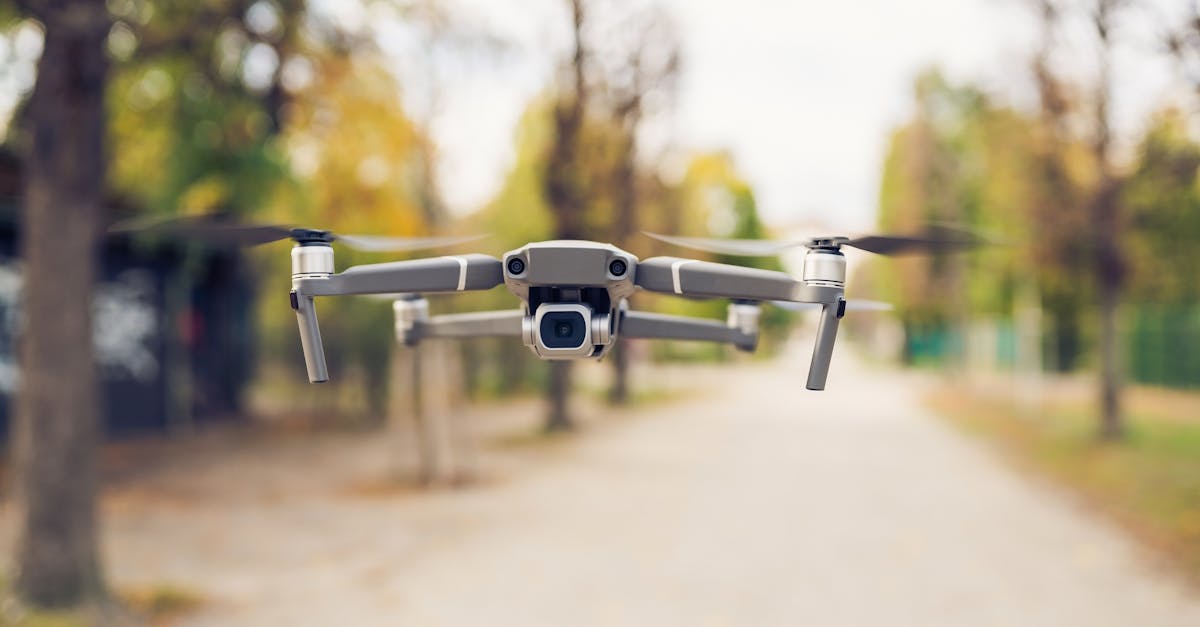
Watching someone fly a drone smoothly makes it look easy. It is not. Smooth, controlled flying comes from repetition. Your brain needs time to connect what your thumbs do with what the drone does in the air.
These exercises are based on a progressive training approach used by flight instructors. Start with the first one and do not move on until it feels comfortable. Each exercise builds on the one before it.
Do these in a wide-open area with no obstacles within 30 meters. Keep Beginner Mode on.
Exercise 1: The Hover Test
Goal: Hold the drone perfectly still in one spot for 30 seconds.
- Take off to 3 meters.
- Let go of both sticks. Let GPS hold the position.
- Use tiny corrections with the right stick to keep the drone centered over your landing pad.
- Hold for 30 seconds.
This teaches you that small inputs are better than large ones. Most beginners overcorrect: the drone drifts left, they push too far right, it overshoots, they push left again, and it oscillates. Gentle nudges fix drift without creating new problems.
Exercise 2: The Square
Goal: Fly a square pattern using one stick at a time.
- Hover at 3 meters, camera facing away from you.
- Push the right stick forward gently. Fly forward about 10 meters. Let go. Hover.
- Yaw right 90 degrees (left stick). Hover.
- Fly forward 10 meters. Hover.
- Yaw right 90 degrees. Hover.
- Fly forward 10 meters. Hover.
- Yaw right 90 degrees. Hover.
- Fly forward 10 meters. You should be back near your starting point.
Do the square clockwise, then counterclockwise. Focus on making each side the same length and each yaw exactly 90 degrees. This is harder than it sounds.
During these exercises, alternate between looking at your screen and looking directly at the drone. Your screen shows the camera view and telemetry, but your eyes give you spatial awareness. New pilots tend to stare at the screen and lose track of where the drone actually is.
Exercise 3: The Circle
Goal: Fly a smooth circle around a point.
- Hover at 3 meters over your landing pad.
- Slowly push the right stick forward and gradually yaw left at the same time.
- Combine forward movement and yaw to trace a circle around your landing pad.
- The drone’s nose should always point in the direction it is moving.
- Try to keep the circle the same size the whole way around.
This is the first exercise where you use both sticks simultaneously. It teaches coordinated control. Start with large, slow circles and gradually make them tighter as you improve.
Exercise 4: Figure Eight
Goal: Fly a figure-eight pattern, combining circles in both directions.
- Fly a circle to the left (as in Exercise 3).
- When you complete the first circle, transition into a circle going the other direction.
- The crossover point should be roughly in the same spot each time.
- Keep your altitude constant throughout.
Figure eights are the gold standard beginner exercise. They require you to switch between left and right yaw, maintain consistent altitude, and control your speed. If you can fly clean figure eights, you can fly.
Exercise 5: Altitude Changes
Goal: Climb and descend while maintaining horizontal position.
- Hover at 3 meters.
- Climb to 20 meters. Stop. Hover.
- Descend back to 3 meters. Stop. Hover.
- Repeat, focusing on stopping exactly at your target altitude without overshooting.
This seems simple but many beginners drop the throttle too fast and the drone descends rapidly, then they overcorrect and it climbs again. Smooth, controlled altitude changes are essential for safe landing.
How to Practice
- One exercise per battery is a good pace for your first few sessions.
- Fly at least three batteries per session (roughly 75 to 90 minutes of practice).
- Repeat each exercise until it feels boring, then move to the next one.
- Practice on calm days at first. Wind makes everything harder.
- End each session with something fun — fly around freely, try a new angle, enjoy yourself.
Quick Check
Q: What is the most common beginner mistake with stick inputs? A: Overcorrecting. Most beginners push the stick too far and create oscillation instead of making small, gentle corrections.
Q: What does the figure-eight exercise teach? A: Coordinated control of both sticks simultaneously, switching yaw direction, maintaining altitude, and controlling speed. It is the best all-around practice exercise.
Q: Should you watch the screen or the drone while practicing? A: Both. Alternate between them. The screen shows the camera and telemetry; your eyes give you spatial awareness.
What’s Next?
You can fly. Now let’s make sure you stay safe while doing it.
For video demonstrations of each flight exercise with real drone footage, Pilot Institute’s courses walk through every drill step by step.