From Practice to Freestyle
Why It Matters
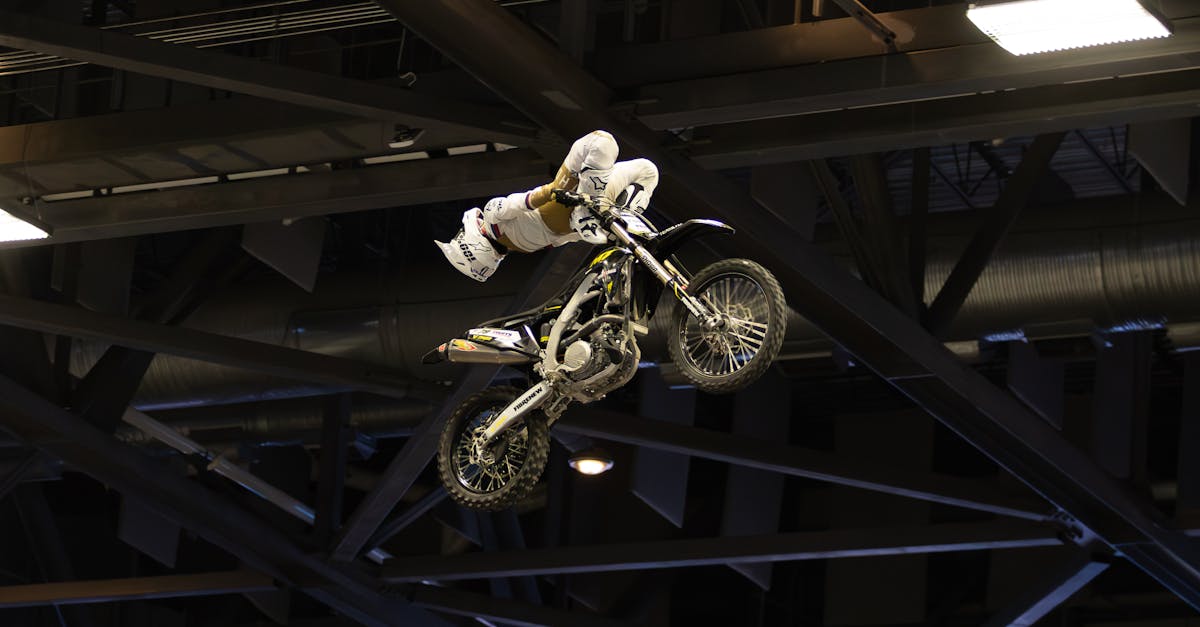
Taking off, flying around, and landing is the foundation. But what keeps people in FPV long-term is freestyle. That means the creative side of flying where you carve lines through the air, string together tricks, and develop your own style.
Freestyle has fundamental techniques (rolls, flips, power loops), but how you combine them and where you fly them is entirely personal. Your style becomes recognizable over time.
This lesson covers the progression from “I can fly without crashing” to “I can fly with intention and creativity.”
Building Muscle Memory
The Reality of Skill Development
FPV stick skills are procedural memory, the same type of learning as riding a bicycle, typing without looking, or playing a musical instrument. You can’t think your way through it. You have to put in the repetitions.
Your brain builds neural pathways through repetition. Each time you execute a maneuver, the pathway strengthens. After thousands of repetitions, the movement happens without conscious thought. Your thumbs know what to do while your conscious mind focuses on what’s coming next.
The 80/20 of Practice
Not all practice is equal. The most effective practice is:
- Deliberate: you’re working on a specific skill, not just flying around
- Challenging: the task is slightly beyond your current ability
- Repeated: you do the same thing multiple times with feedback
- Short: 20-30 minutes of focused practice beats 2 hours of unfocused flying
Practice Routine Structure
Warm up with 5 minutes of basic flying: takeoff, hover, fly circuits, land. Then spend 20 minutes on a specific skill. Finish with 5 minutes of free flying for fun.
Weekly practice plan example:
- Day 1: rolls (left and right, at different angles)
- Day 2: flips (forward and backward)
- Day 3: power loops and split-S maneuvers
- Day 4: proximity flying (close to obstacles at controlled speed)
- Day 5: combine everything into freestyle lines
- Day 6: record footage and review
- Day 7: rest. Your brain consolidates during rest days.
Your First Tricks
The Roll
The simplest trick and the foundation of everything else. Apply full roll (right stick left or right) while maintaining throttle. The drone rotates 360 degrees on its roll axis.
Common mistakes: cutting throttle during the roll (the drone falls) or adding yaw (the roll becomes a corked spiral). Focus on clean roll input only.
Practice rolling at altitude first. You need clearance. As you improve, roll closer to the ground and add forward momentum for a rolling advance.
The Flip (Front Flip / Back Flip)
Similar to a roll but on the pitch axis. Push full forward pitch (or pull full back pitch) while maintaining throttle. The drone rotates 360 degrees forward or backward.
Flips feel scarier than rolls because the ground comes into view during the rotation. Start at altitude and gradually bring them lower.
The Power Loop
A more advanced trick that combines a flip with forward momentum. Fly forward at moderate speed, then pull into a back flip. The momentum carries you through a complete loop, ending with the drone flying in the same direction.
Technique: fly forward, apply full back pitch while maintaining or slightly increasing throttle. The drone arcs upward, flips over the top, and comes back down. Reduce pitch and level out.
Power loops feel fluid when done correctly, which is why pilots keep coming back to them.
The Split-S
Fly forward, roll 180 degrees (inverted), then pull back pitch to dive downward and level out. The drone reverses direction while descending. This is useful for quickly changing direction and losing altitude simultaneously.
Technique: forward flight, half roll to inverted, full back pitch to dive, level out in the opposite direction.
The Matty Flip
Named after FPV pilot MattyStuntz. Fly forward, apply full forward pitch while adding a roll. The result is a diagonal corkscrew that looks impressive on camera.
This is an advanced trick. Master rolls, flips, and power loops first.
Building a Freestyle Reel
Why Create a Reel
A freestyle reel is a 30-60 second video showcasing your best flying. It serves as:
- A personal milestone: proof of how far you’ve come
- A portfolio piece: if you ever want to fly professionally
- A social media asset: the FPV community loves watching (and sharing) good flying
- A diagnostic tool: watching your footage reveals habits and areas for improvement
What Makes a Good Reel
- Variety: mix different tricks, locations, and camera angles
- Flow: string tricks together into smooth lines, not isolated stunts
- Editing: cut to the beat of music, use speed ramps, apply color grading
- Length: 30-60 seconds is ideal. Keep it tight.
- Quality over quantity: one clean power loop is better than three sloppy ones
Recording Tips
- Fly with your HD camera recording every session. You never know when you’ll nail a trick.
- Fly the same line multiple times. Repetition increases the odds of a clean take.
- Watch your footage immediately after flying to identify what worked and what didn’t.
- Keep a folder of your best clips. You’ll accumulate reel-worthy footage over time.
Next Steps in FPV
Racing
FPV racing is organized competitive flying through courses with gates and flags. Organizations like MultiGP host races worldwide. Racing demands precision and consistency. Every lap must be clean, not just fast.
Long-Range
Long-range FPV uses efficient builds (7-inch+ quads) and analog video systems to fly miles from the pilot. Mountain surfing, flying through mountain terrain far from your launch point, is a popular long-range discipline.
Cinematic Professional Work
Professional FPV pilots shoot commercials, music videos, sports coverage, and real estate tours. The rates are significantly higher than GPS drone work because the skill is rarer and the footage is more dramatic.
Community
Join the FPV community. It’s one of the most welcoming and helpful groups in drones. Find local groups on Facebook, Discord servers (like the FPV Freestyle server), and Reddit (r/fpv). Attend local meetups and group fly-ins. Flying with others accelerates learning dramatically.
Quick Check
Q: What type of memory does FPV flying develop? A: Procedural memory, the same type as riding a bicycle or playing an instrument. It requires thousands of repetitions to become automatic.
Q: What is a power loop? A: A trick where you fly forward, pull into a back flip, and the momentum carries you through a complete vertical loop.
Q: What should you include in a freestyle reel? A: A variety of tricks strung together into smooth lines, edited to music, 30-60 seconds long. Quality over quantity.
What’s Next?
You’ve completed the FPV Drone Flying course. You understand the equipment, the regulations, the building process, and the flying techniques. The only thing left is practice. Lots of it. Start in a simulator, progress to a micro Whoop, and work your way up at your own pace. Welcome to FPV.