FPV Safety & Regulations
Why It Matters
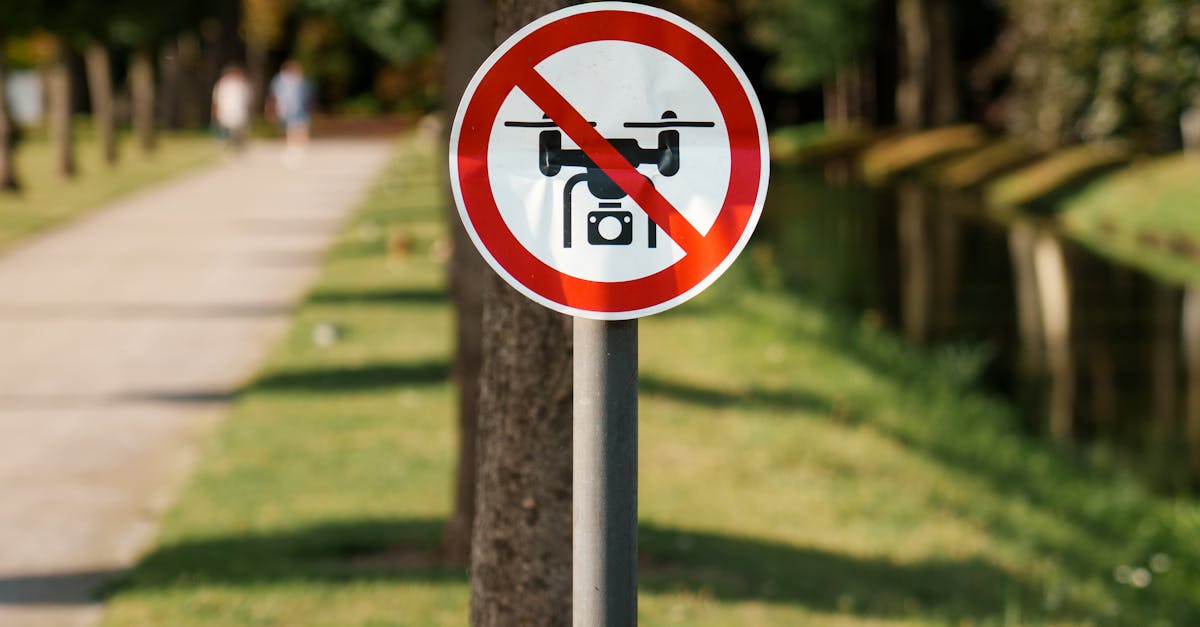
FPV goggles block your real-world vision. When you’re wearing them, you cannot see other aircraft, people, buildings, or obstacles around your drone. This creates safety and legal requirements that every FPV pilot must follow. A 1.5 kg drone hitting a person at 60 mph can cause life-changing injuries, and the FAA enforces these rules with fines starting at thousands of dollars and reaching tens of thousands. Registration is required. Altitude limits are real. And FPV pilots have additional requirements beyond what camera drone pilots follow.
FAA Registration
Who Needs to Register
If your drone weighs more than 250 grams (0.55 lbs), you must register it with the FAA before flying outdoors. This applies to almost every FPV drone except micro Whoops. A typical 5-inch freestyle quad weighs 500-800 grams without a battery.
Registration costs $5 and is valid for 3 years. You receive an identification number that must be marked on your drone. Most pilots write it on the frame with a marker or attach a label.
Remote ID
As of September 2023, most drones flying in US airspace must comply with Remote ID requirements. This means your drone must broadcast its identification, location, altitude, and control station location. Options include:
- Standard Remote ID: built into newer drones and flight controllers
- Remote ID broadcast module: an add-on device for older or custom builds
- FAMA-recognized identification areas (FIDAs): designated flying locations where Remote ID is not required
Many FPV pilots fly at FIDAs or use broadcast modules. Check the FAA’s location tool for approved sites near you.
Visual Line of Sight (VLOS)
The Core Rule
FAA regulations require that drone operators maintain visual line of sight (VLOS) with their drone at all times during flight. You (or your designated visual observer) must be able to see the drone with your own eyes, not through goggles, cameras, or binoculars.
FPV-Specific Requirements
FPV goggles prevent direct visual contact with the drone, so FPV pilots have two legal options:
- Fly with a visual observer (spotter): a person standing next to you who maintains direct visual contact with the drone and can communicate its position and any hazards to you while you wear goggles.
- Fly within FIDAs: at designated flying sites where VLOS requirements may be relaxed.
The spotter doesn’t need a radio or special equipment. They just need to be able to see the drone and talk to you. Many FPV clubs have spotter protocols where pilots take turns.
What This Means in Practice
- Always fly with a spotter when wearing FPV goggles
- Your spotter should stand beside you and maintain continuous visual contact
- Agree on communication before flying: “drone moving left,” “aircraft overhead,” “landing zone clear”
- If your spotter says something, respond immediately
Altitude Limits
The 400-Foot Rule
Under Part 107, drones must not fly higher than 400 feet above ground level (AGL). This matters for FPV pilots because FPV drones can climb quickly, especially when diving and pulling out.
If you’re flying within 400 feet of a structure, you may fly up to 400 feet above the structure’s highest point. But this exception rarely applies to FPV flying.
Staying Below the Limit
Without an on-screen display (OSD) showing altitude, FPV pilots estimate visually. As a general rule: if buildings and trees look small, you’re probably too high. Fly low. FPV is most interesting close to the ground anyway.
Airspace and No-Fly Zones
Controlled Airspace
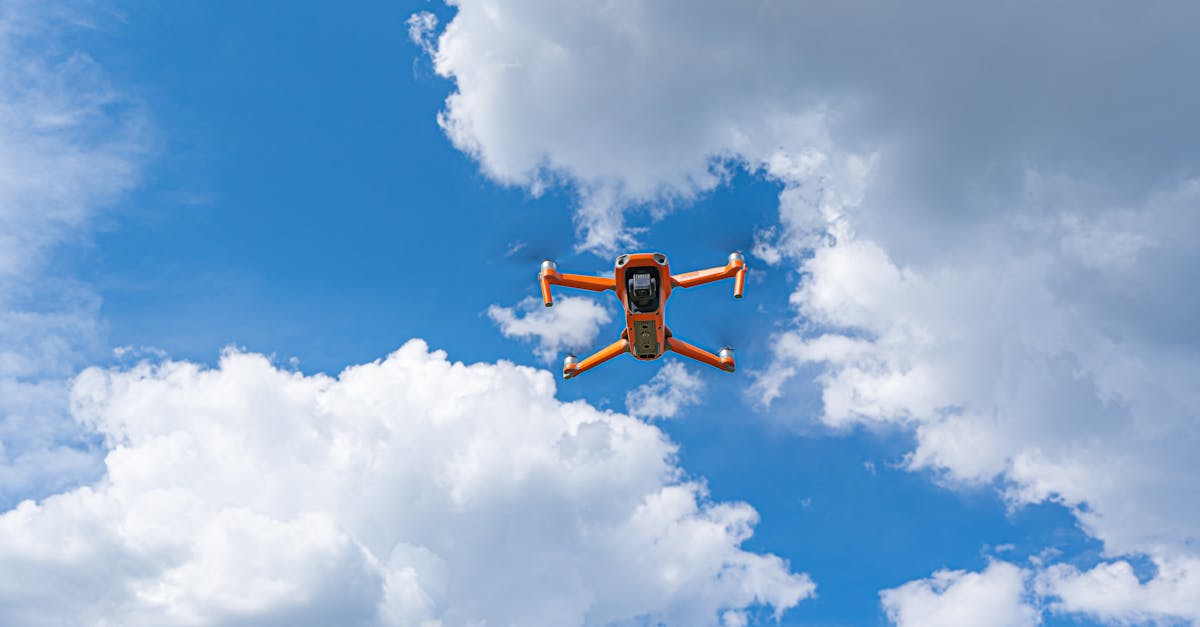
You cannot fly in controlled airspace (near airports) without prior authorization through LAANC (Low Altitude Authorization and Notification Capability). This applies to FPV drones just as it does to camera drones.
Temporary Flight Restrictions (TFRs)
TFRs are issued for events, emergencies, and security reasons. Always check for active TFRs before flying. The FAA’s B4UFLY app or Aloft (formerly Kittyhawk) provides real-time airspace information.
Restricted Areas
Military bases, national security areas, and certain government facilities have permanent drone restrictions. Violations can result in criminal charges.
Flying Safely
Pre-Flight Safety
- Check airspace with B4UFLY or Aloft
- Verify weather conditions: wind, visibility, precipitation
- Survey your flying area for hazards (power lines, people, animals, roads)
- Confirm your equipment is working: radio link, video link, battery voltage
- Ensure your spotter is ready and understands communication protocol
In-Flight Safety
- Maintain altitude awareness: stay below 400 feet AGL
- Fly at a distance where your spotter can see the drone
- Yield to all manned aircraft: if you hear or see an aircraft, descend and move away
- Never fly over people, moving vehicles, or occupied structures
- Keep your drone within emergency recovery range: if something fails, can you safely land?
Battery Management
- Never fly below 3.3V per cell under load. Below this voltage, the battery can be permanently damaged and the drone may lose power unpredictably.
- Return with margin: plan to land at 3.5V per cell, not when the battery is at its limit.
- Time your flights: know approximately how long your batteries last and set a timer.
Quick Check
Q: What is the FAA’s weight threshold for drone registration? A: 250 grams. Drones heavier than this must be registered before flying outdoors.
Q: How can FPV pilots legally satisfy the visual line of sight requirement? A: By flying with a visual observer (spotter) who maintains direct visual contact with the drone, or by flying at a FIDA.
Q: What is the maximum altitude for drone flight under Part 107? A: 400 feet above ground level (AGL).
What’s Next?
With the rules covered, let’s go deeper into the hardware: understanding every component of an FPV drone and how they work together.