Understanding Flight Controllers
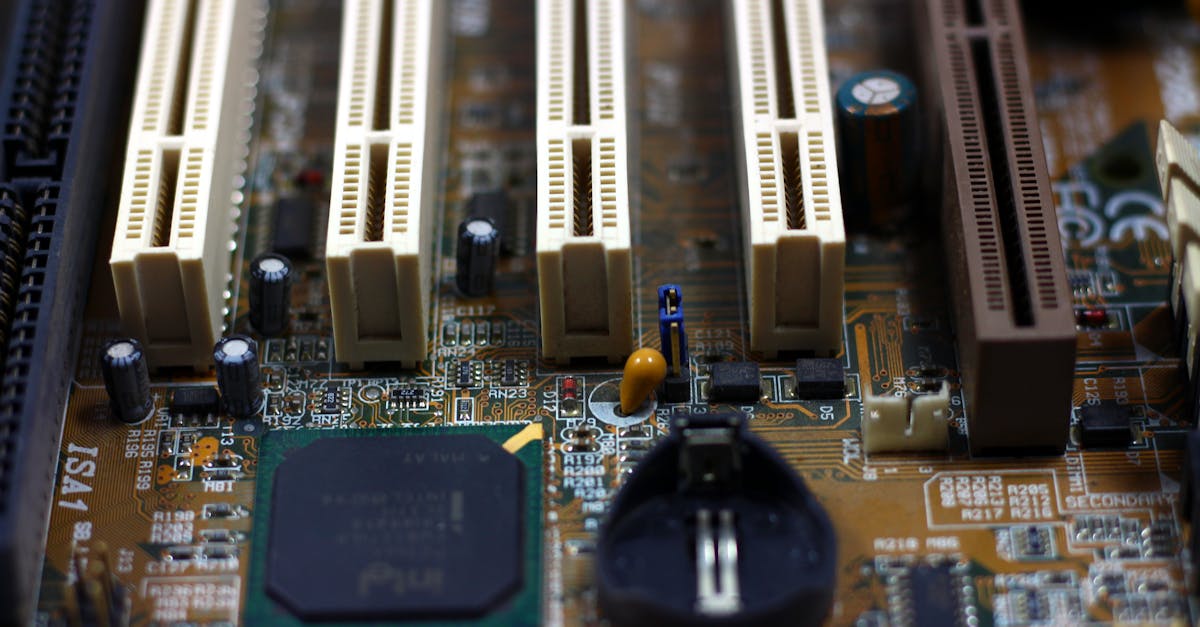
The Brain of Your Drone
Your flight controller (FC) is the decision-maker. It reads sensor data hundreds of times per second, calculates what the motors should do, and sends adjustment signals to keep your drone stable. We are talking 400+ calculations every second.
Without an FC, a quadcopter is just four motors spinning wildly. The FC interprets your stick inputs, senses the drone’s orientation, and translates that into controlled flight.
Main Flight Controller Options
Pixhawk runs on a 32-bit ARM processor and supports ArduPilot or PX4 firmware. It is the go-to for autonomous builds: GPS waypoints, return-to-home, altitude hold. Cost runs \$25-50 depending on the variant.
KK2 board is older tech but still useful. Simple, cheap (\$15-20), and great for learning manual flight basics. No GPS capability, but watching the board react to your inputs teaches you what stabilization actually does.
Matek F405 sits in the middle. Modern hardware that runs either Betaflight or ArduPilot. This flexibility lets you start with acrobatic FPV flying, then switch to autonomous missions later without buying new hardware.
ArduPilot vs Betaflight
These are the two major firmware ecosystems, and they serve different purposes.
ArduPilot excels at stable, autonomous flight. GPS navigation, mission planning, failsafe behaviors. Built for photography drones, surveying, and anyone who wants reliable autonomous features. Setup takes longer, but the feature set is massive.
Betaflight is tuned for FPV racing and acrobatics. It responds instantly to stick inputs, supports rate modes that feel like flying by wire, and includes filters that clean up motor noise for smooth video.
Built-In Sensors
Every FC includes a gyroscope that measures rotation and an accelerometer that measures tilt. These two sensors do the heavy lifting for stability. More advanced boards add a barometer for altitude sensing and a compass for heading information, both essential for GPS features.
GPS modules connect separately but feed data to the FC. If autonomous flight matters to you, verify your FC supports GPS before buying.
Making Your Choice
Ask yourself what you actually want to do. Photography and GPS features? Pixhawk with ArduPilot. Racing and freestyle? Matek F405 with Betaflight. Learning basics on a budget? KK2 for now, upgrade later.
There is no wrong answer, only wrong expectations.
Quick Check
Q: How often does a typical flight controller calculate motor adjustments? A: At least 400 times per second, keeping the drone stable and responsive to stick inputs.
Q: Why would you not use Betaflight for a photography drone? A: Betaflight lacks robust GPS navigation, mission planning, and autonomous flight features that photography builds require.
Q: What advantage does the Matek F405 have over the KK2? A: The F405 runs modern firmware (Betaflight or ArduPilot), supports GPS, and uses a faster processor, while the KK2 is limited to basic stabilization.
What’s Next?
With the brain figured out, it is time to pick the body and muscles: frames, motors, and propellers.
Building an FPV racer? Our FPV Drone Flying course covers Betaflight setup and flight modes in depth.