Types of Custom Drones
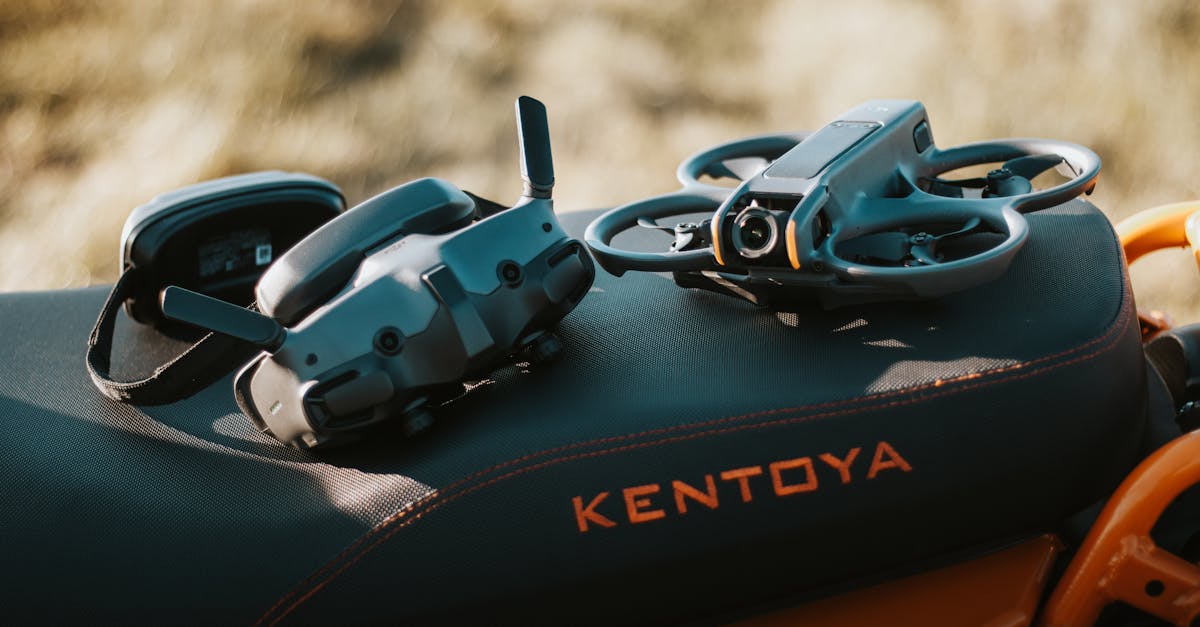
Purpose Drives Design
Before you buy a single component, answer one question: what is this drone supposed to do?
The answer determines everything. Frame size, motor specs, propeller pitch, battery capacity, and flight controller features all flow from the purpose. A drone built for capturing smooth video looks completely different from one built for racing through gates at 80 mph.
Photography and Videography Platforms
These drones prioritize stability and flight time over speed. You will see larger frames (450mm to 600mm wheelbase), lower KV motors spinning bigger propellers, and GPS modules for position hold.
Key features include gimbal mounting points, vibration isolation, and flight controllers running advanced stabilization algorithms. Flight times of 15-25 minutes are achievable with the right battery setup.
Weight budget matters here. Every gram you add for cameras and gimbals reduces your flight time. Builders often use 3S or 4S batteries with 3000-5000mAh capacity.
Racing and FPV Drones
Speed and agility define this category. Racing frames are compact (typically 3-5 inch propellers), lightweight, and often made of carbon fiber for durability during crashes.
High KV motors (2300KV and up) spin smaller props at extreme RPMs. You trade efficiency for raw thrust and instant response. Flight times drop to 3-8 minutes, but those minutes are intense.
FPV (first-person view) means you fly through goggles, seeing what the drone sees in real-time. This requires a low-latency video transmitter and camera system. No delay allowed.
Mapping and Surveying Drones
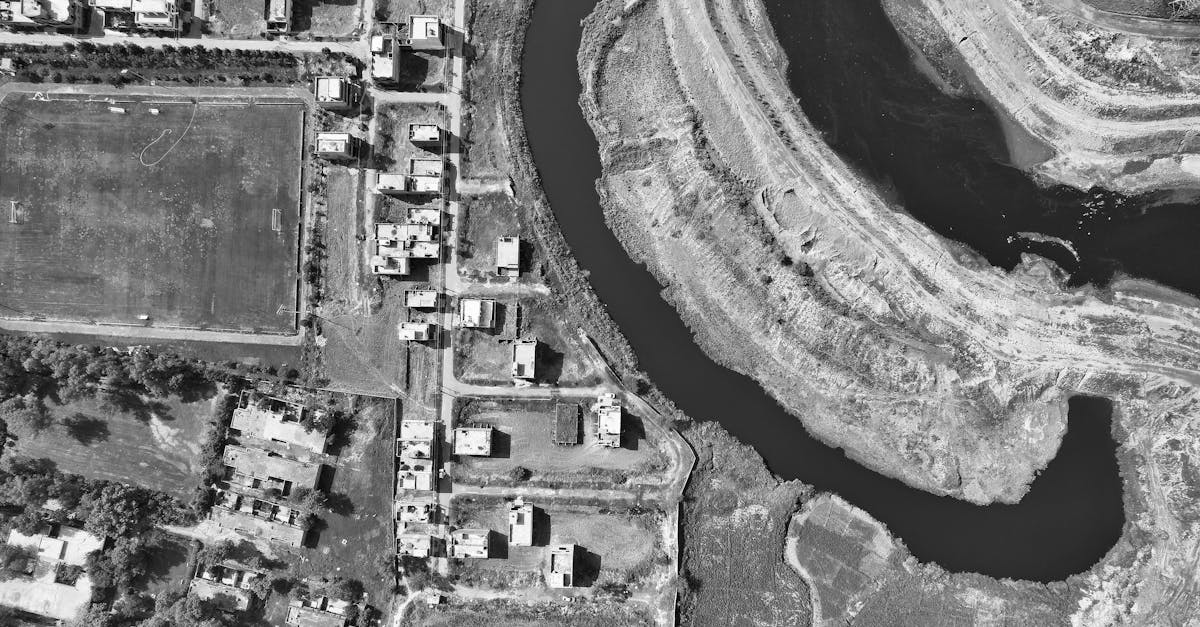
These need precision over performance. Accurate GPS modules, compass calibration, and autonomous waypoint navigation are essential. The drone flies pre-programmed routes while a camera captures overlapping images.
Stability is critical because shaky footage creates gaps in stitched maps. Larger frames with medium KV motors provide the right balance of efficiency and control.
Experimental and Heavy-Lift Builds
This catch-all category covers everything from drone delivery prototypes to custom sensor platforms. You might need to lift 5+ pounds of payload, which means serious motor power and battery capacity.
Heavy-lift builds often use 6 or 8 motors (hexacopters or octocopters) for redundancy and increased lift. Component costs climb quickly, but you are building something that cannot be purchased off the shelf.
Quick Check
Q: What KV rating would you choose for a photography drone vs a racing drone? A: Photography drones use lower KV motors (around 800-1000KV) for larger props and efficiency. Racing drones use high KV motors (2300KV+) for smaller props and maximum thrust.
Q: Why do mapping drones need accurate GPS but racing drones often do not? A: Mapping requires precise position data for autonomous waypoint navigation and accurate image geotagging. Racing drones fly manually by visual reference through FPV goggles.
Q: What is the main tradeoff when adding camera payload to a photography drone? A: Added weight significantly reduces flight time, sometimes cutting it by 30-40% depending on the payload size.
What’s Next?
You have picked your drone type. Now let us look at the actual parts you will need to buy.
If FPV racing caught your attention, check out our FPV Drone Flying course for everything you need to know about first-person view flight.