Pre-Flight Checklist for Real Estate
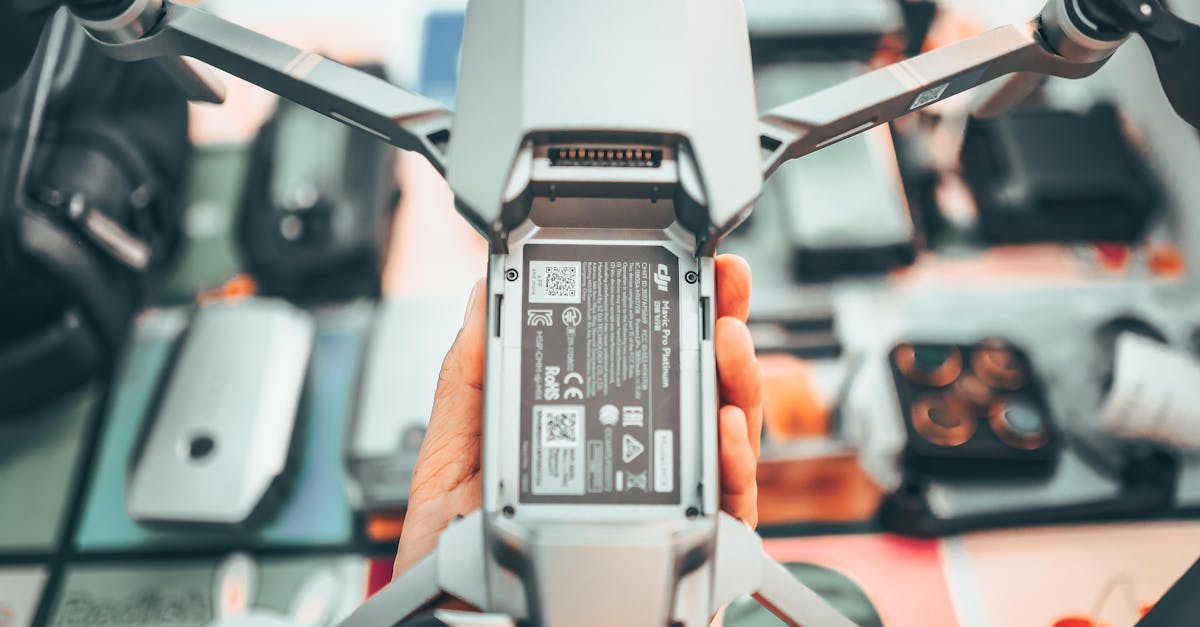
Never Skip the Checklist
Pilots who skip checklists are the ones with stories that start with “so I was flying and…” and end badly. Every professional pilot uses a checklist. Every time. No exceptions.
Before Leaving Home
- Batteries fully charged (all of them: drone, controller, phone/tablet)
- SD cards formatted and inserted (carry spares)
- Lens clean (check for fingerprints and dust)
- Props secure (no cracks or looseness)
- Drone firmware updated (check the night before, not at the job site)
- Weather verified (wind, visibility, precipitation forecast)
- LAANC authorization obtained (if in controlled airspace)
- Client confirmed (shoot still on, access arranged)
- Kit packed per checklist (batteries, cards, filters, cleaning kit, first aid)
On-Site Preparation
1. Walk the Property First
Never unpack your drone before walking the entire property on foot. Look for:
- Power lines and cell towers: these are drone killers
- Trees: how close? How tall? Where are they relative to your flight path?
- People and pets: you cannot fly over non-participants
- Neighbor’s property: avoid flying over neighboring lots
- Takeoff and landing zone: flat, clear, away from obstacles
2. Compass Calibration
If you’ve traveled more than 50 miles or the app prompts you, calibrate your compass. Follow the on-screen instructions (typically a horizontal and vertical rotation). Don’t skip this near metal structures or vehicles.
3. Test Flight
Before shooting your real estate shots, do a low-altitude test flight:
- Hover at 10 feet and check stability
- Test all controls: yaw, pitch, roll, throttle
- Verify camera feed is working
- Check for any error messages
A 2-minute test flight catches 90% of problems (GPS issues, compass errors, firmware glitches, camera malfunctions). Fix them on the ground, not in the air.
4. Talk to the Realtor
Ask the realtor:
- “Any specific features you want highlighted or avoided?”
- “Is there anything about the property I should know?” (aggressive dogs, nearby construction, HOA restrictions)
- “Are there neighbors I should be aware of?”
Some realtors want to emphasize the backyard and downplay the busy street behind. Others want to showcase the mountain views. Align before you fly.
Legal Checklist
- Part 107 certificate on your person
- Drone registration number visibly displayed
- Remote ID active and broadcasting
- Not flying over non-participating people
- Staying below 400 feet AGL
- Maintaining visual line of sight
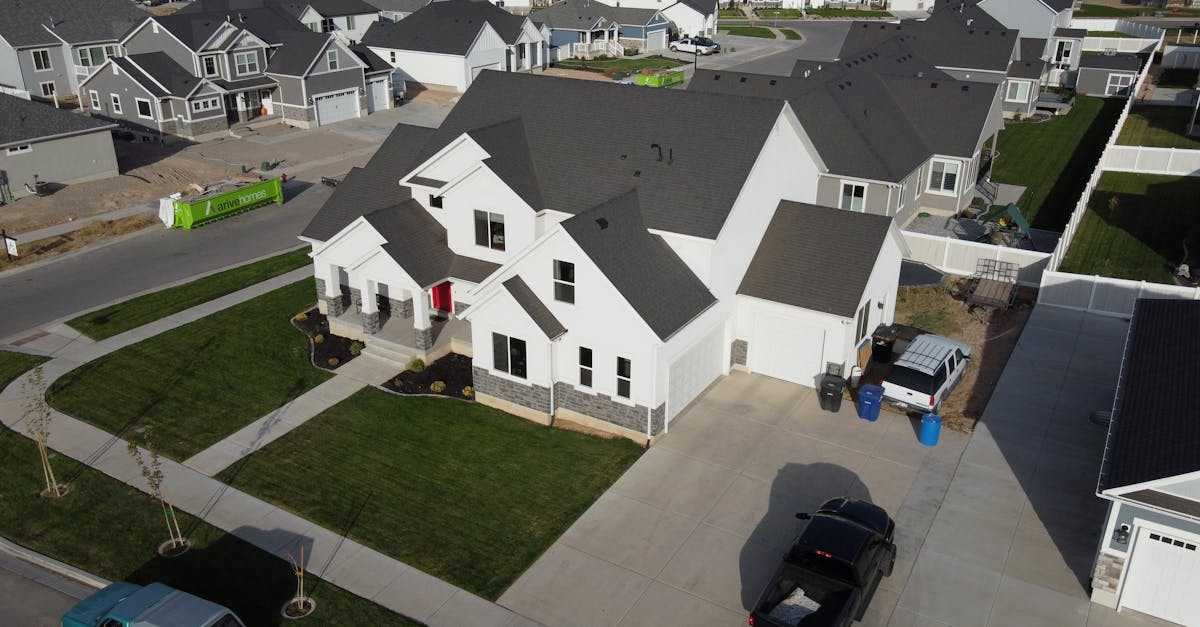
- Aware of surroundings near property lines
You can fly near property lines, but be respectful. If a neighbor asks what you’re doing, explain calmly: “I’m a licensed drone pilot hired by the realtor to photograph this property. I’m not photographing your home.” Most people relax when they hear “licensed” and “professional.”
When to Postpone
Don’t fly if:
- Wind is over 20 mph (gusty footage isn’t usable)
- Visibility is under 3 statute miles
- There’s active precipitation
- You’re not feeling 100% (tired, distracted, rushed)
- The airspace isn’t clear (TFRs, nearby helicopter activity)
It’s better to reschedule than to produce bad footage or risk an incident. Professionalism means knowing when to say “not today.”
Quick Check
Q: Why do a test flight before shooting? A: It catches GPS issues, compass errors, firmware glitches, and camera problems while you can still fix them on the ground.
Q: What should you ask the realtor before flying? A: What features to highlight or avoid, anything about the property you should know, and any neighbor concerns.
Q: When should you postpone a shoot? A: Wind over 20 mph, visibility under 3 miles, active precipitation, or if you’re not feeling 100%.
What’s Next?
You’re on-site, checked out, and ready to fly. Let’s talk camera settings for real estate.
Pilot Institute: learn to fly like a professional.