Location Scouting & Timing
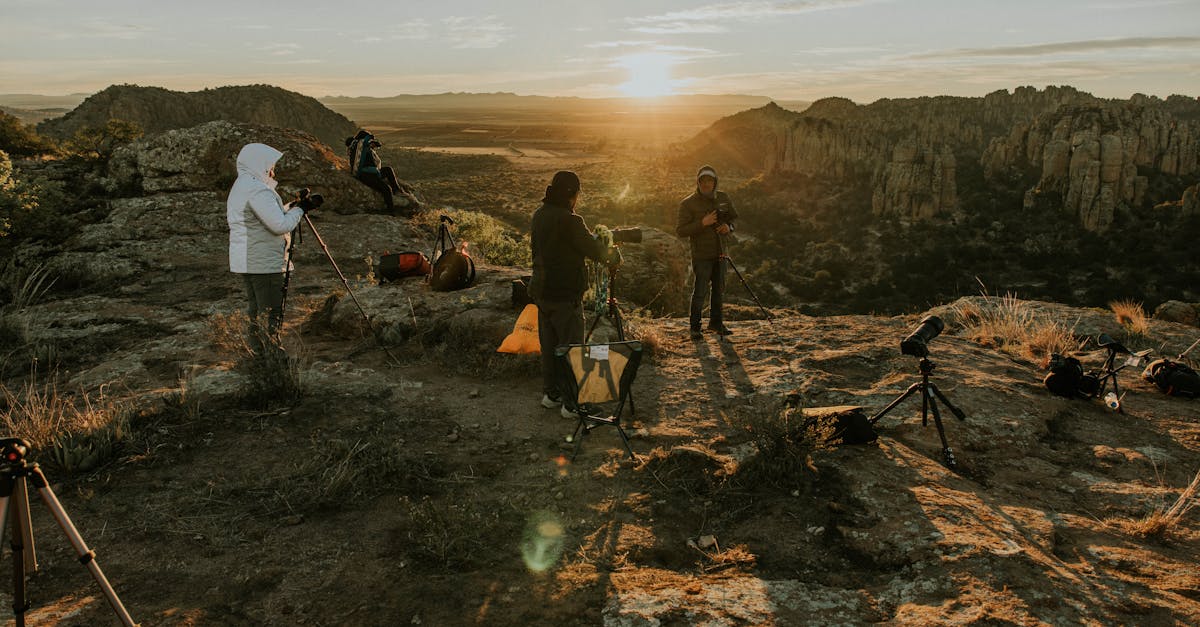
Planning Prevents Disaster
The difference between a great real estate shoot and a wasted afternoon is planning. Professional pilots don’t just show up and fly. They plan the light, the angles, the airspace, and the sequence before the drone leaves the case.
Sun Position Is Everything
The optimal time to film a property is when the sun faces the front of the house with low-angle light. This creates warm tones, visible textures, and minimal harsh shadows.
The Rule
- House faces east: shoot in the morning (within 2 hours of sunrise)
- House faces west: shoot in the evening (within 2 hours of sunset)
- House faces north or south: either golden hour works, but golden hour (the hour after sunrise or before sunset) produces the best light
The hour after sunrise and the hour before sunset produce warm, directional light that makes every property look its best. Midday sun creates harsh shadows and flat, unappealing footage. Plan your shoots around golden hour whenever possible.
Midday for Interiors
If you’re shooting interior footage as well (with a handheld stabilizer), midday works best for interiors because the harsh exterior light is less relevant. You can split the day: exteriors at golden hour, interiors at midday.
Scouting Before You Fly
Google Maps / Satellite View
Before driving to any property, study it on satellite view:
- Identify the front, back, and sides of the property
- Note obstacles: tall trees, power lines, neighboring buildings
- Spot the best takeoff and landing zones (flat, clear, away from people)
- Check the surrounding area: is there a park, highway, or feature the realtor should highlight?
Airspace Check
Before every shoot, verify the airspace:
- Use B4UFLY or Aloft to check for restrictions
- If the property is in controlled airspace (near an airport), get LAANC authorization before heading out
- Check for TFRs (Temporary Flight Restrictions). These can appear with little notice.
Flying in controlled airspace without LAANC authorization is an FAA violation. Period. Check every time, even for properties you’ve shot before. Airspace authorizations change.
Weather Windows
Ideal conditions for real estate drone work:
- Wind: under 15 mph (gusts under 20 mph)
- Visibility: 3+ statute miles (FAA minimum for Part 107)
- Cloud ceiling: high enough to fly at your planned altitude
- Precipitation: none (don’t fly in rain; bad for the drone and bad for footage)
Apps to Use
- UAV Forecast: drone-specific weather with fly/no-fly recommendation
- FAA-approved sources: aviationweather.gov for official METARs
- Your phone’s weather app: for real-time conditions at the location
Scheduling Around the Property
Schedule a typical real estate shoot like this:
| Time | Activity |
|---|---|
| 24 hours before | Confirm with realtor, check weather, get LAANC auth |
| Morning of | Recheck weather, pack kit using checklist |
| 30 min before arrival | Check for TFRs, confirm sun position |
| On-site | Walk the property, plan shots, fly |
| After | Backup footage, start editing |
Quick Check
Q: When should you shoot a house that faces west? A: In the evening, within 2 hours of sunset, when the sun illuminates the front of the house.
Q: What should you check on satellite view before a shoot? A: Property layout, obstacles (trees, power lines), takeoff/landing zones, and surrounding features.
Q: What’s the maximum wind speed for good real estate footage? A: Under 15 mph sustained, gusts under 20 mph. Stronger wind creates shaky footage and risks control issues.
What’s Next?
Timing is set. Now let’s build your shot list: the specific aerial shots every property needs.
Professional drone training at Pilot Institute.