Insurance: Protecting Your Business and Your Clients
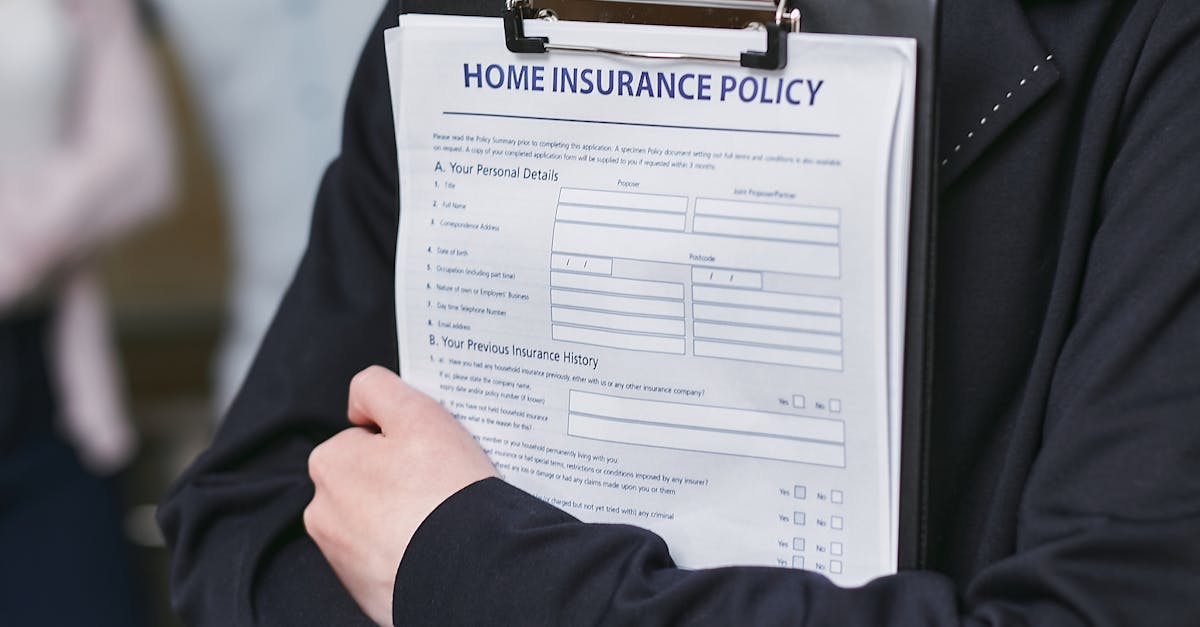
You’re flying a $3,000 piece of equipment over someone’s property, maybe near people, possibly near other structures. One gust of wind, one battery failure, one moment of distraction can lead to a crashed drone, a broken skylight, or worse.
Insurance isn’t just paperwork. It’s what keeps one bad day from becoming a bankruptcy filing.
The Two Layers You Need to Understand
Drone insurance breaks down into two distinct categories, and confusing them will cost you money or leave you exposed.
Hull Insurance: Protecting Your Investment
Hull insurance covers your drone itself: physical damage, flyaways, and theft. Think of it like comprehensive coverage on your car. You’re protecting that $700 to $7,000 investment floating above the ground.
Without hull coverage, a crash means you’re paying out of pocket for repairs or replacement. For commercial operators running multiple flights weekly, this adds up fast.
Some pilots self-insure by keeping a backup drone. If you’re flying a $500 drone and can absorb that loss, hull coverage might not make financial sense. But for $3,000+ aircraft, get the coverage.
Liability Insurance: Protecting Everyone Else
This is the non-negotiable one. Liability insurance covers damage your drone causes to other people or property. You drop a Mavic 3 through a windshield? Liability pays for it. Your drone hits a person? Liability covers medical costs and legal fees.
A typical $1 million liability policy runs $800-$1,000 annually through aviation-focused brokers. That’s roughly $70-$85 per month for serious protection.
On-Demand Insurance: Pay As You Fly
Not ready to commit to an annual policy? On-demand insurance lets you buy coverage by the hour or day. This is perfect when you’re starting out.
| Provider | Hourly Rate | Daily Rate | Monthly | Hull Coverage | COI |
|---|---|---|---|---|---|
| Thimble (Verifly) | ~$10/hr | ~$40/day | N/A | No | Yes |
| Skywatch | ~$10/hr | ~$47/day | ~$62/mo | Yes | Yes |
| DroneInsurance.com | N/A | ~$37/day | ~$233/mo | Yes | Yes |
When you’re landing your first few paid gigs, on-demand insurance makes financial sense. You’re not paying for coverage on days you’re not flying. Once you’re booking 3+ jobs per week, switch to an annual policy.
The Skywatch Behavior Discount
Skywatch offers a unique perk: upload your last five flights for a safety score, and you earn 10-30% discounts based on your flying behavior. They reward good pilots with lower premiums.
Thimble’s Instant Coverage
Their app uses GPS to draw a circle around your location. Tap a button, and you’re covered. $10 gets you up to $10 million in liability coverage for one hour.
Care Refresh: Not Insurance
DJI Care Refresh and similar manufacturer plans are NOT insurance. They’re replacement programs where you pay upfront for the right to discounted replacements (typically up to two per year, $99-$239 depending on the model).
They don’t cover liability. They don’t generate certificates of insurance. They simply make replacing a crashed drone cheaper.
Telling a corporate client “I have DJI Care Refresh” when they ask for proof of insurance will end the conversation immediately. They need actual liability coverage from an insurance carrier.
Certificates of Insurance (COIs)
Most construction companies, real estate firms, and corporate clients won’t let you on their property without a Certificate of Insurance naming them as additionally insured.
All the major providers can generate COIs instantly through their apps or websites. Build this into your workflow. It should take about 60 seconds once you’re set up.

What Should You Actually Do?
- First 1-5 jobs: use on-demand insurance (Thimble or Skywatch). Low commitment while you validate the business.
- Consistent weekly revenue: switch to an annual liability policy. The math works in your favor.
- High-value drones ($3K+): add hull coverage once you’re flying expensive equipment regularly.
- Always: keep manufacturer replacement plans as a supplement, never a substitute.
Quick Check
Q: What’s the difference between hull and liability insurance? A: Hull covers your drone itself. Liability covers damage your drone causes to others.
Q: Can DJI Care Refresh substitute for actual insurance? A: No. It’s a replacement plan only, with zero liability coverage.
Q: When does annual insurance beat on-demand? A: When you’re flying consistently (3+ jobs/week), annual policies are more cost-effective.
What’s Next?
Now that you understand financial protection, let’s set up the legal structure that protects your personal assets.
For comprehensive Part 107 exam preparation, check out Pilot Institute.