Who Needs Drone Surveying
Why It Matters
Not everyone who needs a drone survey knows they need a drone survey. Your job is to find the industries that already spend money on spatial data and show them a better way to get it. Pick the wrong market and you burn months chasing leads that never convert. Pick the right one and you have a pipeline before you finish setting up your business.
Construction
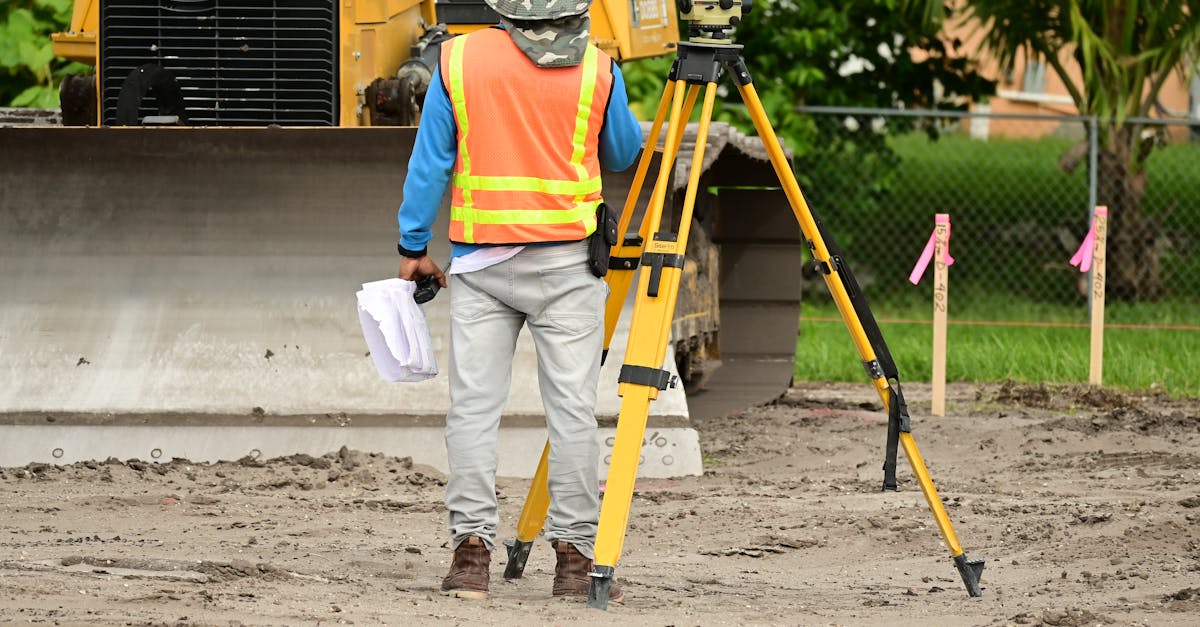
Construction is the largest buyer of drone surveying services, accounting for about 35% of industry demand. Builders need topographic surveys before breaking ground, progress tracking during construction, and as-built surveys when projects wrap up. A single commercial development might require 10-20 surveys over 18 months. Typical project values range from $1,500 for a small residential lot to $15,000+ for large commercial sites with multiple deliverables.
Mining and Aggregates
Mining operations use drones for monthly volume calculations to track how much material has been extracted. A single quarry might pay $2,000-4,000 per month for ongoing surveys. That is $24,000-48,000 per year from one client. They need stockpile volume reports, pit progression maps, and sometimes drainage analysis. This is recurring revenue gold if you can land the contract.
Agriculture
Precision agriculture uses drone data for crop health mapping, drainage planning, and field elevation models. Farmers typically pay $3-8 per acre for NDVI and orthomosaic maps. A 500-acre farm generates $1,500-4,000 per flight. The challenge here is price sensitivity. Ag clients have tight margins, so efficiency matters more than in other sectors.
Real Estate and Land Development
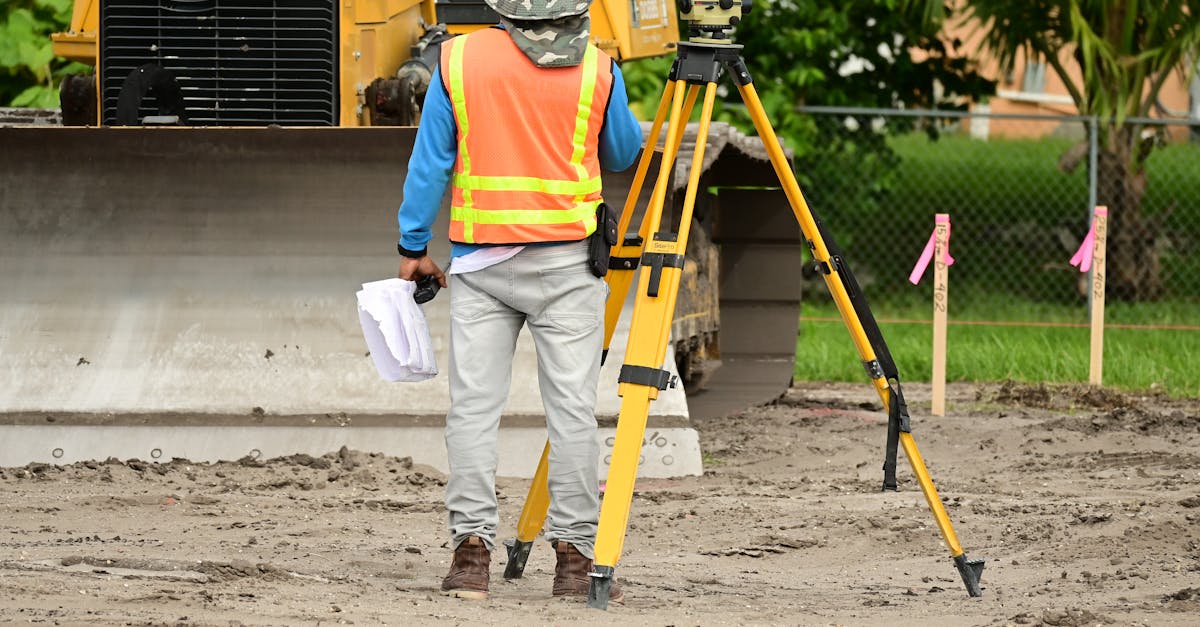
Developers need preliminary topographic surveys to evaluate properties before purchase. These are usually 5-20 acre sites with deliverables including contour maps, elevation data, and boundary context. Average project value is $1,000-3,000 with quick turnaround requirements. The upside is volume. Developments often buy multiple properties per year.
Environmental and Government
Environmental consultants use drone surveys for wetland delineation, erosion monitoring, and habitat mapping. Government agencies need infrastructure inspection, flood zone mapping, and right-of-way surveys. Pay rates vary widely from $1,500 for small environmental assessments to $25,000+ for large government contracts. These often require longer sales cycles but offer stability once you are in the system.
How to Pick Your Target Market
Start with three questions:
- Which industries operate within 50 miles of you?
- Which ones have the highest frequency of survey needs?
- Which ones pay the most per project?
If you are near a city with active construction, start there. Rural areas with agriculture or mining? Go that direction. Do not try to serve everyone in the beginning.
Quick Check
Q: Which industry accounts for the largest share of drone surveying demand? A: Construction, at approximately 35% of the market.
Q: Why is mining considered a strong market for recurring revenue? A: Mining operations typically need monthly volume calculations, generating $2,000-4,000 per month consistently from a single client.
Q: What is the best way to research your local market before choosing a target industry? A: Search for local surveying companies, call the top results, and ask about their current drone usage or subcontracting needs.
What’s Next?
You know who needs drone surveying and what they will pay. Before you start pitching clients, you need to understand the legal and regulatory requirements. That is our next lesson.
Explore drone certification options at Pilot Institute.