Equipment and Software Investment
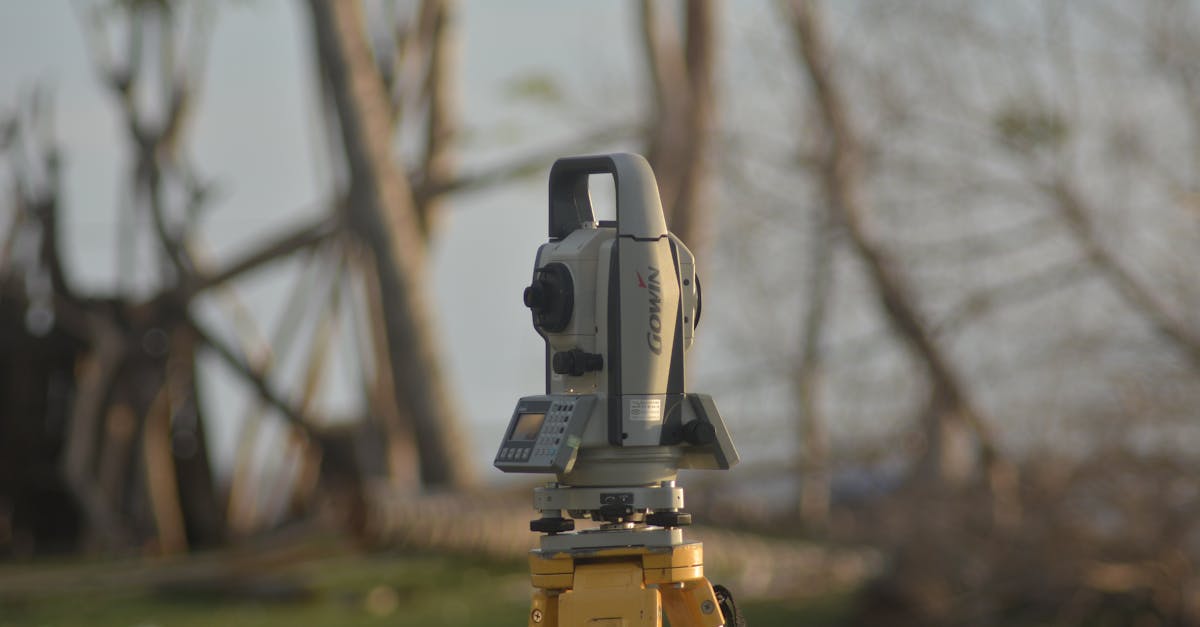
Why It Matters
New surveyors routinely spend $35,000-50,000 on gear before landing their first client. Half of it gathers dust. The right approach? Spend $12,000-18,000 on essentials, add specialized tools only after signed contracts justify them.
Phase 1: Must-Buy Equipment
RTK Drone
Skip non-RTK drones for surveying work. The time saved on ground control alone pays for the upgrade in your first month.
Recommended starting options:
- DJI Mavic 3 Enterprise with RTK module: $6,500-8,000 (entry point that delivers survey-grade results)
- DJI Phantom 4 RTK: $5,000-7,000 (industry standard, built-in RTK)
Processing Computer
Your laptop is a profit center. A slow machine means longer processing times and fewer projects per week.
Minimum specs:
- CPU: AMD Ryzen 7 or Intel i7 (12th gen+)
- RAM: 32GB (64GB if doing LiDAR later)
- GPU: NVIDIA RTX 3060 or better
- Storage: 1TB NVMe SSD + 2TB external for archives
- Budget: $1,800-2,500
Ground Control Point Kit
- 12 survey-grade checkpoints with poles: $800-1,200
- GPS rover for placing GCPs (if not using RTK drone): $5,000-8,000
- Spray paint and targets: $50
Processing Software
You need at least one photogrammetry tool. Budget $2,000-4,000/year for software subscriptions.
Phase 2: Upgrades (Buy After You’re Profitable)
Better Drone
Upgrade when your current drone limits you on large projects or clients demand specific deliverables. Timeline: 6-12 months after launch.
LiDAR Sensor
- Cost: $15,000-45,000 depending on accuracy class
- Only buy after you have 3+ signed contracts requiring LiDAR
- Consider the Zenmuse L1 or L2 if already on Matrice platform
Thermal Camera
- Cost: $2,500-6,000
- Useful for solar farm inspections, not standard surveying
- Rent first unless you have guaranteed monthly thermal work
Rent-vs-Buy Decisions
Rent when:
- You need a sensor fewer than 6 times per year
- The technology is evolving quickly (LiDAR falls here)

- A single contract justifies the rental but not the purchase
Buy when:
- You will use the equipment 12+ times per year
- Rental costs would exceed purchase price within 18 months
- The tool becomes a marketing differentiator
Rental costs to expect:
- LiDAR sensor: $800-1,500/day
- Thermal camera: $200-400/day
- High-end survey drone: $400-700/day
Software Cost Comparison
| Software | Annual Cost | Best For | Learning Curve |
|---|---|---|---|
| Pix4Dmapper | $3,500 | Photogrammetry standard | High |
| Agisoft Metashape | $3,499 (perpetual) | Budget-conscious, flexible | High |
| DroneDeploy | $6,600-11,400 | Ease of use, construction | Low |
| Pix4Dfields | $2,000 | Agricultural NDVI | Medium |
| WebODM | Free (self-hosted) | Budget option, tech-savvy | Very High |
Recommendation for starting out: DroneDeploy if budget allows (fastest path to deliverables) or Metashape if you need to keep costs down and have time to learn.
Quick Check
Q: What is the minimum RAM you should have in a processing computer? A: 32GB minimum. Step up to 64GB if you plan to add LiDAR processing within your first year.
Q: When should you buy a LiDAR sensor instead of renting? A: After you have 3+ signed contracts requiring LiDAR and expect to use it 12+ times per year. Otherwise, rent.
Q: Why is RTK worth the extra cost over a standard drone? A: RTK eliminates most ground control placement, saves 1-2 hours per project, and delivers centimeter-level accuracy that clients require for survey-grade work.
What’s Next?
With your pricing set and equipment planned, you are ready to start landing clients. The next section covers marketing strategies that actually work for drone surveyors.
Explore drone certification options at Pilot Institute.