The Drone Surveying Opportunity
Why It Matters
Drone surveying has moved from a niche novelty to a mainstream service that companies actually budget for. The commercial drone market hit $13.9 billion in 2023, and surveying and mapping make up roughly 18% of that pie. That is real money flowing to pilots who learned to do more than fly. They learned to deliver accurate spatial data. If you are sitting on a Part 107 and wondering how to turn it into actual income, surveying is one of the most accessible paths with consistent demand.
The Market Is Growing Fast
The drone surveying market is projected to reach $8.5 billion by 2028, growing at about 16% annually. That growth comes from companies realizing drones collect data faster, safer, and cheaper than traditional methods. Every new construction project, mining operation, and infrastructure development needs site surveys, sometimes dozens of them over the life of a project. That is recurring revenue for drone surveyors who position themselves correctly.
Why Drones Beat Traditional Surveying
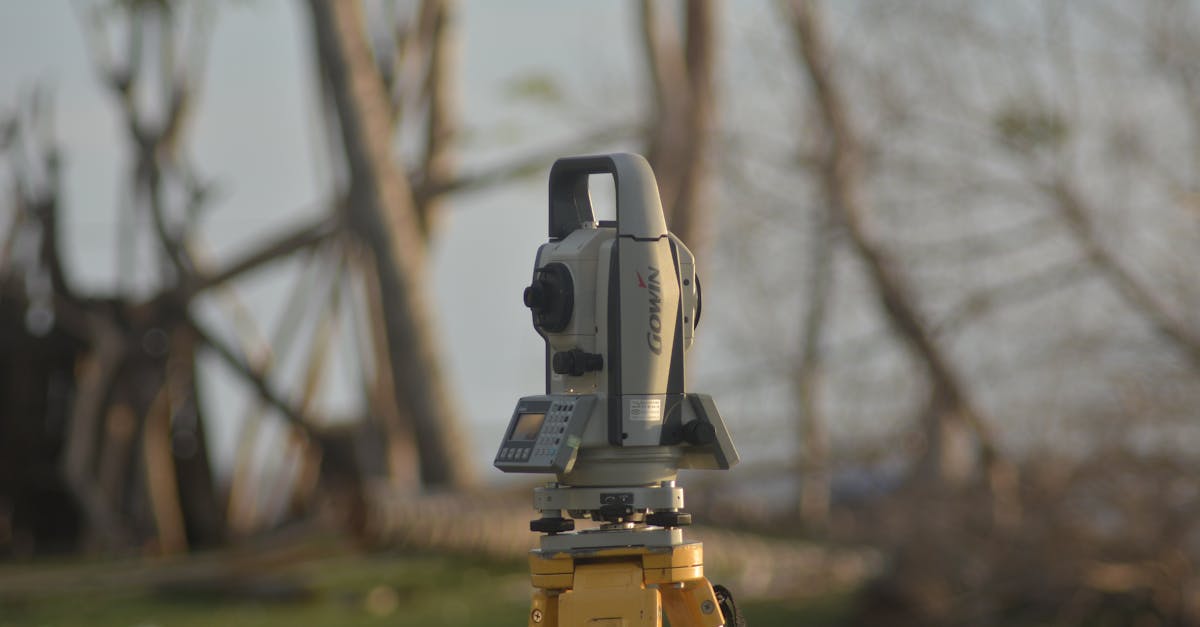
Traditional surveying means sending a crew on foot with total stations and GPS rovers. A 10-acre site might take 2-3 days. A drone can cover that same site in about 45 minutes of flight time.
Here is the breakdown:
- Speed: Drones cover ground 5-10x faster than ground crews for large sites
- Safety: No sending people into hazardous terrain, active construction zones, or near steep drop-offs
- Cost: Reduced labor hours mean lower bids, often 30-50% less than traditional survey costs
- Repeatability: Fly the same mission monthly to track progress, and the data stays consistent
Earning Potential
Drone surveyors typically charge $200-400 per hour or $1,500-5,000 per project depending on complexity, deliverables, and turnaround time. A pilot running 2-3 survey jobs per week can gross $150,000-250,000 annually once established. The key is moving beyond per-acre pricing to value-based pricing that reflects what the data is worth to the client.

Quick Check
Q: How fast is the drone surveying market growing? A: Approximately 16% annually, projected to reach $8.5 billion by 2028.
Q: What are the four main advantages of drone surveying over traditional methods? A: Speed (5-10x faster), safety (no ground crews in hazardous areas), cost (30-50% lower), and repeatability (consistent data over time).
Q: What is the typical hourly rate for drone surveying services? A: $200-400 per hour, or $1,500-5,000 per project depending on scope and deliverables.
What’s Next?
Now that you understand the opportunity, let us talk about who is actually writing the checks. In the next lesson, we will break down the specific industries that hire drone surveyors and what each one is willing to pay for.
Explore drone certification options at Pilot Institute.