Legal Requirements for Selling Drone Footage: Releases and Copyright
Before you upload that drone clip to a stock agency, make sure you understand Part 107 requirements, model releases, and copyright basics.
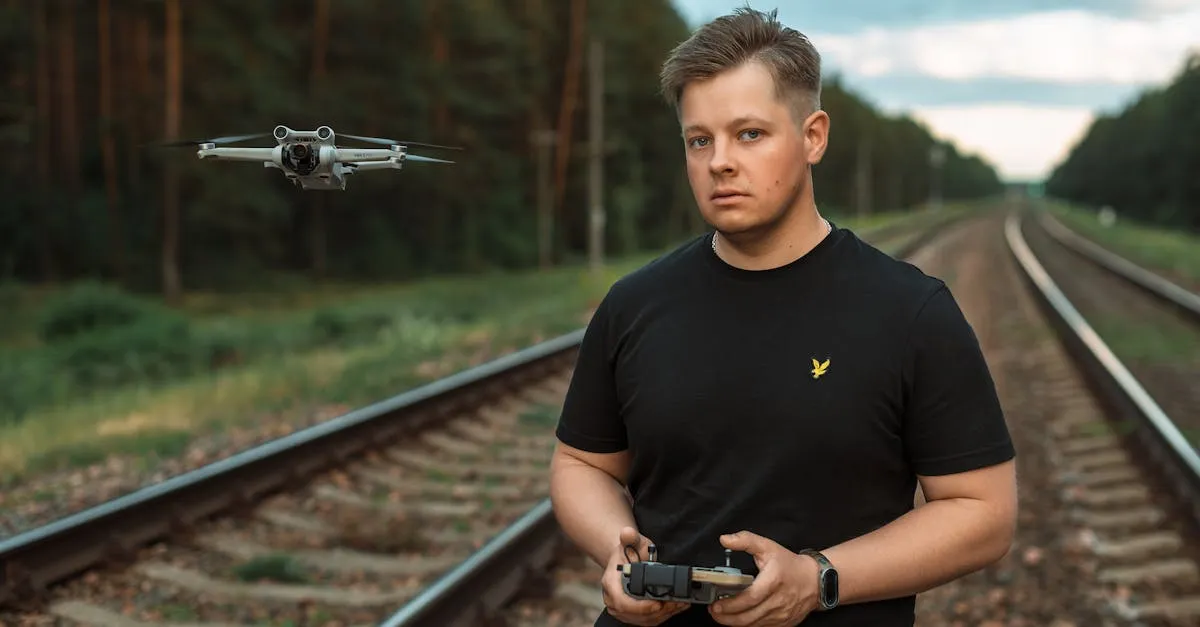
To sell drone footage in the US, you need a Part 107 certificate for the flights you make with sale in mind — the FAA cares about the purpose of a flight at the moment you fly it, not what you do with the files years later. You must also navigate model releases for recognizable people, avoid trademarked elements, and understand that property release requirements vary by stock agency. Never sell footage shot in restricted airspace or in violation of federal laws.
So you’ve got some killer drone footage and you’re ready to make money off it. Before you hit that upload button, there’s legal groundwork you need to understand. Selling drone footage isn’t as simple as pointing your camera at something pretty and cashing checks.
The Non-Negotiable: Part 107
If you’re in the US and planning to sell drone footage, you need a Part 107 certificate. Period.
The FAA’s line is about intent at takeoff. The recreational exception in 49 U.S.C. 44809 only covers flights “operated exclusively for recreational purposes.” If you launch with any commercial purpose — direct payment, stock royalties, footage traded for goods, or a plan to sell the clips — that’s a Part 107 operation, full stop, and the recreational exception won’t cover you.
The edge case pilots ask about: you flew purely for fun, and later someone wants to buy the footage. The FAA’s guidance has consistently focused on the purpose of the flight at the time it was flown, so a genuinely recreational flight isn’t retroactively converted into a violation by an after-the-fact sale. But that’s a fact-specific defense, not a business model — if you can’t honestly say the flight was recreational when you launched, fly under Part 107.
Getting your Part 107 requires passing a knowledge test at an FAA-approved testing center covering airspace, weather, regulations, and crew resource management. The certificate never expires; to keep flying commercially you complete the FAA’s free online recurrent training every 24 calendar months.
Flying without Part 107 when selling footage isn’t just fine-worthy — it can result in certificate action and, in extreme cases, criminal charges.
Model Releases: When People Are in Your Shot
If your footage includes recognizable people, you need model releases before selling for commercial use.
“Recognizable” doesn’t just mean a clear face. It includes distinctive tattoos, unique clothing, or silhouettes that could identify someone. Footage gets rejected from stock agencies because someone in the background had a recognizable jacket.
The key distinction: editorial footage (news, documentaries, education) doesn’t typically require releases. Commercial use (ads, marketing, selling products) absolutely requires them for recognizable people.
Get releases signed before you fly when possible. Carry blank forms in your drone bag, or use digital signing apps. If you can’t get a release, that footage is editorial-only — which significantly limits its market value.
Property Releases: The Gray Area
The general rule in the US: you don’t need a property release for aerial footage of buildings or land visible from public airspace. A wide shot of a neighborhood from above is generally fine.
But stock agencies often have stricter requirements than the law. Pond5 may require property releases for recognizable private property. Shutterstock has similar guidelines. These aren’t legal requirements — they’re company policies to minimize liability.
If you’re selling directly to clients, you have more flexibility. For stock footage, read each platform’s submission guidelines carefully. They’re not all the same.
Copyright: What You Actually Own
You automatically own the copyright to footage you shoot. The moment you record, you hold the copyright.
What you can’t copyright is what’s in your footage. You can’t copyright a building, landscape, or piece of public art. Your copyright covers your creative choices: the angle, movement, timing, composition. Two pilots filming the same building from similar angles both hold valid copyrights to their respective footage, but neither owns the building.
You’re selling your creative work, not claiming ownership of the subjects.
Trademark Troubles
Avoid capturing prominent logos, branded signage, and trademarked structures in commercial footage. That McDonald’s arches in the corner of your shot? Problem. The Coca-Cola billboard? Also a problem. Certain building designs can even be trademarked.
Review your footage before submitting. If you can’t avoid trademarked elements, the footage might work as editorial content, but you’re limiting your market.
Restricted Airspace: Don’t Sell Evidence of a Crime
This one’s serious. If you shot footage in violation of a TFR, in restricted airspace, or where drone flight is prohibited — that footage is evidence of a federal offense.
Uploading incriminating footage to a public platform is roughly equivalent to robbing a bank and posting the security footage to YouTube. Don’t publish it, don’t monetize it, and don’t represent it as lawful — the clip itself documents the violation.
The same applies to footage shot over crowds, near airports without authorization, or in any scenario violating Part 107 rules.
State Privacy Laws
Federal regulations are just the starting point. Many states have their own drone privacy statutes. What’s legal in one state might get you sued in another. Some states require consent to record people on private property even from public airspace.
If you’re traveling to shoot, research local drone laws before you fly. B4UFLY — now available through FAA-approved apps like Aloft and AutoPylots — covers federal airspace but won’t tell you about state privacy laws.
When in Doubt, Get the Release
After years of shooting and selling drone footage, the simple rule is: if there’s any doubt, get a release.
Five minutes getting a signature is nothing compared to having footage pulled from distribution, dealing with a legal dispute, or losing a client. Releases cost you nothing. Not having them can cost you everything.
Frequently Asked Questions
Do I need a license to sell drone footage? If you’re in the US and flying with compensation or any commercial purpose in mind, you must hold a Part 107 certificate. A purely recreational flight whose footage you decide to sell afterward isn’t automatically a violation — the FAA’s guidance turns on the purpose of the flight at the time you flew it — but if you’re planning to monetize, fly under Part 107.
When is a model release required? Whenever a recognizable person appears in footage for commercial use. Recognizability includes distinct tattoos, unique clothing, or clear silhouettes, not just visible faces. Editorial use typically doesn’t require releases.
Are property releases legally required for aerial building shots? Under US law, aerial footage from public airspace generally doesn’t require property releases. However, many stock agencies enforce stricter policies requiring them. Always check platform guidelines.
What copyright do I hold over my clips? You automatically own copyright the moment you record. This protects your creative choices like angle and composition, not the physical subjects. You cannot claim copyright over a building or landscape.
Can I sell footage with visible brand logos? Avoid prominent logos, branded signage, or trademarked structures for commercial use. If logos can’t be avoided, restrict the footage to editorial use only.
What if I flew in restricted airspace to get the shot? Selling footage shot in violation of a TFR is extremely dangerous legally. The video serves as evidence of a federal offense. Don’t publish it, monetize it, or represent it as lawful. Our free Part 107 Course covers all the regulations you need to fly and sell legally.