Can You Fly a Drone in National Parks?
Short answer: no. The National Park Service banned drones from all 400+ units in 2014. Here's why, what the penalties are, and where you CAN fly instead.
You cannot fly a drone in any of the 400+ National Park Service units due to a 2014 ban. This protects wildlife from disturbance, ensures visitor safety, and preserves the natural wilderness experience. Violations can result in fines up to $5,000, jail time, and drone confiscation.
Short answer: no. You cannot fly a drone in any national park.
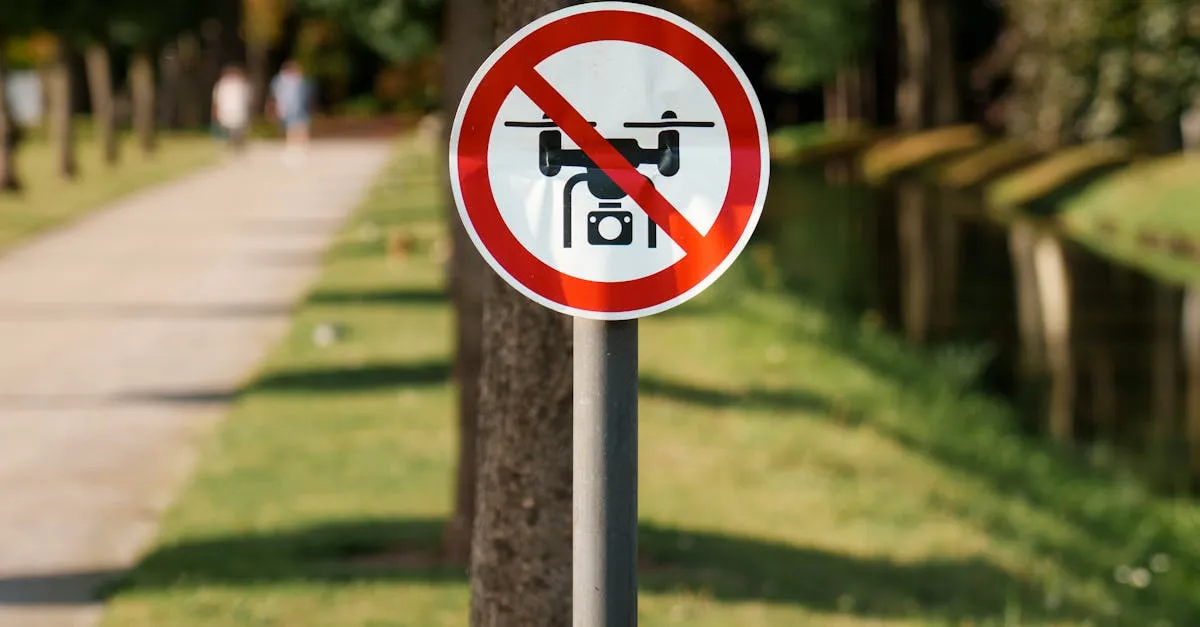
The National Park Service banned drones from all national park units in 2014 through Policy Memorandum 14-05. Every single one of the 400+ NPS sites — from Yellowstone to the Statue of Liberty — prohibits drone takeoffs, landings, and operation within park boundaries.
Why the Ban Exists
The NPS didn’t ban drones to ruin your fun. They did it for three reasons.
Wildlife disturbance. Drones generate noise that stresses animals. Studies show bears, bison, nesting birds, and marine mammals react to drone presence — often abandoning young or fleeing into dangerous terrain. National parks exist to protect these animals, and drones undermine that mission.
Visitor safety. A drone falling from 200 feet onto a crowded overlook is a serious hazard. Park trails, visitor centers, and scenic viewpoints are packed with people. The NPS isn’t willing to risk injuries.
Wilderness experience. People visit national parks to escape the noise and chaos of daily life. The buzz of drone propellers shatters that experience for everyone within earshot. The NPS prioritizes the experience of the majority over the desires of drone pilots.
The Regulation
The legal authority comes from 36 CFR 1.5, which gives park superintendents the power to restrict activities that threaten park resources or visitor safety. In 2014, the NPS director issued a system-wide policy directing all superintendents to apply this authority to drones.
This isn’t a suggestion. It’s a binding regulation enforced by park rangers.
Penalties
Getting caught flying a drone in a national park isn’t a slap on the wrist:
- Fines up to $5,000
- Up to 6 months in jail
- Confiscation of your drone
Rangers actively enforce this. They hear the propellers, they follow the sound, and they will find you. Social media posts showing illegal flights in national parks have led to citations and fines.
What Counts as a “National Park”
The ban applies to all 400+ NPS units, not just the 63 places with “National Park” in the name. This includes:
- National Monuments
- National Seashores
- National Historic Sites
- National Recreation Areas
- National Battlefields
- National Memorials
- National Preserves
If it’s managed by the National Park Service, drones are banned. Check before you fly.
The One Exception: Special Use Permits
You can get a permit for specific purposes:
- Scientific research (wildlife surveys, geological studies)
- Fire management operations
- Search and rescue missions
- Commercial filming under strict conditions
These permits require advance application, NPS review, and demonstrated need. Recreational flying is never permitted, regardless of permit type.
Flying From Outside the Park
Here’s the gray area: can you stand on non-NPS land and fly your drone over a national park?
Pilots argue that the NPS only controls the ground within its boundaries and the FAA controls the airspace above, so an overflight launched and landed outside the park shouldn’t be an NPS violation. The reality is murkier: the NPS takes the position that its 36 CFR 1.5 closures reach the airspace over the closed park units, and rangers have cited pilots for overflights on exactly that theory. Whether a court would ultimately agree is contested — this is unsettled, do-not-count-on-it territory, not a loophole.
What is not gray: if you launch, land, or operate from inside park boundaries you are clearly in violation, and if your drone goes down inside the park during an “outside” overflight, you’ve violated the ban the moment you attempt recovery — or the moment the aircraft comes to rest in the park. Some parks also sit under TFRs (Temporary Flight Restrictions), and local ordinances near park entrances may separately restrict drone operations.
State Parks Are Different
Here’s the good news: state parks are not national parks. Many state parks DO allow drone flying. Policies vary by state and even by individual park.
- California State Parks generally prohibit drones
- Utah State Parks often allow them with permits
- Arizona State Parks have mixed policies
Always check the specific park’s website or call the ranger station before flying.
Where You CAN Fly Instead
National Forests — managed by the US Forest Service (not NPS), and drones are generally permitted — except inside designated Wilderness Areas, which are off-limits, and subject to local forest closures and fire restrictions. Check the forest’s current orders before you launch.
BLM (Bureau of Land Management) land — vast open spaces where drone flying is typically allowed. Much of the American West is BLM land.
State parks that permit drones — research before you go.
Private land with permission — farms, ranches, and private property (with the owner’s consent).
Check Before You Fly
B4UFLY — now delivered through FAA-approved apps like Aloft and AutoPylot rather than a single FAA app — shows airspace restrictions, and it flags national parks among its map layers, but it won’t settle the ground-rule questions. For national parks, check the park’s official website. For state parks, call ahead.
The bottom line: national parks are off-limits for drones. No exceptions for recreational pilots. But there’s plenty of beautiful public land where you can fly legally — you just need to know where to look.
Frequently Asked Questions
Are drones allowed in national monuments and historic sites? No. The ban applies to all 400+ NPS-managed units including monuments, seashores, historic sites, and recreation areas.
Can I get permission for a YouTube video? Recreational flying is never permitted. Special use permits are reserved for scientific research, fire management, search and rescue, or strictly regulated commercial filming.
What if my drone crashes inside park boundaries? You have technically violated the ban and could face penalties. Report the incident to park rangers immediately.
Can I fly over a park from adjacent private property? It’s contested. The NPS maintains its closures cover the airspace above its parks and has cited pilots for overflights, while pilots argue only the FAA regulates airspace — courts haven’t settled it. What’s certain: crashing, landing, or recovering your drone inside the park is a violation, and some parks sit under TFRs. Treat overflights as off-limits.
Do state parks follow the same restrictions? No. State park regulations vary widely. Some prohibit drones, others allow them freely or with a simple permit.
Where can I legally fly instead? National Forests (outside designated Wilderness Areas) and BLM lands generally permit drone operations. You can also fly on private property with owner consent or at permissive state parks. Our free Getting Started with Drones Course covers where you can legally fly, how to check airspace, and everything else you need before your first flight.