Best Drone Frames for DIY Builds: Carbon Fiber vs Plastic
Carbon fiber or plastic? 5-inch or 7-inch? Your frame determines everything about your build. Here's how to choose the right one.
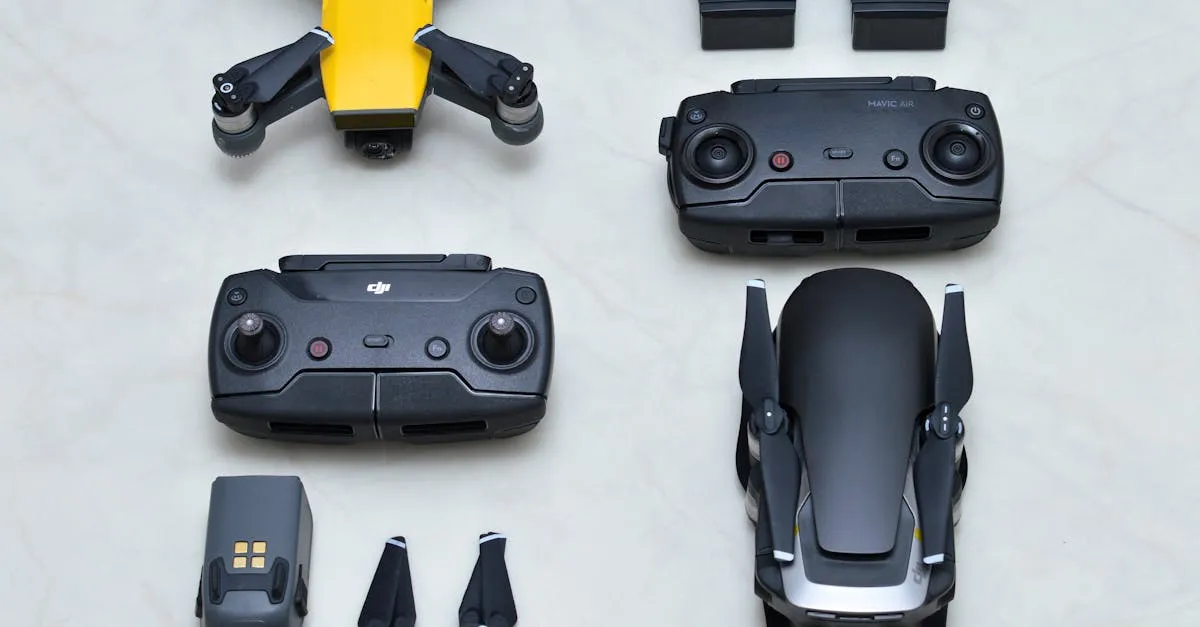
Drone frames determine the size, weight, and durability of your build. Carbon fiber excels for FPV racing and freestyle with lightweight rigidity, while plastic frames like the F450 suit budget-conscious beginners. Match frame size to your goals, from 3-inch micro drones to 12-inch heavy-lift platforms, and prioritize features like arm replacement and proper standoff height.
Your frame is the foundation of your entire build. It determines size, weight, durability, and what you can mount. Picking the wrong frame means constant issues.
Carbon Fiber Frames
Pros: Lightweight, extremely rigid, vibration-resistant, doesn’t flex under load. Keeps your flight controller gyro happy and your footage smooth.
Cons: Expensive, brittle (shatters on hard crash into concrete), sharp edges need sanding.
Best for: FPV racing, freestyle, performance builds.
Popular brands: GEPRC, iFlight, TBS (Team BlackSheep), Armattan.
Plastic/ABS Frames
Pros: Cheap, absorbs impact (bends instead of breaking), easy to modify with household tools, beginner-friendly.
Cons: Heavier, flexes under hard maneuvers, can warp over time from heat.
Best for: First builds, learning to fly, budget builds. The F450 is the classic beginner frame.
Aluminum Frames
Rarely used for modern builds. Heavy, bends permanently in crashes, and conducts electricity (short circuit risk if wires touch the frame). Mostly relegated to heavy-lift industrial platforms.
Frame Sizes Explained
| Size | Use Case |
|---|---|
| 3” (130-150mm) | Micro FPV, indoor flying |
| 5” (215mm) | Standard FPV freestyle/racing — most popular |
| 7” (280mm) | Long-range FPV |
| 10” (450mm) | Camera/platform drones |
| 12”+ (550mm+) | Heavy lift, surveying, large payloads |
Choosing the Right Frame
| Goal | Frame |
|---|---|
| FPV freestyle/acrobatics | 5” carbon fiber |
| Long-range exploration | 7” carbon fiber |
| First build/learning | F450 plastic |
| Camera platform | 450mm+ with mount space |
| Racing | 5” ultralight carbon |
| Budget build | Plastic F450 |
Key Features to Look For
- Arm replacement — Swap individual arms, not the whole frame
- Camera mount options — GoPro, RunCam compatibility
- Standoff height — Enough room for your electronics stack
- Battery mounting — Top-mount or bottom-mount with secure strap
- Antenna mounts — Built-in protection for VTX and receiver antennas
- FC mounting pattern — 20x20mm or 30.5x30.5mm to match your board
Frequently Asked Questions
Why is carbon fiber preferred for FPV racing? Carbon fiber’s lightweight and rigid properties keep the flight controller gyro stable during aggressive maneuvers, resulting in smoother footage and more responsive handling.
Are plastic frames completely useless for serious builds? Not at all. Plastic frames absorb impacts by bending rather than shattering. They’re inexpensive to replace while you develop your flying skills.
What’s the most versatile frame size for FPV? The 5-inch (215mm) frame is the most popular choice, offering the perfect balance between agility and power for both freestyle and racing.
Should I avoid aluminum frames entirely? Aluminum frames are best avoided due to their weight and tendency to bend permanently in crashes. They also pose electrical short-circuit risks if wiring contacts the conductive material.
What does standoff height mean and why does it matter? Standoff height is the space between bottom and top plates where your electronics stack sits. You need enough clearance to fit flight controller, ESC, and PDB without cramping wires.
Why is individual arm replacement important? Frames that allow swapping individual arms save money after crashes since you don’t need to replace the entire frame. This significantly reduces long-term maintenance costs.
Start your build right with our free Build Your Own Drone course.