How to Start a Drone Business: Complete Guide (2026)
Buying a drone and knowing how to fly it is 10% of the battle. Here's the other 90% — eight steps to build a profitable commercial drone operation.
To start a drone business in 2026, obtain your FAA Part 107 Remote Pilot Certificate, register each drone ($5 via FAA DroneZone), and carry at least $1 million in liability insurance. Choose a profitable niche like real estate photography ($150-400 per property) or construction monitoring ($200-500 per hour), build a portfolio, and establish a Google Business Profile to attract local clients.
So, you want to turn your love for flying drones into a real, profitable business. Welcome to the club. The commercial drone industry is booming in 2026, and there’s never been a better time to get in on the action. Businesses across every sector are realizing that aerial data, photography, and videography aren’t luxury add-ons anymore — they’re essential tools.
But let’s be completely honest: buying a drone and knowing how to fly it is only about ten percent of the battle. The other ninety percent is running an actual business. If you want to stop flying for fun and start flying for funds, you need a roadmap.
Here’s your complete, step-by-step guide.
Step 1: Get Your Part 107 Certificate
Let’s get the legal stuff out of the way first. You absolutely cannot fly a drone for money in the United States without a Remote Pilot Certificate, commonly known as the Part 107. If you do, you’re risking massive fines from the FAA. It’s non-negotiable.
To get your certificate, you need to pass the Aeronautical Knowledge Test at an official FAA testing center. The test covers airspace classification, weather, loading, flight operations, and regulations. It’s not something you can wing.
If you’re serious about passing on your first try, the Pilot Institute Part 107 Course is a fantastic resource that breaks down exactly what you need to know.
Once you have your certificate, keep it current. The certificate itself never expires, but your flight privileges last 24 calendar months — renew them with the FAA’s free online recurrent training at faasafety.gov (no testing-center visit required).
Step 2: Register Your Drone
Every drone you use for commercial purposes must be registered with the FAA. It costs $5 per drone and takes minutes through the FAA DroneZone portal.
Once you receive your registration number, it must be displayed on the exterior of your drone. Don’t hide it inside a battery compartment. The FAA is strict about this.
Additionally, Remote ID compliance is mandatory. Most modern drones like the DJI Mini 4 Pro come with built-in Remote ID. If you’re flying an older drone, you’ll need to attach a broadcast module.
Step 3: Get Insured
Flying a drone is inherently risky. Even experienced pilots face hardware failures, wind gusts, and software glitches. Drone insurance isn’t optional for a real business — it’s essential.
At a bare minimum, you need liability insurance with at least $1 million in coverage. It sounds like a massive number, but policies are surprisingly affordable.
Companies like SkyWatch and AirModo offer flexible, drone-specific policies. You can buy coverage by the hour, day, or month — perfect for pilots just starting out.
Don’t skip this step. Many commercial clients, especially in construction and real estate, will flat-out refuse to hire you without a Certificate of Insurance (COI).
Step 4: Choose Your Niche
“I’ll fly anything for anyone!” That’s the battle cry of the broke drone pilot. The secret to making money is specialization.
Here are the most profitable niches in 2026:
Real Estate Photography/Videography — The most popular entry point. Agents need aerial photos and videos to make listings stand out — one of the top ways to make money with a drone. Low barrier to entry, but competition can be high.
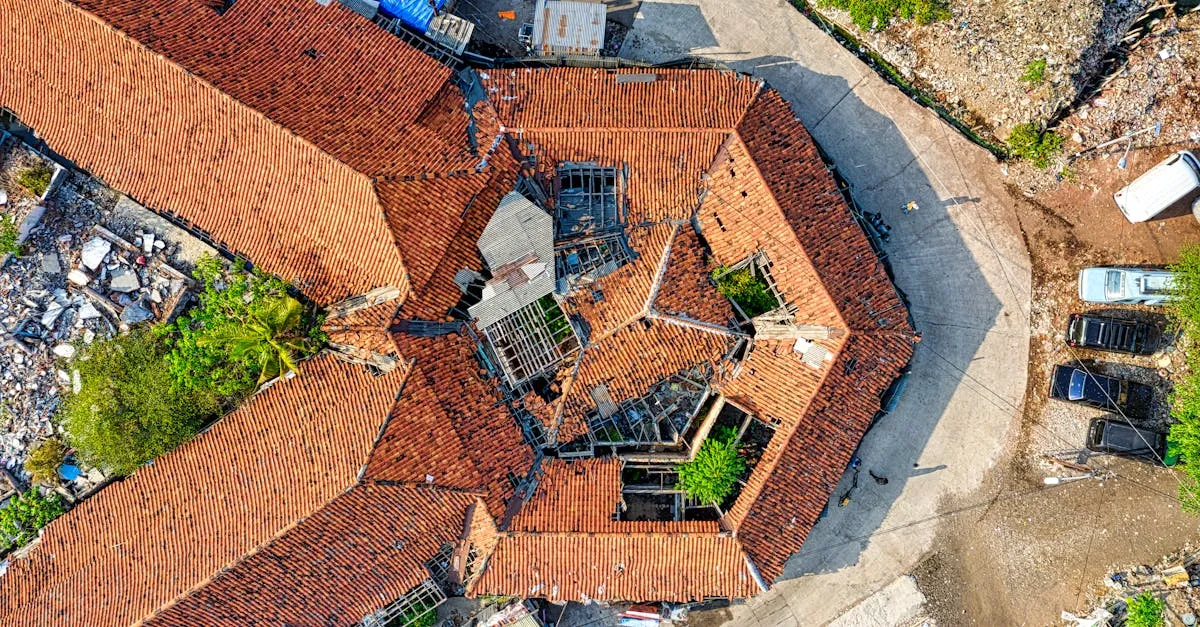
Roof and Property Inspections — Instead of sending a human up a ladder, insurance adjusters and roofing companies hire drone pilots for high-resolution imagery. Growing fast.
Construction Progress Monitoring — Weekly or monthly flights to track build progress, calculate materials, and update stakeholders. Often leads to lucrative recurring contracts.
Wedding and Events — Premium pricing for outdoor ceremonies. Requires skill to fly safely around crowds.
Mapping and Surveying — Higher barrier to entry (specialized software like Pix4D or DroneDeploy), but significantly higher pay. You’re providing actionable data, not just pretty pictures.
Stock Footage — If you love flying but hate dealing with clients, selling aerial footage to stock agencies builds passive income.
Step 5: Build Your Portfolio
Nobody will hire you based on your word. You need proof that you capture incredible footage.
When starting out, do free or heavily discounted shoots to build your demo reel. Offer to shoot a friend’s property, a local event, or a small business. Focus entirely on getting the best possible shots.
Once you have solid content:
- Create a simple website using Squarespace or Wix. You just need a place where clients can watch a one-minute highlight reel and see your pricing.
- Post on social media — Instagram and YouTube are visual platforms perfect for drone operators.
- Use before-and-after comparisons to show your value. Show a blurry ladder photo next to your crisp drone inspection image. Show a standard ground-level listing photo next to your dramatic aerial twilight shot.

Step 6: Set Your Pricing
Don’t race to the bottom on pricing. It’s tempting to offer rock-bottom rates for your first gigs, but all you do is devalue the local market and burn yourself out.
Research what established pilots in your city charge. Three common pricing models:
- Per-Project: Flat fee for a specific scope of work
- Hourly: Charging for time on-site (careful — a fast pilot gets penalized for efficiency)
- Per-Deliverable: Set amount per photo, per video, or per map
General U.S. baselines for 2026 — rates vary by market:
- Real estate: $150-400 per property (depends on size, photos vs. video vs. both)
- Commercial work (inspections, construction): $200-500 per hour
Factor in hidden costs. Your hourly rate isn’t pure profit. Account for travel time, editing time, insurance premiums, equipment maintenance, and taxes. Price to ensure you’re actually making a living wage.
Step 7: Find and Land Clients
A stunning portfolio means nothing if nobody knows you exist.
For real estate: Walk into local brokerage offices with an iPad showing your demo reel. Ask for the listing manager. Cold-call or email agents with listings that have terrible photos.
For inspections and construction: Contact property management companies, roofing companies, and construction firms. Ask who handles their site documentation or insurance claims.
Local government: Cities need drones for infrastructure inspections, park mapping, and emergency training. Check local procurement websites for RFPs (Request for Proposals).
Google Business Profile: Set one up — it’s free and incredibly powerful for local SEO. When someone searches “drone photographer near me,” you want to be the first result. Fill out your profile completely, add portfolio photos, and aggressively ask happy clients for five-star reviews.
Step 8: Scale Beyond Solo
There’s a hard ceiling on how much one person can make flying a drone. Eventually, you run out of battery cycles, daylight hours, and weekends.
Outsource post-production first. Editing photos and color-grading video takes hours. Hiring a freelance editor frees your time to fly and find new clients.
Expand your services. If you’re doing real estate photography, get thermal imaging certification and add roof inspections. If you’re doing basic mapping, learn LiDAR data processing. Adding high-tier services lets you upsell existing clients.
Bring on additional pilots. When your schedule is fully booked, hire Part 107-certified pilots on contract to handle lower-paying shoots while you manage the business and execute the big contracts. You transition from being a drone pilot to running a drone agency.
Frequently Asked Questions
Do I need to form an LLC or get a business license? FAA certification covers federal aviation requirements, but you’ll likely need a local business license and should consider forming an LLC for liability protection. Consult a local attorney or accountant to determine the best structure.
What drone should I buy to start a drone business? A reliable consumer drone like the DJI Mini 4 Pro or Air 3 with 4K video, good flight time, and built-in Remote ID. Avoid buying the most expensive model until you’ve landed paying clients and know which features your niche requires.
Can I fly drones at night for commercial work? Yes, under current Part 107 rules — night operations haven’t required a waiver since April 2021 — provided your drone has anti-collision lighting visible for at least 3 statute miles and you’ve completed night-operations training. That training is built into the current initial knowledge test and online recurrent training; pilots whose most recent training predates April 2021 need to complete the updated recurrent training before flying at night. You still must maintain visual line of sight and follow all other regulations.
How long does it take to get Part 107 certified? Most pilots spend 2-4 weeks studying before taking the knowledge test. After passing, you receive your temporary certificate immediately, with the official card arriving by mail within a few weeks.
Can I fly in controlled airspace near airports for commercial jobs? Yes, but you must obtain LAANC authorization before flying. Many areas are pre-authorized for quick approval, while others require manual review that can take several days.
How much should I charge for drone photography? Real estate shoots typically pay $150-400 per property. Commercial work like inspections and construction monitoring commands $200-500 per hour. Factor in editing time, travel, insurance, and taxes.
Starting a drone business in 2026 isn’t a get-rich-quick scheme. It takes hard work, persistence, and a willingness to put yourself out there. But if you follow these eight steps, you’ll be miles ahead of the hobbyists flying aimlessly.
If you haven’t passed your Part 107 yet, stop putting it off. Enroll in our free Part 107 Complete Course today. If you already have your license and want the exact blueprint for pricing, landing clients, and scaling, check out our free Drone Business Course.