Part 107 Pass Rate: Why People Fail (and How Not To)
The pass rate is solid, but the ones who fail all make the same mistakes. Here's how to avoid them and walk out with your certificate.

The Part 107 exam has a solid pass rate, but first-timers often fail because they underestimate airspace and weather topics or rely on memorizing practice questions. To pass on your first attempt, dedicate two to three weeks studying using multiple resources, focus heavily on sectional charts, and take timed practice exams.
So you’re thinking about getting your FAA Part 107 drone license. Whatever your motivation, there’s one thing standing between you and that certificate: the exam. And you’ve probably heard the rumors about people failing.
Let’s talk about the real numbers and how to make sure you pass on the first try.
What’s the Real Pass Rate?
The FAA doesn’t publish a single headline pass rate for the exam, so the numbers floating around come from test-prep providers tracking their own students — those reports generally land in the 85-92% range. And that number includes people retaking the test — sometimes their second or third attempt — and professional pilots who already understand aviation concepts.
For first-timers with zero aviation background, the pass rate is probably lower than those numbers suggest. Not dramatically lower, but enough that you shouldn’t walk in thinking it’s guaranteed.
The good news? This exam is absolutely passable with the right preparation. The bad news? A lot of people prepare the wrong way.
Why People Actually Fail
The failures almost always come down to three things.
Airspace. This is the number one killer. If you don’t understand Class B, C, D, E, and G airspace dimensions and how to read sectional charts, you’re going to struggle. The FAA loves testing this because it’s important for safety. You need to know how high you can fly in different airspace types, what permissions you need, and how to decode chart symbols.
Weather. You won’t be predicting thunderstorms, but you need basic weather theory. What causes fog? Stable vs unstable air? How to read a METAR or TAF? Density altitude? A lot of people skim weather thinking it won’t be heavily tested, then faceplant.
Memorizing answers instead of understanding concepts. There are practice tests out there, and some people just memorize question-answer pairs. The FAA regularly updates their question bank and rephrases things. If you memorized “the answer is C” but don’t understand why, you’ll get burned when they ask the same concept differently.
The Test Format
The Part 107 exam is 60 multiple-choice questions with 2 hours to complete. To pass, you need 70% or higher — meaning you can miss up to 18 questions and still pass.
Each question has three possible answers (A, B, C). Questions are drawn from a pool, so no two tests are identical. Topics include regulations, airspace, weather, loading and performance, emergency procedures, crew resource management, radio communications, physiology, aeronautical decision making, airport operations, and maintenance.
Study Tips That Actually Work
Start early. Give yourself 2-3 weeks of consistent study time. Cramming the night before doesn’t work for this exam.
Use multiple resources. Different instructors explain things differently. Hearing the same concept explained three ways is often what makes it click.
Focus heavily on airspace and weather. These two topics account for roughly 40-50% of the exam. Nail these and you’re in great shape.
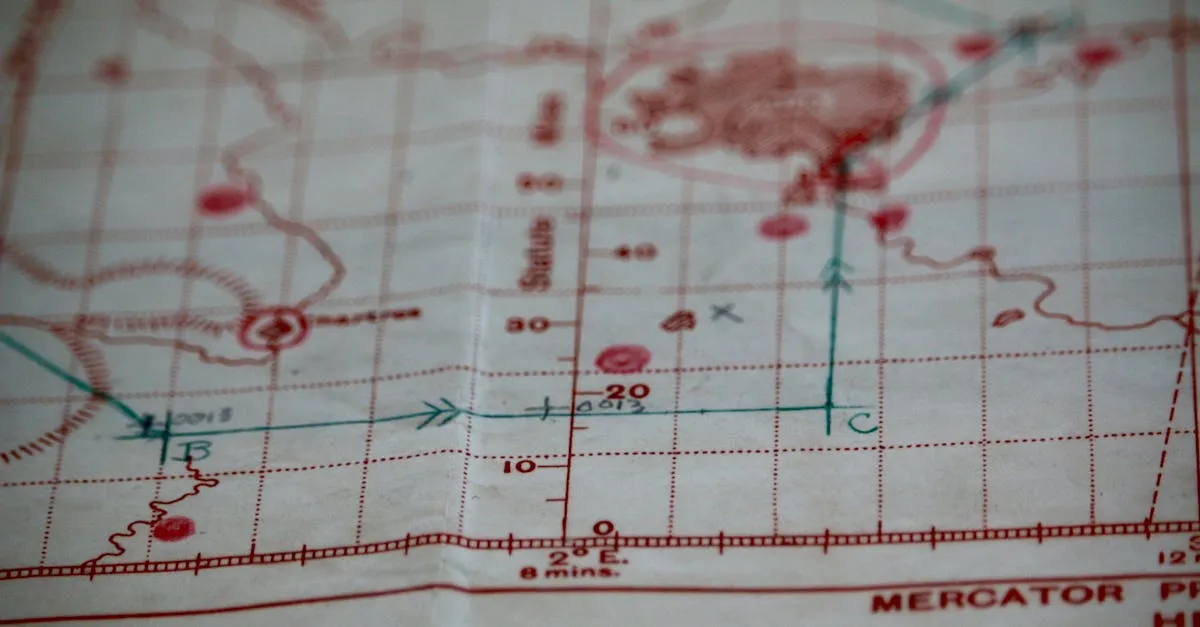
Learn to read sectional charts for real. Don’t just look at them — practice. Download the FAA’s free sectional chart and quiz yourself on symbols. Use interactive apps that make chart study hands-on.
Take full practice exams under timed conditions. This builds stamina and comfort with the format. If you’re consistently scoring 80%+, you’re ready.
Don’t ignore the “easy” topics. Crew resource management and physiological effects might seem like common sense, but the FAA has specific answers they want. Learn their terminology.

Test Day Strategies
The day before: light review, no cramming. Get your government-issued photo ID ready, figure out directions, sleep well.
Arrive early. Testing centers have paperwork. You’ll empty your pockets into a locker — no phones, smartwatches, or notes.
When you start, read each question carefully. The FAA includes subtle wording differences. Don’t rush, but don’t overthink.
If you get stuck, flag it and move on. Answer everything you know first, then go back. There’s no penalty for guessing, so never leave a question blank.
Watch for words like “always,” “never,” “except,” and “most” — these change the meaning significantly.
Your score appears immediately after submitting. The certificate takes one more step: back home, you complete the FAA Form 8710-13 application in IACRA (the FAA’s online certification system). Once your TSA security background check clears — usually within a day or two — you get a confirmation email with instructions for printing your temporary remote pilot certificate straight from IACRA. The permanent card arrives by mail several weeks later.
Frequently Asked Questions
What is the actual pass rate? The FAA doesn’t publish one official figure; test-prep providers report first-pass rates roughly in the 85-92% range, which includes repeat test-takers and experienced pilots. The rate for first-timers with no aviation background is likely lower.
What are the main reasons people fail? Lack of understanding regarding airspace classifications and weather theory. Memorizing practice answers instead of learning underlying concepts fails when questions are rephrased.
How is the exam structured? 60 multiple-choice questions with three possible answers each. Two hours to complete it. Must score at least 70%, meaning you can miss up to 18 questions.
How should I prepare for sectional chart questions? Actively practice reading charts rather than just looking at them. Download free FAA sectional charts and use interactive apps to quiz yourself on symbols and airspace dimensions.
What should I do on test day? Arrive early with government-issued photo ID. Store your phone and watch in a locker. Read questions carefully, flag difficult ones for later, and never leave a question blank since there’s no guessing penalty.
When do I get my results? Your score appears on screen immediately after submitting. For the certificate itself, submit FAA Form 8710-13 through IACRA after passing; once the TSA background check clears, you’ll get an email letting you print your temporary remote pilot certificate from IACRA. The permanent card arrives in the mail a few weeks later. Our free Part 107 Course covers every topic on the exam with practice questions at the end of each section.