Drone Risk Management: Pre-Flight Safety Assessment
Every flight carries risk. A structured pre-flight assessment keeps you safe, legal, and prepared for the unexpected.
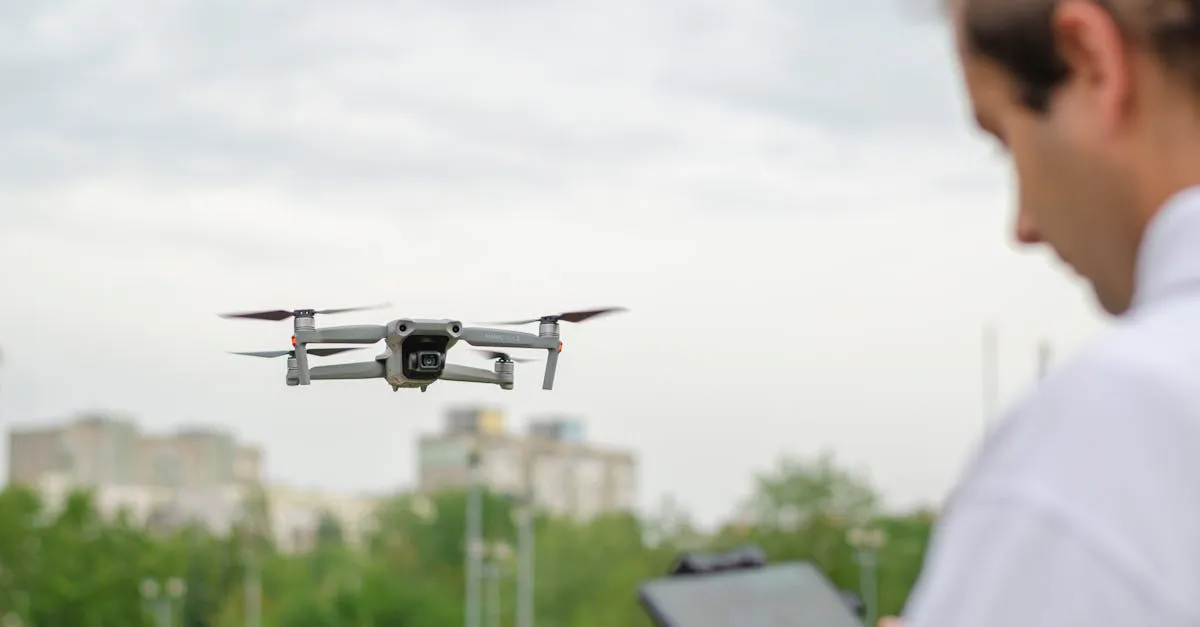
Drone risk management requires a structured five-step pre-flight assessment covering weather, airspace verification, site hazard identification, equipment inspection, and emergency planning. Using a risk matrix helps pilots evaluate whether to proceed or cancel, ensuring legal compliance, equipment protection, and bystander safety before every launch.
Every time you launch a drone, you’re piloting an aircraft in a shared, dynamic environment. Drone risk management and a rigorous pre-flight safety assessment are non-negotiable skills for every remote pilot.
Why Risk Management Matters
Skipping a pre-flight check might save five minutes but cost you dearly:
- Legal liability: Reckless operation leads to FAA fines, revoked certifications, and civil lawsuits
- Equipment damage: Crashing into unseen obstacles means significant financial loss and potential secondary damage
- Personal injury: Spinning propellers or falling batteries can cause severe injuries to bystanders
The 5-Step Pre-Flight Assessment
1. Weather Check
Don’t just look outside. Check METARs and TAFs for wind speed, gusts, visibility, cloud ceiling, and precipitation. Ground wind and wind at 200 feet are entirely different. If conditions exceed your drone’s operational limits, don’t fly.
2. Airspace Verification
Use an FAA-approved B4UFLY app such as Aloft or AutoPylots to verify your location. Check for controlled airspace, TFRs, stadium NOTAMs, and local ordinances. If in controlled airspace, ensure LAANC authorization is secured before takeoff.
3. Site Hazards
Walk or scan the flight environment. Look for overhead obstructions (power lines, towers, tree branches), ground hazards (uneven terrain, water), and non-participants (people, vehicles, animals). Maintain a safe buffer distance.
4. Equipment Check
- Airframe: cracks, loose screws
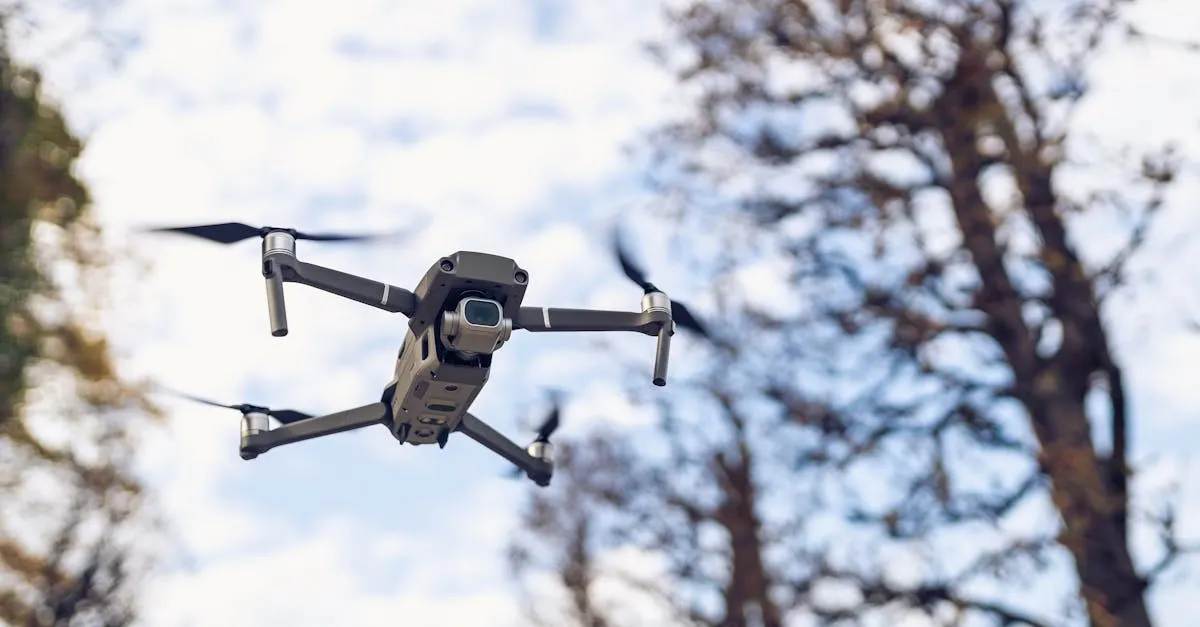
- Propellers: chips, cracks, hairline fractures
- Batteries: fully charged, no swelling or damage
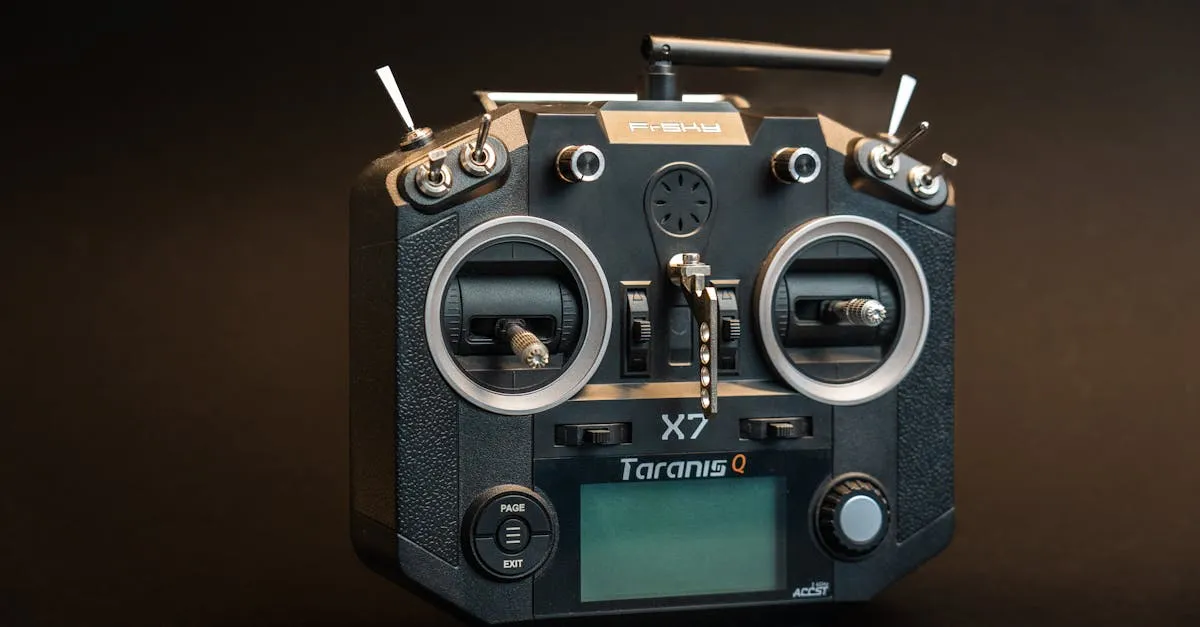
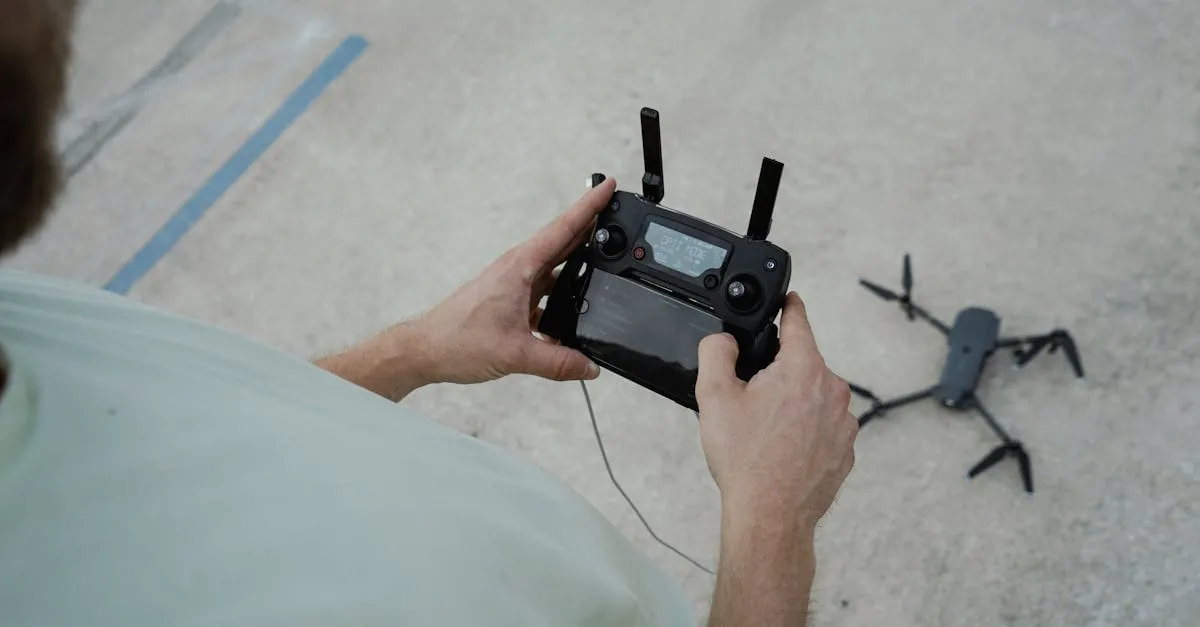
- Controller: bound, GPS lock, compass calibration, firmware current
5. Emergency Plan
What’s your RTH altitude, and is it clear of obstacles? Where does the drone land if signal is lost? What’s your controlled crash zone? Knowing procedures before takeoff prevents panic during anomalies.
Risk Matrix
| Negligible | Moderate (Damage/Minor injury) | Catastrophic | |
|---|---|---|---|
| Unlikely | Low | Low | Medium |
| Possible | Low | Medium | High |
| Likely | Medium | High | Unacceptable |
If a hazard falls into “High” or “Unacceptable,” mitigate the risk or cancel the flight.
Pre-Flight Checklist
- Weather: METARs checked, winds within limits, no precipitation
- Airspace: B4UFLY app (Aloft/AutoPylots) verified, LAANC authorized, no TFRs
- Site: Clear of overhead wires, launch/land zone established
- People: Non-participants cleared from flight path
- Hardware: Frame inspected, props secure, no loose screws
- Power: Batteries charged, controller charged, SD card formatted
- Software: Firmware updated, geofencing active
- Calibration: GPS lock (8+ satellites), compass calibrated
- RTH: Altitude set above all surrounding obstacles
When to Cancel
Cancel or delay immediately if:
- Weather shifts beyond operational limits
- Airspace authorization cannot be secured
- Safe distance from bystanders cannot be maintained
- Equipment fails any check (chipped prop, compass errors, weak GPS)
- Heavy RF interference detected near launch site
- You feel rushed, uncomfortable, or unsure
Frequently Asked Questions
What weather factors should I check before flying? Check METARs and TAFs for wind speed, gusts, visibility, cloud ceiling, and precipitation. Ground wind differs from wind at 200 feet, so verify conditions at flight altitude against operational limits.
How do I verify airspace authorization? Use an FAA-approved B4UFLY app such as Aloft or AutoPylots to check for controlled airspace, TFRs, stadium NOTAMs, and local ordinances. Secure LAANC authorization before takeoff if flying in controlled airspace.
What should I look for during a site hazard assessment? Overhead obstructions like power lines and towers, ground hazards like uneven terrain and water. Identify all non-participants and maintain safe buffer distances from all hazards.
What equipment items must be inspected? Airframe for cracks and loose screws, propellers for chips or fractures, batteries for full charge and no swelling. Verify controller binding, GPS lock, compass calibration, and current firmware.
When should a pilot cancel a flight? Cancel if weather shifts beyond limits, airspace authorization can’t be secured, safe distance from bystanders can’t be maintained, equipment fails any check, or you feel rushed or unsure.
What emergency procedures before takeoff? Set Return-to-Home altitude above all surrounding obstacles and verify it’s clear. Determine where the drone will land if signal is lost and identify a controlled crash zone. No photo, inspection, or deadline is worth a crash or injury. Learn to fly safely and legally in our free Part 107 Course.