DJI Mini 4 Pro vs Air 3 vs Mavic 3 Classic: Which to Buy
Three popular DJI drones at three very different price points. Here's how they actually compare in real-world use.
The Mini 4 Pro suits casual flyers wanting portability without registration paperwork. The Air 3 offers serious hobbyists creative flexibility through its dual-camera system. The Mavic 3 Classic delivers professional image quality for paid work where output directly impacts income.
One thing to know before shopping: DJI has since discontinued both the Air 3 and the Mavic 3 Classic. The Air 3 is succeeded by the Air 3S and the Mavic 3 Classic by the Mavic 4 Pro, so this comparison is most useful if you are weighing a used or refurbished Air 3 or Mavic 3 Classic against a new Mini 4 Pro. The core trade-offs — portability versus dual cameras versus a big 4/3 sensor — carry over to the current lineup.
Weight and Registration
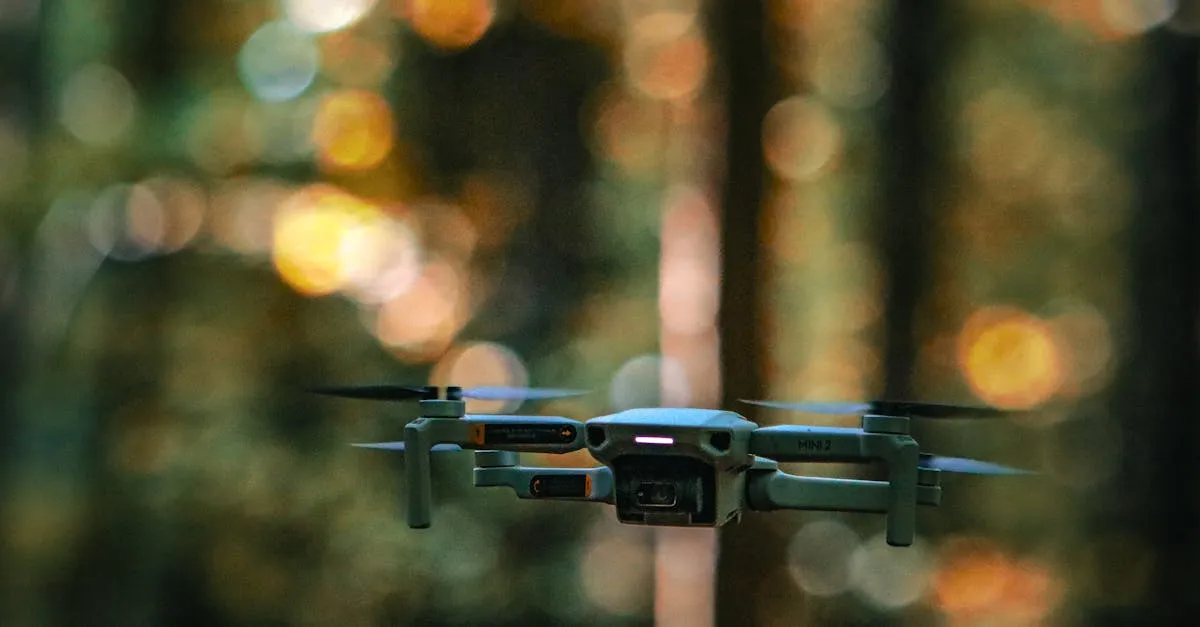
Drones under 250 grams don’t require FAA registration for recreational flying in the US. The Mini 4 Pro hits that number at exactly 249 grams — DJI engineered it to be one gram under the limit. Buy it, charge it, fly at the park. No paperwork.
The Air 3 (720g) and Mavic 3 Classic (895g) both require registration, no exceptions. You’ll need to mark your drone with your registration number and follow all associated rules. For commercial work under Part 107, you register everything regardless of weight — so this only matters for recreational pilots.
Camera Quality
This is where the decision gets real.
Mini 4 Pro: 1/1.3-inch sensor, 4K/60fps video, 48MP stills. In good lighting, you’d be hard-pressed to distinguish its footage from more expensive drones. Great for social media, cinematic drone video, real estate listings, and vacation memories.
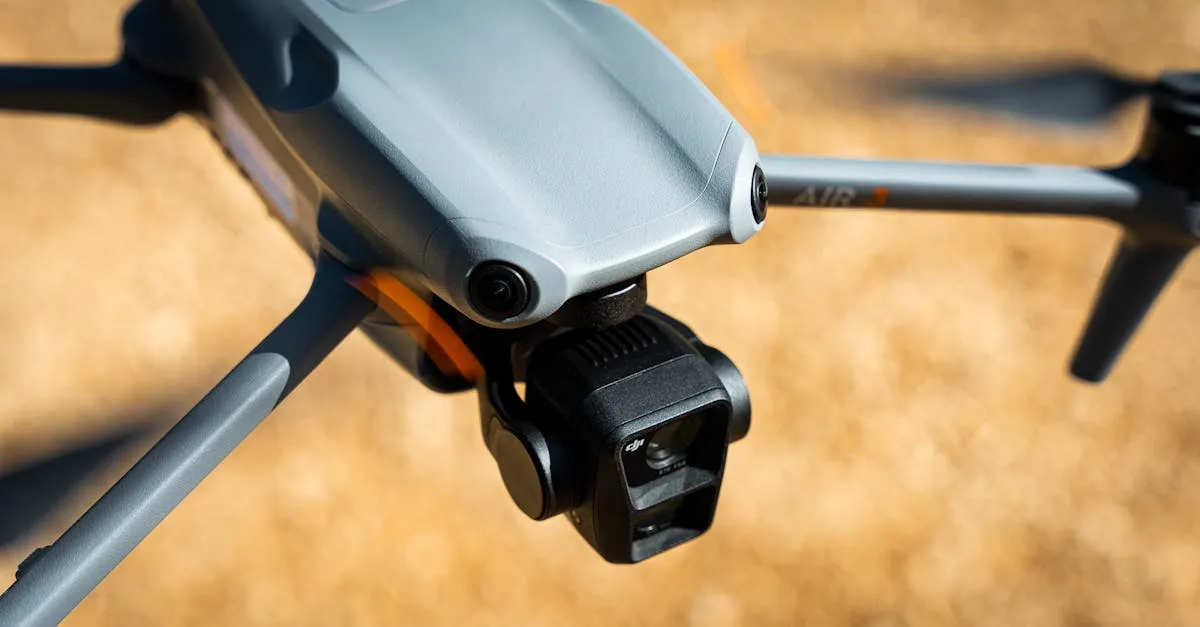
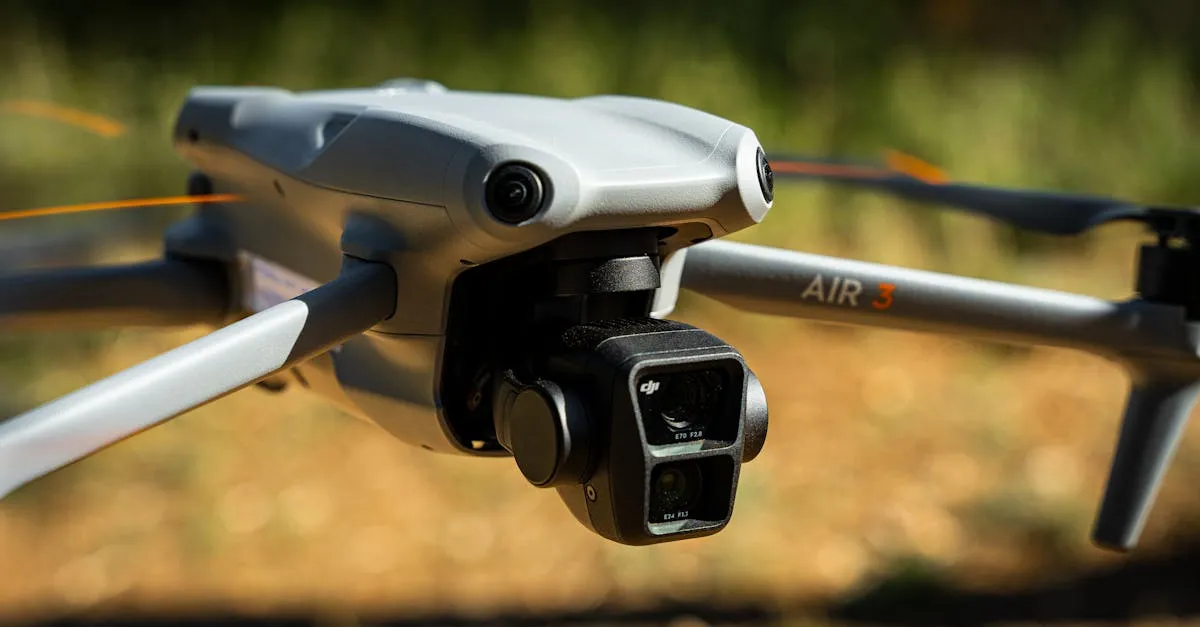
Air 3: Dual cameras — a 24mm wide-angle and a 70mm medium telephoto, both with 1/1.3-inch sensors shooting 4K/60fps. That telephoto lens is a game-changer. Want to compress a landscape so mountains look closer together? Get a shot of a building without flying directly over it? The second focal length opens creative possibilities the Mini can’t match.
Mavic 3 Classic: 4/3 CMOS sensor (the same size as many mirrorless cameras) shooting 5.1K video with Hasselblad color science. The larger sensor handles low light dramatically better, dynamic range is noticeably wider, and colors require less grading to look professional. This is what you buy when clients are paying you.
Flight Time
The Mini 4 Pro delivers about 34 minutes per battery (25-28 minutes in real-world conditions with wind and safety buffers).
The Air 3 and Mavic 3 Classic both claim 46 minutes. In practice, expect 35-40 minutes of usable flight. If you’re shooting a real estate property and need continuous coverage, the difference between swapping batteries twice versus four times matters.
Obstacle Avoidance
All three feature omnidirectional obstacle sensing, but the implementation differs.
Mini 4 Pro: Solid sensing that stops you from flying into trees and buildings. What most pilots need.
Air 3: Adds APAS (Advanced Pilot Assistance Systems), which actively routes the drone around obstacles instead of just stopping. Smoother pathing.
Mavic 3 Classic: APAS 5.0 — arguably the best obstacle avoidance in consumer drones. Handles dense forests and urban canyons with impressive composure.
Portability
The best drone is the one you actually bring with you.
Mini 4 Pro folds small enough to fit in a jacket pocket. You can bring it everywhere without planning ahead.
Air 3 needs a small backpack or dedicated case. Not huge, but you’ll think about it before heading out.
Mavic 3 Classic requires a larger backpack. This is a drone you pack for a shoot, not one you carry “just in case.”
Who Should Buy What
Mini 4 Pro ($1,099 with the DJI RC 2 controller; earlier RC-N2 bundles sold for less) — Travel, casual flying, real estate agents, anyone who values portability. Great footage without the weight. Still a current model.
Air 3 (discontinued; shop used or refurbished) — Serious hobbyists wanting creative flexibility. That dual camera system genuinely changes how you frame shots. Its successor, the Air 3S, adds a 1-inch main sensor and sells for $1,259.
Mavic 3 Classic (discontinued; used market only) — Working professionals shooting commercials, luxury real estate, or any content where image quality directly impacts income. The current flagship successor is the Mavic 4 Pro at $2,145.
Each step up brings capabilities that justify the cost — but only if you’ll actually use them.
Frequently Asked Questions
Does the Mini 4 Pro really avoid FAA registration? Yes, at exactly 249 grams it’s one gram under the recreational exemption threshold. Commercial Part 107 pilots must register all drones regardless of weight.
What makes the Air 3’s second camera valuable? The 70mm telephoto lens lets you compress landscapes and capture buildings without flying directly overhead, opening creative options impossible with single-camera drones.
Why pay more for the Mavic 3 Classic’s larger sensor? The 4/3 CMOS sensor handles low light better and produces wider dynamic range with Hasselblad color science. This matters when clients expect professional footage.
How accurate are battery life claims? Expect 25-28 minutes from the Mini 4 Pro and 35-40 minutes from the other two in real conditions. Wind and safety buffers significantly reduce advertised numbers.
Is upgraded obstacle avoidance worth the extra cost? The Mini’s sensing prevents most collisions, but APAS 5.0 on the Mavic 3 actively routes around obstacles. The difference matters for challenging shots in forests or urban areas.
How portable is each drone? The Mini 4 Pro fits in a jacket pocket. The Air 3 needs a small bag. The Mavic 3 Classic requires dedicated backpack space and deliberate planning.
Our free Getting Started with Drones Course helps you choose the right drone and get flying.