Best Beginner Drones 2026: What to Buy First
Five drones that hit the sweet spot between easy to fly and actually worth owning. From budget practice rigs to the one you'll keep for years.
The best beginner drones in 2026 need GPS, Return-to-Home, a 3-axis gimbal, and should be under 250 grams — see our best drones under $500 roundup for current picks. The DJI Mini 4 Pro leads with obstacle sensing and 4K footage. Budget options like the Holystone HS175D work for practice, but avoid cheap toy drones entirely.
Walking into the drone market in 2026 is overwhelming. Every manufacturer claims their drone is “perfect for beginners.” Most aren’t. Here’s what actually matters and which drones deliver.
What Makes a Good Beginner Drone
GPS and Return-to-Home. Without GPS, a drone drifts with every gust and you have to constantly fight the controls. GPS lets the drone hover in place hands-free. Return-to-Home (RTH) is your panic button — one press and the drone flies back to where it took off. Non-negotiable for beginners.
Under 250 grams. In the US, drones under 250g flying recreationally don’t require FAA registration. For commercial work (Part 107), you always register regardless. But if you’re just starting, sub-250g saves paperwork.
A 3-axis gimbal. Cameras on fixed mounts produce nauseating shaky footage. A mechanical gimbal stabilizes the camera independently from the drone body, giving you smooth video even during movement.
Stability in wind. Toy drones get blown around like leaves. A good beginner drone has enough weight and a decent flight controller to handle a mild breeze.
The Top Picks
DJI Mini 4 Pro — Best Overall
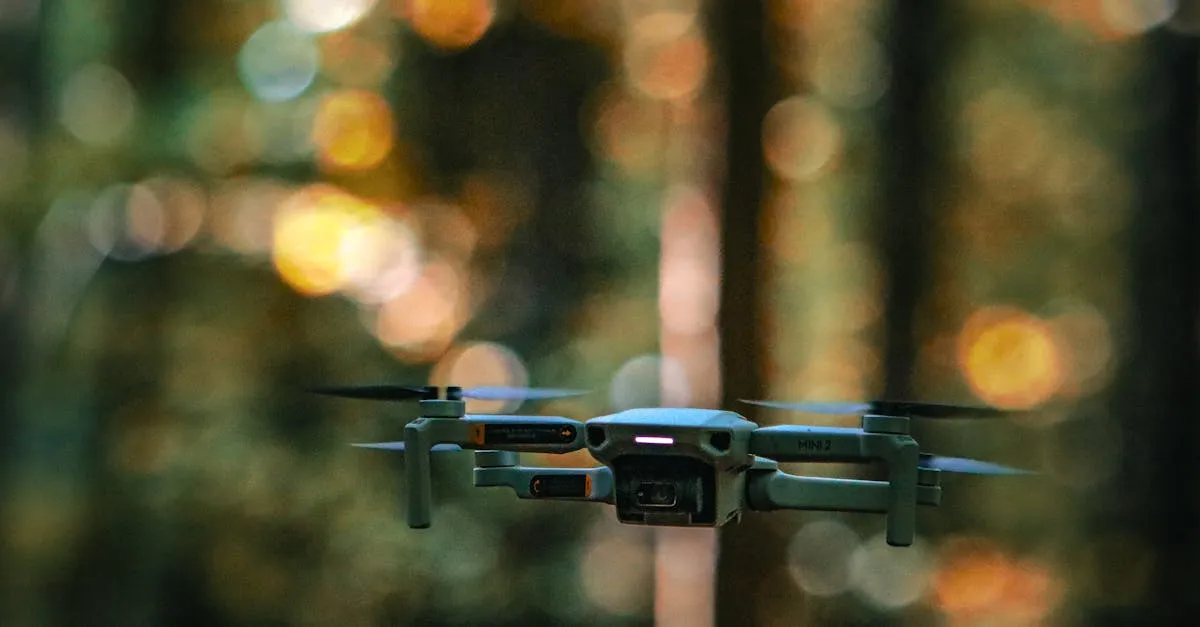
The undisputed king of beginner drones. At 249 grams, it skirts registration requirements while packing omnidirectional obstacle sensing (front, back, sides, top, bottom). About to hit a tree? It stops itself. The 4K camera with a 1/1.3-inch sensor captures stunning detail. 34-minute flight time. ActiveTrack for following subjects automatically. It’s the only drone most people will ever need.
DJI Mini 3 — Best Value
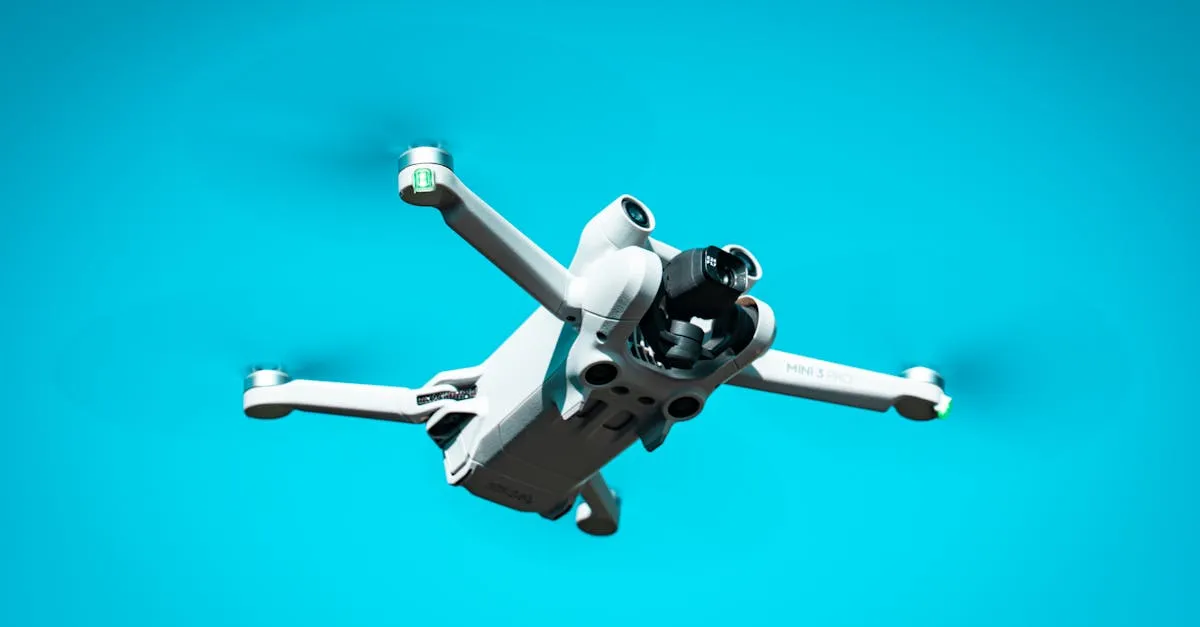
Same incredible camera sensor as the Mini 4 Pro — your photos and videos look virtually identical. Where DJI cuts cost: no obstacle avoidance at all (the base Mini 3 has none — obstacle sensing arrives on the Mini 3 Pro and Mini 4 Pro), and no advanced tracking modes. You fly it entirely by eye. Still has GPS, RTH, and 38-minute flight time. The best bang-for-your-buck camera drone available.
DJI Air 3 — Best for Serious Beginners
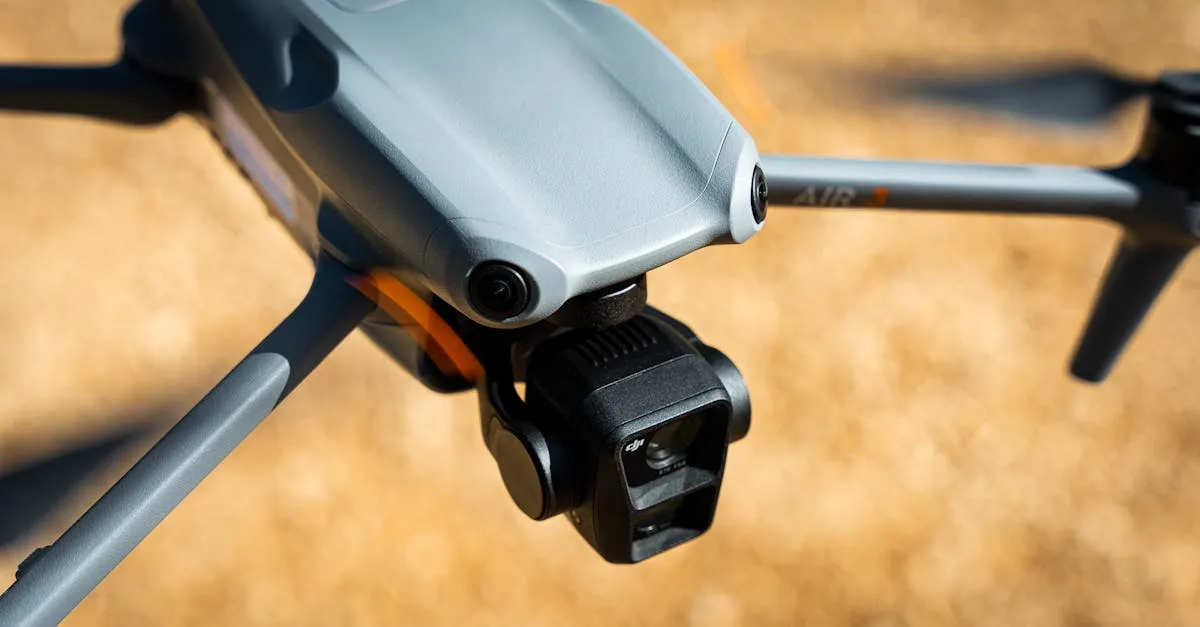
At 720 grams, this requires FAA registration. But it features a dual-camera system (wide-angle and 3x telephoto) that gives you cinematic framing the Minis can’t match. 46-minute flight time. 4K/60fps. Much more stable in high winds. If you know you’re going to take this hobby seriously, skip the Mini phase entirely.
Holystone HS175D — Best Budget Practice Drone
Under $150 and under 250g. Has GPS and RTH, which puts it ahead of every toy drone on Amazon. The 4K camera uses a 2-axis gimbal (no pan stabilization), so footage isn’t as smooth as DJI. Shorter range, less polished app. But for learning GPS flight, composition, and basic piloting without risking $400+, it’s ideal.
BetaFPV Cetus Pro — Best for FPV Beginners
Everything else on this list is a “cinematic” drone — you fly by looking at a screen showing the camera view. The Cetus Pro is FPV (First Person View). You wear goggles and see from the drone’s perspective. Completely different experience — more like a video game than photography. This kit includes drone, controller, and goggles. Designed for indoor practice and grassy fields. Not a great camera drone, but if you want to fly fast and do flips, start here.
Don’t Buy Toy Drones
Those $30 drones at the mall? They lack GPS, so they drift constantly. No RTH, so when you lose orientation (and you will), the drone is gone. No gimbal, so every video looks terrible. They teach bad habits because you’re fighting the drone instead of learning to fly. Spend $150 minimum for something with GPS.
Budget for Extras
Don’t blow your entire budget on the drone itself.
- Extra batteries — Flight times are 25-45 minutes. That goes fast. Budget for at least one spare.
- MicroSD card — Get a name-brand V30 speed card (SanDisk Extreme, Samsung Evo Plus). 128GB minimum for 4K.
- ND filters — Sunglasses for your drone lens. They create cinematic motion blur instead of choppy video. About $20-40.
- Landing pad — A $15 folding pad keeps dirt and grass off your gimbal during takeoff and landing.
Frequently Asked Questions
Why is GPS essential for beginner drones? GPS allows drones to hover in place hands-free without drifting with wind. Combined with Return-to-Home, it provides a crucial safety net when you lose orientation or control.
Do I need to register a drone under 250 grams? In the US, drones under 250g flown recreationally don’t require FAA registration. However, commercial work under Part 107 requires registration regardless of weight.
What’s the difference between DJI Mini 4 Pro and Mini 3? Both share the same camera sensor, but the Mini 4 Pro adds omnidirectional obstacle avoidance and advanced tracking. The Mini 3 saves money by omitting obstacle avoidance entirely — you get no sensors in any direction.
Why should I avoid cheap toy drones? Toy drones lack GPS stabilization, so they drift constantly and teach bad piloting habits. Without Return-to-Home, losing orientation means losing the drone permanently.
Is the DJI Air 3 worth the extra cost? The Air 3 weighs 720 grams and requires registration, but offers dual cameras including a 3x telephoto. It’s ideal if you’re certain drone photography will become a serious hobby.
What accessories should I budget for? Extra batteries are essential since flight times run 25-45 minutes. Also budget for a V30 MicroSD card (128GB minimum for 4K), ND filters for cinematic motion blur, and a landing pad.
Our free Getting Started with Drones Course covers everything from choosing your first drone to your first flight.