Best Drone for Cinematic Video in 2026
The gap between amateur drone video and cinematic footage isn't about expensive gear. It's about understanding the principles and choosing the right tool.
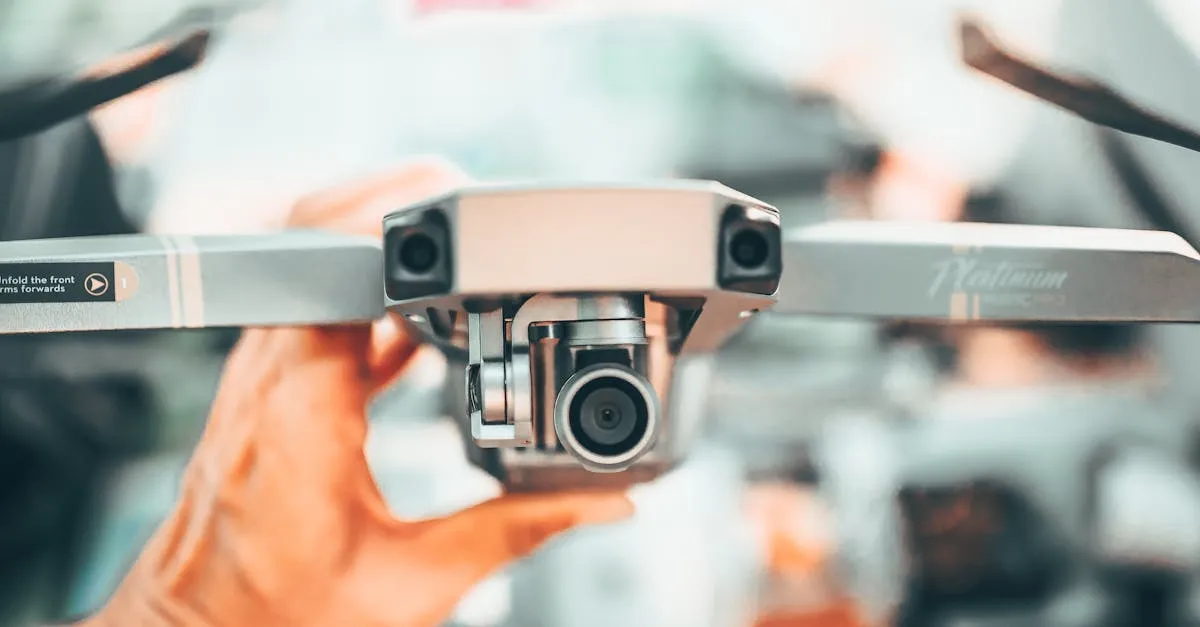
The best drone for cinematic video depends on your needs. The $1,259 DJI Air 3S is the best overall, while the $2,145 DJI Mavic 4 Pro offers ultimate quality. For portability, the $1,099 DJI Mini 4 Pro (with DJI RC 2 controller) excels, and the DJI Avata 2 (from $849 as part of its Fly More Combo) is top for FPV cinematic shots.
If you’ve ever watched a drone shot in a film or commercial and thought, “Why doesn’t my footage look like that?” — you’re not alone. The gap between amateur drone video and truly cinematic footage isn’t about expensive gear. It’s about understanding the principles behind cinematic imaging and choosing the right tool for the job.
What Makes Drone Footage “Cinematic”?
Stable, Slow Movements
The most common mistake? Flying too fast and too erratically. Cinematic drone work is smooth, deliberate movements. Slow push-ins, gentle reveals, sweeping lateral passes. The camera should feel like it’s floating on air, not fighting against it — pick the right airframe in our drone buyer’s guide. Sometimes the best move is barely a move at all — a slow 10-second drift can be more powerful than a chaotic 3-second flythrough.
Proper Shutter Speed with ND Filters
Your drone’s auto mode will push shutter speed way too high on sunny days, resulting in choppy, stuttery, distinctly “video-like” footage. The solution is the 180-degree shutter rule: shutter speed should be double your frame rate. Shooting at 24fps? Aim for 1/48th of a second. 60fps? 1/120th.
But how do you get a slow shutter speed on a bright day without overexposing? ND filters are mandatory. They reduce light entering the lens without affecting color, allowing proper shutter speed. Without ND filters, cinematic footage is nearly impossible in daylight. Period.
Good Color Science and Flat Profiles
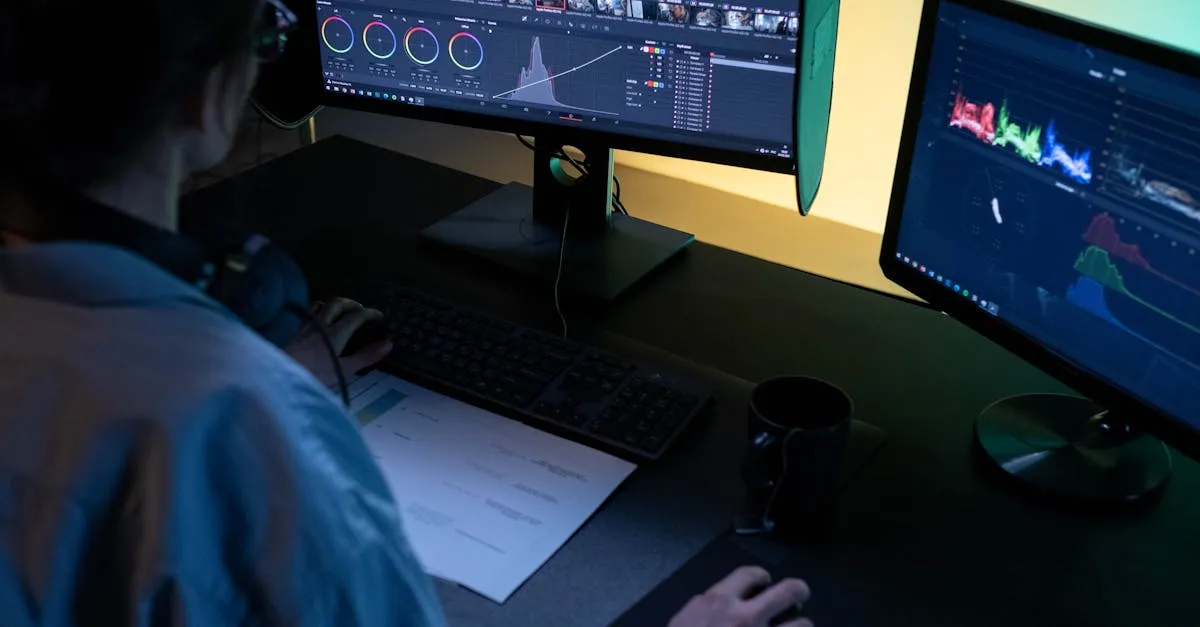
Raw footage shouldn’t look “good” — it should look flat, desaturated, and somewhat lifeless. You want maximum dynamic range for color grading in post. DJI’s D-Log and D-Log M profiles compress highlights and shadows, preserving detail that would otherwise be lost.
Good color science — how the sensor renders color — is also crucial. Some drones render skin tones, foliage, and skies more naturally. It’s subtle, but it’s the difference between footage that feels organic and footage that feels artificial.
Composition and Camera Angles
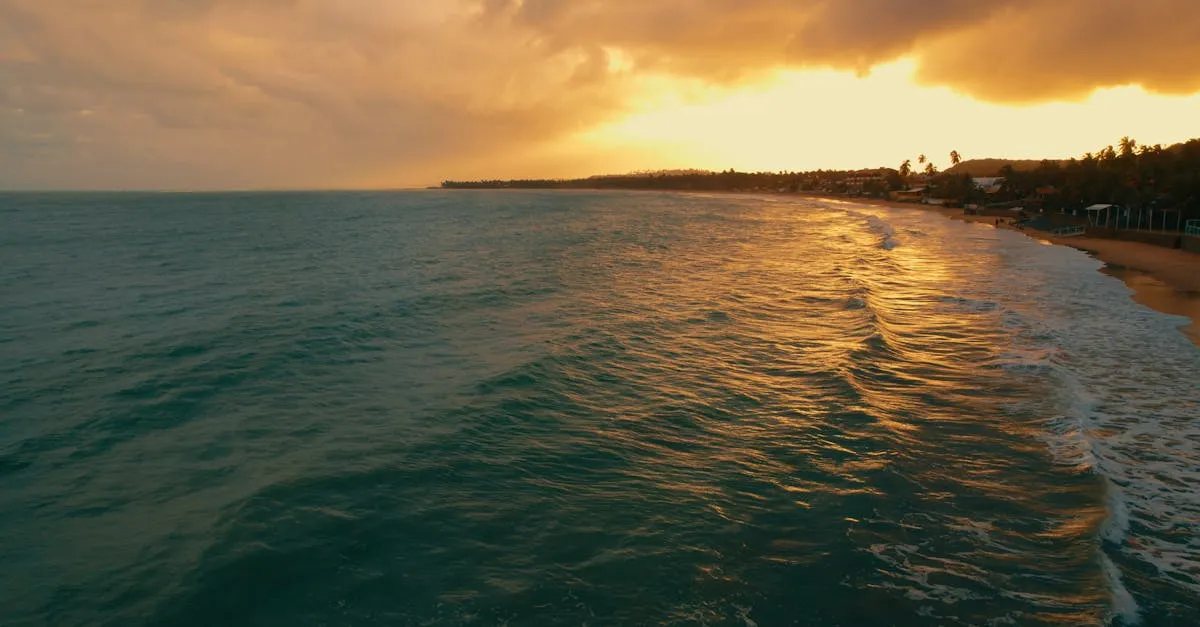
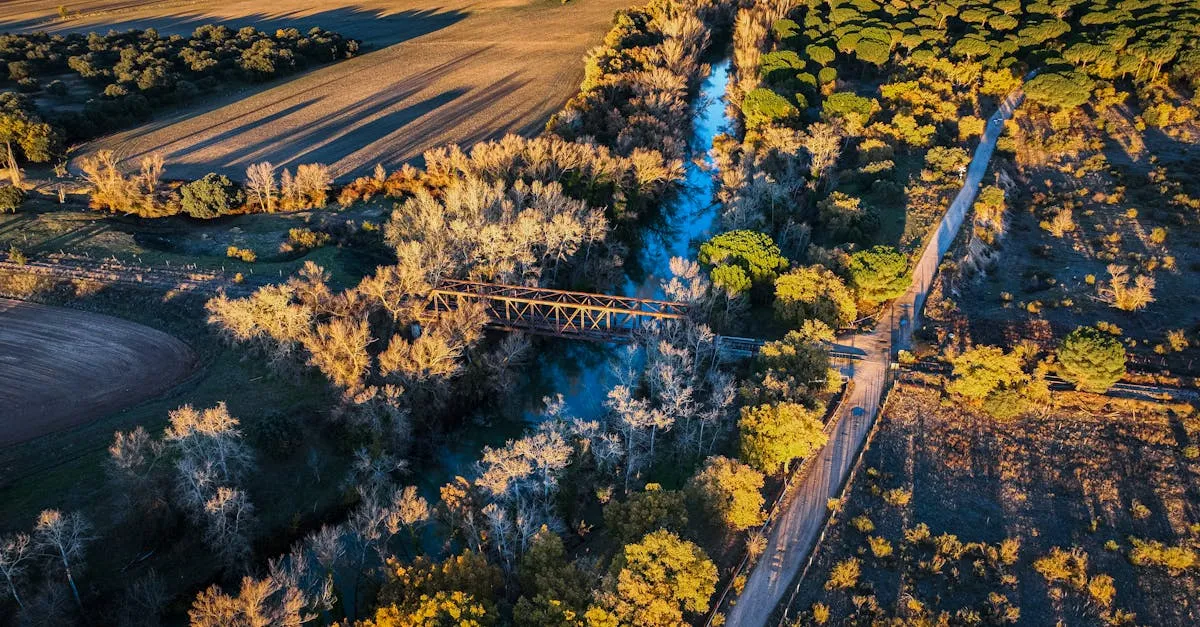
The technical settings mean nothing if composition is weak. Use leading lines, rule of thirds, foreground interest, and intentional camera angles. Instead of always flying high and looking down, try low-angle shots that reveal a subject as you ascend. Fly through gaps in trees, skim over water, use buildings to frame your subject. The best cinematic pilots treat the sky as just another camera position, not a novelty.
The Best Drones for Cinematic Video in 2026
DJI Air 3S — Best Overall
$1,259 — Shop DJI Air 3S
The sweet spot for most filmmakers and content creators. Dual cameras — a 24mm wide-angle built around a 1-inch sensor and a 70mm medium telephoto — both recording 4K/60 with 10-bit D-Log M, with 4K/120 slow-motion capture available on either camera.
That telephoto lens is a game-changer. Compressed perspective shots make backgrounds feel closer to your subject, creating that “cinema look” wide-angle lenses can’t replicate. Tracking shots where the subject stays sharp while the background blurs past — classic cinematic imagery.
Wind handling is excellent. Battery life is solid. Folded size fits in a backpack. For filmmakers who want one drone that handles 90% of cinematic scenarios, the Air 3S is the answer.
DJI Mini 4 Pro — Best Portable Cinematic Drone
$1,099 (with DJI RC 2 controller) — Shop DJI Mini 4 Pro
The sub-250g drone category shouldn’t be this good. 4K/100fps with 10-bit D-Log M — in the same technical conversation as drones costing twice as much.
Under 250 grams means no recreational registration in the US and flying in locations where heavier drones can’t. For travel filmmakers, documentary shooters, and creators who want to fly without hassle, this is invaluable.
Image quality genuinely punches above its weight class. In good lighting, most viewers won’t distinguish Mini 4 Pro footage from larger drones. Limitations show in low-light and extreme dynamic range — but for daylight cinematic work, it’s remarkably capable.
DJI Mavic 4 Pro — Ultimate Cinematic Quality
$2,145 — Shop DJI Mavic 4 Pro
The absolute best image quality in a consumer drone. The Hasselblad camera system delivers what many consider the best color science in any consumer drone on the market.
Triple camera system — wide, medium, telephoto — each with exceptional optics. You can execute complex multi-lens shots in a single flight. Color grading Mavic 4 Pro footage is a pleasure — skin tones and natural environments render with a warmth and accuracy that feels distinctly “filmic.”
This is the drone you buy when image quality is non-negotiable and budget is secondary. For narrative filmmaking, commercials, and high-end content creation, the Mavic 4 Pro is the benchmark.
DJI Avata 2 — Best FPV for Cinematic Footage
From $849 (Fly More Combo; the drone is also sold on its own — check current pricing) — Shop DJI Avata 2
FPV footage occupies a different space in cinematic storytelling. It adds a dynamic, immersive quality nothing else can achieve. Budget for goggles and a controller on top of the drone.
The Avata 2 makes cinematic FPV accessible — no custom rig or months of practice. Stabilized 4K footage and an intuitive motion controller mean you can fly through tight spaces, skim over terrain, and execute proximity maneuvers impossible with a traditional drone.
The result has a visceral, you-are-there quality. Chase sequences, architectural fly-throughs, reveal shots that move the viewer through space. If your cinematic vision includes dynamic, movement-driven footage, the Avata 2 delivers a completely different visual language.
Frame Rate Recommendations
- 24fps — Traditional cinema standard. Narrative work, documentaries, “filmic” feel. Pair with 180-degree shutter rule.
- 60fps — Smoother motion with less blur. Real estate, corporate work, option to speed ramp in post.
- 120fps — Slow-motion territory. Emphasize specific moments — a car passing, water splashing. Use intentionally, not as a crutch.
Ready to Master Cinematic Drone Footage?
Gear is only part of the equation. The difference between owning a cinematic drone and producing cinematic footage comes down to knowledge and practice.
Frequently Asked Questions
Why does my drone footage look choppy instead of cinematic? Your shutter speed is too high. Use the 180-degree shutter rule and ND filters to achieve smooth motion blur.
How do I choose the right ND filter strength for my drone? ND filter strength depends on lighting and target shutter speed. For sunny days at 24fps (targeting 1/50s shutter), ND16 or ND32 works. Overcast conditions may only need ND4 or ND8. Experiment to find the filter that gets you closest to the 180-degree rule without underexposing.
Which drone is best for travel filmmakers? The $1,099 DJI Mini 4 Pro (with DJI RC 2 controller) weighs under 250 grams (no recreational registration needed) and shoots 4K/100fps with 10-bit D-Log M.
Which drone offers the absolute best image quality? The $2,145 DJI Mavic 4 Pro with its Hasselblad triple camera system and industry-leading color science.
What’s the best FPV drone for cinematic footage? The DJI Avata 2 (Fly More Combo from $849) allows dynamic fly-throughs and immersive chase sequences without needing a custom-built FPV rig — budget for goggles and a controller as well.
What’s the basic post-production workflow for cinematic drone footage? Import D-Log footage into your editor, apply the appropriate color profile LUT to restore natural colors, then perform primary correction to balance exposure and white balance. Move to creative grading for your desired look, then finish with subtle sharpening and noise reduction.
Check out our free Cinematic Drone Video Course for a complete walkthrough of techniques, from flight patterns and camera settings to color grading and post-production. And our free Drone Photography Masterclass will teach you aerial composition, lighting, and visual storytelling.