Best FPV Drones for Beginners: RTF vs Build-Your-Own
Buy a drone that works out of the box, or build one from parts? Both paths lead to the same sky, but the journeys are very different.
For beginners, the DJI Avata 2 (from about $849 as part of a combo with the accessories FPV requires) offers the smoothest entry with its motion controller, while the Emax Tinyhawk II Freestyle at ~$180 delivers true manual FPV on a budget. Either path gets you flying. Choose based on whether stabilization or hands-on control matters more.
You want to fly FPV. But you’re standing at a crossroads: buy a ready-to-fly drone that works out of the box, or build one from parts? Both paths lead to the same sky, but the journeys are very different.
For beginners, this is often the most intimidating part. The acronyms alone — RTF, BNF, PNP — can feel like a secret language. The choice you make here will dictate your first few months in the hobby. Will you be soaring through the air by this weekend, or staring at a desk full of tiny screws, wires, and a soldering iron?
RTF (Ready-to-Fly) FPV Drones
An RTF drone is exactly what it sounds like: a completely pre-built aircraft that includes everything in a single box. Charge the battery, put on the goggles, turn it on, fly. No building, no wiring, no configuring.
Pros:
- Fly immediately — be in the air today
- Consistent quality — factory-assembled and tested
- Warranty and support — consumer protections if something doesn’t work
- No soldering — never touch a hot iron to tiny components
Cons:
- Less customization — locked into manufacturer’s choices
- May outgrow it — performance might limit you as skills progress
- Limited repair knowledge — you didn’t build it, so fixing it is intimidating
Best for: First-time FPV pilots, people who want to fly not build.
DJI Avata 2 — from about $849 (combo)
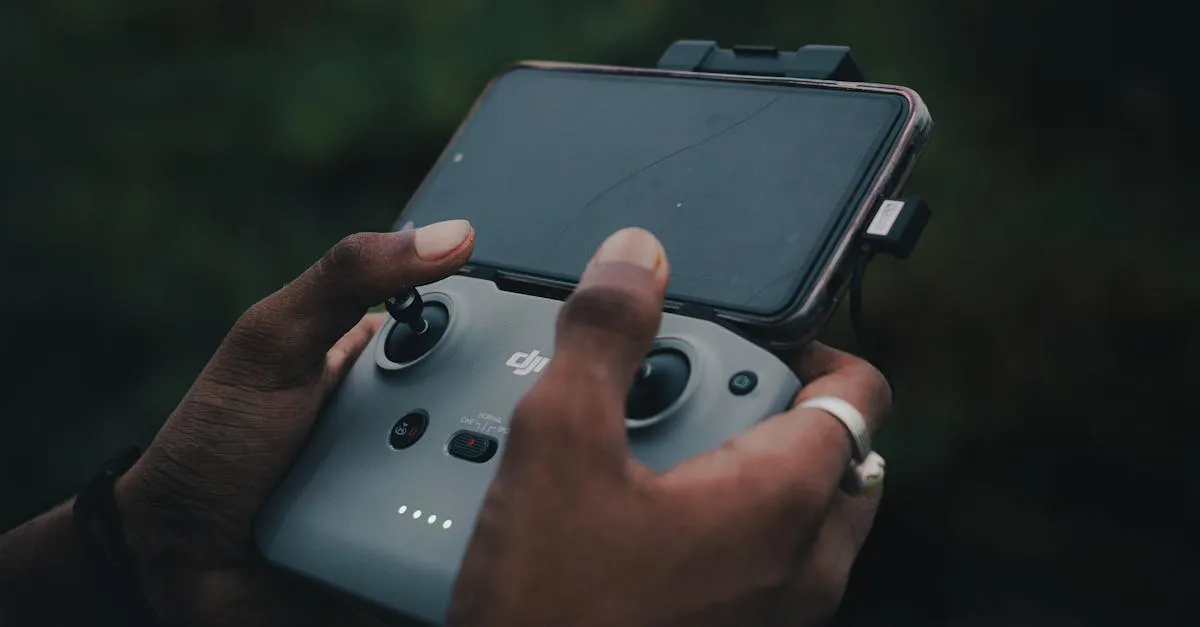
The easiest entry point into FPV on the market. The motion controller lets beginners steer by moving their hand, bypassing the steep stick learning curve. Once comfortable, switch to stick mode for true manual progression. Self-sealing prop guards make it safe indoors and near people. Stabilized 4K video. It’s not true Acro FPV — it has electronic stabilization — but it’s undeniably the best bridge from standard drones to immersive FPV. The drone is also sold on its own for less, but budget for goggles and a controller either way.
Emax Tinyhawk II Freestyle — ~$180
If you want true, unassisted manual FPV without breaking the bank, the Tinyhawk II Freestyle kit is the undisputed champion. True FPV drone with analog goggles and basic controller included. Incredibly durable, lightweight, and safe for beginners. The perfect indoor trainer — practice crashing into couches and walls without real damage while building muscle memory for Acro mode.
BNF (Bind-and-Fly)
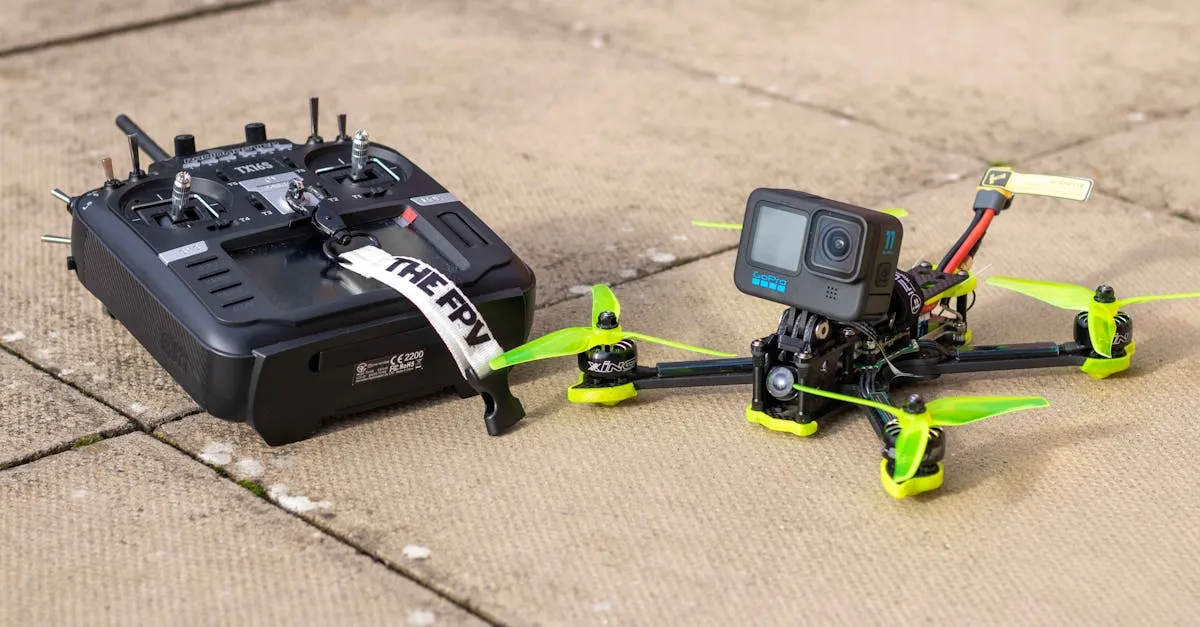
A BNF drone sits in the middle of RTF and DIY. Fully built, tested, and tuned — but you provide your own radio controller, FPV goggles, and battery. The “Bind” refers to connecting your personal radio to the drone’s receiver.
Good middle ground: Quality build without the DIY headache. The reality of FPV is that your radio and goggles are long-term investments — you’ll keep them for years, upgrading only the drone. BNF lets you buy quality accessories once, then purchase affordable pre-built quads to crash and replace as skills grow.
Popular BNF brands: GEPRC, iFlight, and TBS (Team BlackSheep) offer reliable, high-performance drones in every size and budget.
Build-Your-Own (DIY)
Building your own FPV drone is a rite of passage. You start with a bare table and end up with a screaming machine you know intimately.
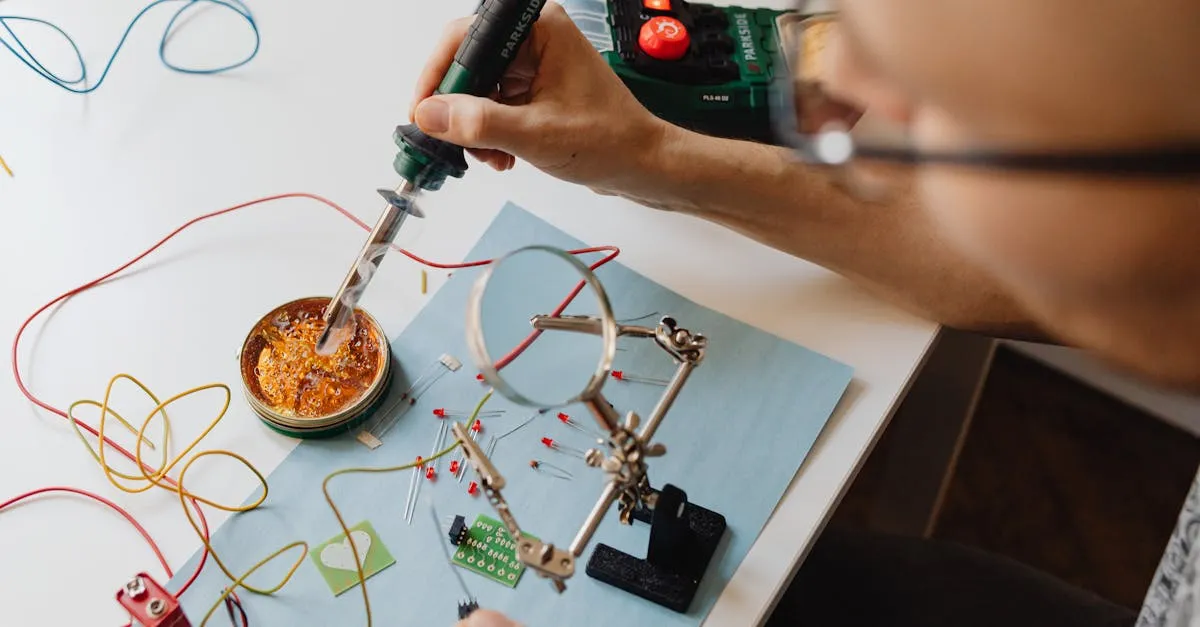
What you need: Frame, four motors, four ESCs, flight controller, video transmitter (VTX), FPV camera, radio receiver, propellers, soldering iron.
Pros:
- Complete customization — every component chosen for your exact flying style
- Deeper understanding — you learn how every piece communicates
- Cheaper repairs — break an arm? $15 replacement, not a new drone
- You can fix anything — because you built it, you can diagnose and repair almost any issue in the field
Cons:
- Steep learning curve — part compatibility, battery math, Betaflight software
- Can take weeks — sourcing parts, waiting for shipping, finding time to build
- Frustrating soldering — tiny ESC pads are stressful for beginners
- First build may not fly right — a wiring or software mistake can ground you
Best for: Tinkerers, people who want to understand every component, budget-conscious long-term thinkers.
Which Should You Choose?
- “I just want to fly” → RTF or DJI Avata 2. Don’t let anyone tell you building is the “only” way.
- “I want true FPV but don’t want to solder” → BNF. Buy a Radiomaster controller, decent goggles, and a GEPRC or iFlight quad.
- “I want to understand everything and customize” → DIY build. Embrace the frustration, watch tutorials, build your machine.
- “I’m not sure” → Start with an Avata 2 or Tinyhawk. Prove you enjoy flying before investing dozens of hours in a build. You can always build your second drone.
Don’t Forget the Accessories
Radio controller: Don’t buy cheap proprietary. Get an open-source protocol radio — Radiomaster Boxer or TX16S are highly recommended. They’ll last years and work with almost every drone.
FPV goggles: Budget? Start analog (Emax Transporter, basic Fat Shark). Can afford it? Digital (DJI Goggles 3) offers a vastly superior image but locks you into that ecosystem.
Batteries + charger: LiPo safety matters. Never puncture them, never charge unattended, buy a proper balancing charger from a known brand such as ISDT.
Simulator: Before ever taking a real drone outside, buy Liftoff or VelociDrone. About $20. The single best investment in this hobby — saves hundreds in broken parts by building muscle memory safely on your computer.
Frequently Asked Questions
What does “Bind” mean in BNF drones? Wirelessly connecting your personal radio controller to the drone’s receiver. This pairing ensures your controller inputs communicate directly with the drone’s flight systems.
How does the motion controller on the DJI Avata 2 work? You steer by moving your hand rather than using traditional sticks, bypassing the steep learning curve of manual FPV. Once comfortable, you can switch to stick mode for true manual progression.
Why buy an open-source protocol radio like the Radiomaster Boxer? Open-source protocol radios work with almost every drone on the market, unlike proprietary controllers that lock you into one brand. They’re long-term investments you’ll keep for years as you upgrade drones.
What’s the difference between analog and digital FPV goggles? Analog goggles are budget-friendly, while digital options like DJI Goggles 3 offer vastly superior image quality. However, digital goggles typically lock you into that manufacturer’s ecosystem.
Why is a simulator worth the ~$20 investment? Simulators let you build muscle memory safely on your computer before risking real crashes. This single investment can save you hundreds in broken parts during your early learning phase.
What are the key LiPo battery safety rules? Never puncture your batteries and never charge them unattended. Always use a proper balancing charger from a known brand such as ISDT to ensure cells charge safely and evenly.
Ready to take the leap? Our free FPV Drone Flying Course covers everything from choosing gear to your first flights. Start with Choosing Your First FPV Drone, or jump into Building vs Buying if you’re leaning toward DIY.