Best Drones Under $500 in 2026: Tested and Reviewed
$500 in 2026 buys significantly more drone than two years ago. Here's my unfiltered take on the 7 best options for beginners and budget-conscious buyers.
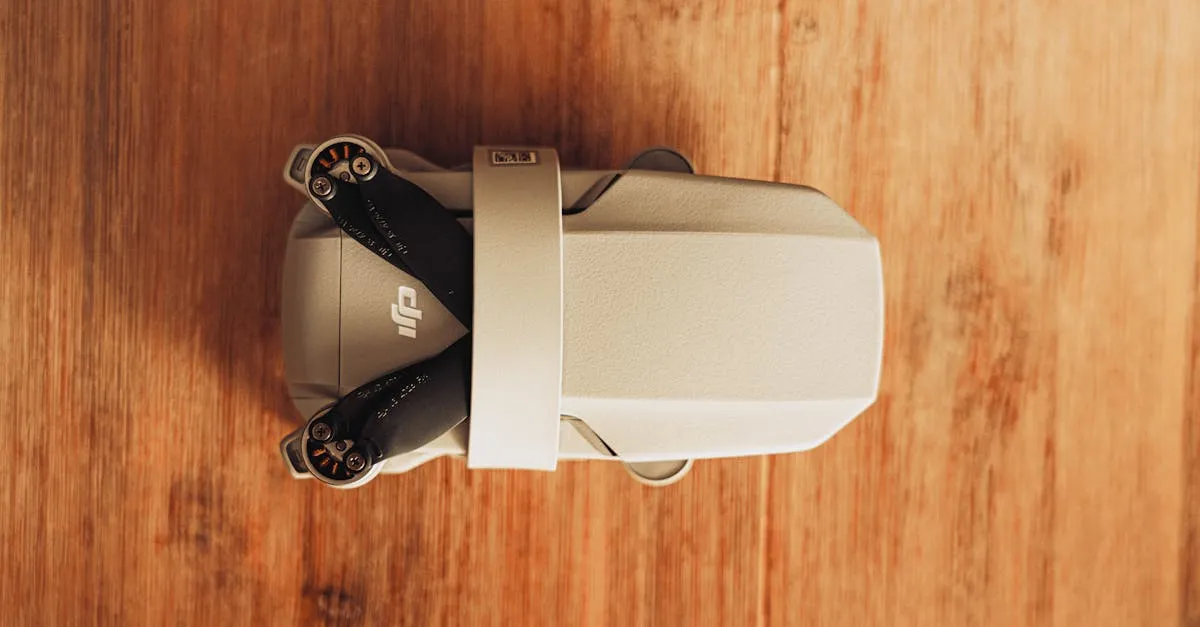
For absolute beginners, the $139 DJI Neo is the perfect low-risk entry point. If you’re committed to learning, the $349 Neo Fly More Combo adds essential extras. For the best “real drone” experience under $500, the $439 DJI Flip delivers obstacle avoidance and premium features that justify stretching your budget.
Walking into the drone world right now is overwhelming. Every manufacturer claims their plastic quadcopter will “revolutionize your content” and “unlock your creativity.” Most of them won’t.
But here’s the good news: $500 in 2026 buys you significantly more drone than it did even two years ago. You can get genuine 4K footage, respectable flight times, and reliable controls without breaking the bank. The bad news? You still need to know what to look for — and what to avoid.
What Actually Matters Under $500
Before we get to the drones, let’s talk priorities. You can’t have everything at this price point, so you need to know what you’re optimizing for.
Camera quality vs. flight time vs. portability — pick your poison. Want stellar footage? You’ll sacrifice battery life. Want something that fits in your jacket pocket? Don’t expect cinematic stabilization. Want 30+ minutes of flight time? Prepare to carry something bulkier.
What you’re giving up: Most drones under $500 lack obstacle avoidance (more on why that matters in our free Choosing Your First Drone lesson). You’re not getting ProRes or RAW formats. Gimbals are typically 1-axis or 2-axis — not the buttery 3-axis stabilization of premium models. Wind handling will be mediocre.
The under-250g rule matters: In the US, drones under 250 grams don’t require a Remote ID broadcast module for recreational flying. This isn’t just paperwork — it means less weight, simpler setup, and fewer regulations to navigate. Nearly every drone on this list squeaks under this threshold, and that’s intentional.
The refurbished option: Don’t sleep on manufacturer-refurbished drones. You can often snag last year’s $700 model for $400 with a warranty. Worth considering if you don’t need the absolute newest release.
DJI Neo — $139
Best for: Absolute beginners who want to test the waters with minimal investment
Key Specs: 4K video | 18 min flight time | 135g | 50m range (phone control)
Pros: Incredibly small — literally palm-sized. No controller required; fly with your phone or voice commands. Surprisingly solid 4K footage for the size. Under 250g. Dead simple to learn.
Cons: No obstacle avoidance — you will hit things while learning. Range is basically line of sight only. The camera gimbal is extremely basic, so footage gets jittery in wind.
Verdict: The perfect “is droning even for me?” purchase that won’t leave you resentful if it ends up in a closet.
DJI Neo Fly More Combo — $349
Shop the DJI Neo Fly More Combo
Best for: Beginners committed to actually practicing and learning to fly
Key Specs: Same as Neo + 3 total batteries, charging hub, prop guards
Pros: Three batteries changes everything — you can actually spend meaningful time in the air instead of constantly recharging. The charging hub is convenient. Prop guards save you from inevitable beginner crashes.
Cons: You’re paying roughly $210 over the bare drone for accessories, which stings. Still has all the Neo’s limitations (no obstacle avoidance, short range, basic gimbal).
Verdict: The smart buy if you’re serious about learning, because extra batteries mean extra practice time.
Potensic Atom SE — $195
Best for: Budget buyers who want more range than the Neo and prefer a traditional controller
Key Specs: 4K EIS stabilized | 31 min flight time | 249g | 4km range
Pros: Comes with 2 batteries and a carrying case — solid value. Electronic image stabilization works decently for the price. Range is genuinely impressive at 4km (though you’ll never realistically fly that far safely). Includes a proper controller.
Cons: Heavier than the Neo at 249g (right at the limit). No obstacle avoidance. The controller feels cheap. Potensic’s app isn’t as polished as DJI’s.
Verdict: The pragmatic budget pick that gives you more practical features than the Neo, if you can tolerate a slightly clunkier experience.
HoverAir X1 — $239
Best for: Vloggers, solo travelers, and people who don’t actually want to “fly” a drone
Key Specs: 2.7K video | 11 min flight time | 125g | Autonomous only
Pros: Completely autonomous — it follows you, orbits you, or flies overhead without any input. Ridiculously portable. Fun party trick factor. Zero learning curve.
Cons: 2.7K video looks dated in 2026. 11 minutes of flight time is painfully short. You have zero manual control. Not for anyone who wants to actually learn piloting.
Verdict: A niche gadget that’s either perfect for your use case or completely wrong for you — there’s no middle ground.
Potensic Atom 2 — $325
Best for: Budget buyers willing to spend more for noticeably better camera quality
Key Specs: 4K upgraded camera | 38 min flight time | 249g | 4km range
Pros: Meaningful upgrade over the Atom SE with better footage and significantly longer flight time (38 minutes is excellent at this price). Still under 250g. Good value proposition.
Cons: Still no obstacle avoidance. You’re paying a premium over the SE for incremental improvements. Same budget controller feel.
Verdict: The sweet spot if you prioritize camera quality and flight time but can’t justify DJI pricing.
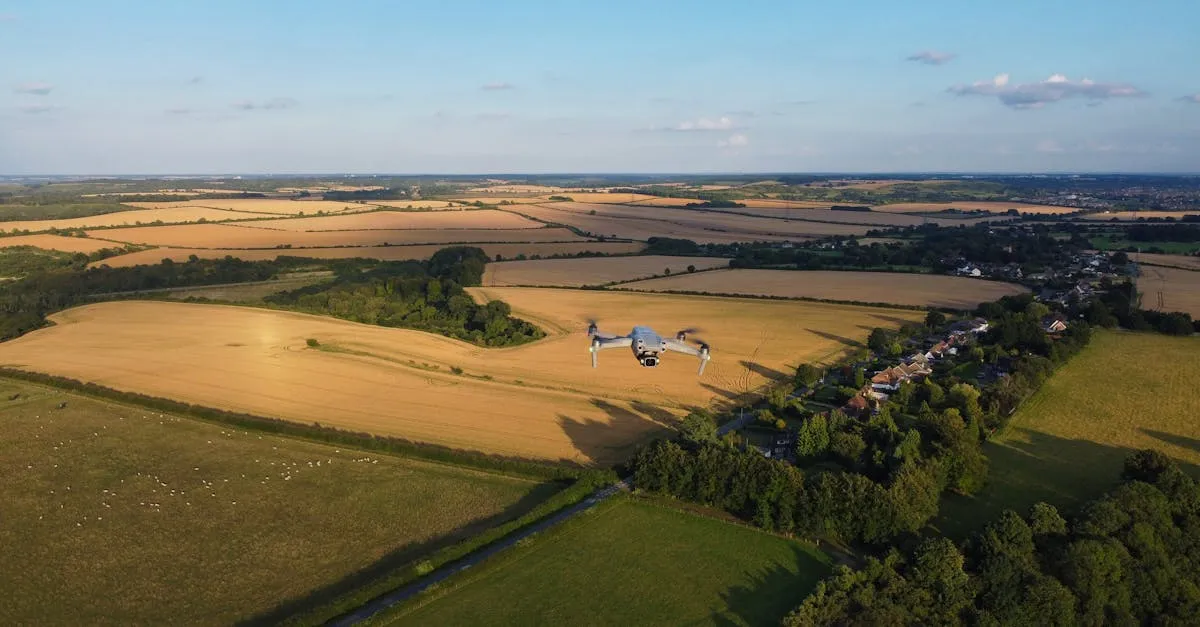
DJI Flip — $439
Best for: Beginners who want the “real drone” experience without paying premium prices
Key Specs: 4K video | 31 min flight time | 249g | 13km range | Obstacle avoidance
Pros: This is where things get serious — actual obstacle avoidance, reliable return-to-home, and DJI’s polished ecosystem. Foldable design is genuinely portable. The closest thing to a “real” drone under $500. Excellent range.
Cons: Pushing your budget hard. The camera, while good, still isn’t flagship quality. Some features feel slightly nerfed compared to DJI’s premium line.
Verdict: If you can stretch your budget by $60, this is the drone that makes you feel like you’re not compromising.
DJI Mini 3 — $520 (Stretch Pick)
Best for: Anyone who can skip a few lunches to get genuinely excellent camera quality
Key Specs: 4K HDR | 38 min flight time | 249g | 10km range | Vertical shooting
Pros: Yes, it’s $20 over budget. But the camera quality jump is real — 4K HDR looks significantly better than anything else on this list. Vertical shooting mode is brilliant for social media. Outstanding battery life. This is the drone you’ll still be flying two years from now.
Cons: Technically breaks the $500 rule. No obstacle avoidance (that’s reserved for the Mini 3 Pro at twice the price). The “stretch” is real for budget buyers.
Verdict: Skip two weeks of takeout lunch and buy this drone instead — you won’t regret it.
My Honest Recommendations
If you’re completely new and just want to figure out if you even like drones: DJI Neo at $139.
If you know you want to learn but want to stay frugal: DJI Neo Fly More Combo at $349.
If you want the most “real drone” experience without feeling like you settled: DJI Flip at $439.
If you care about camera quality above all else and can find $20 extra: DJI Mini 3 at $520.
Frequently Asked Questions
What’s the cheapest drone on this list? The DJI Neo at $139 offers 4K video, 18 minutes of flight time, and a palm-sized design weighing just 135g. Ideal for beginners testing whether drone flying is for them.
Which drone under $500 has obstacle avoidance? The DJI Flip at $439 is the only option with obstacle avoidance. It also offers 13km range, 31 minutes of flight time, and reliable return-to-home.
What’s the difference between DJI Neo and Fly More Combo? The Fly More Combo costs about $349 (versus $139 for the base Neo) and includes two extra batteries, a charging hub, and prop guards. Worth it for significantly more practice time and crash protection.
Which drone has the longest flight time under $500? The Potensic Atom 2 at $325 offers 38 minutes of flight time, 4K video, and 4km range. The DJI Mini 3 also provides 38 minutes but exceeds the $500 budget at $520.
Is there a drone that flies itself? The HoverAir X1 at $239 operates completely autonomously. However, it only records 2.7K video and offers 11 minutes of flight time, making it better for vloggers than aspiring pilots.
Why does the under-250g rule matter? Drones under 250 grams don’t require a Remote ID broadcast module for recreational flying in the US. Most drones on this list, including the DJI Flip and Potensic Atom models at 249g, are designed to meet this threshold.
Ready to learn the fundamentals before you buy? Check out our free Getting Started with Drones course — it’ll save you from expensive beginner mistakes and teach you to actually fly, not just crash.