Rule of Thirds from the Air: Composition Tips
The rule of thirds works differently at 400 feet. Here's how to apply classic composition principles to aerial photography — and when to break them.
Aerial photography shifts standard composition principles, making the Rule of Thirds essential for grounding viewers in a sweeping vantage point. Placing the horizon on the upper or lower third dictates whether land or sky dominates. Key focal points should anchor the massive scale at grid intersections.
Imagine a tic-tac-toe board drawn over your camera screen. This simple grid divides your frame into nine equal sections, creating four intersection points. The Rule of Thirds suggests placing key elements on these intersections rather than dead center. The human eye naturally gravitates toward these points. When you place a subject dead center, the image feels static. Shifting it to an intersection introduces visual tension and movement.
Why Drones Change the Game
An aerial perspective is naturally dramatic — it is a big part of why real estate drone photography works. You are removing the standard human eye-level view and replacing it with a sweeping vantage point. Because of this shift in scale, the Rule of Thirds becomes even more critical for grounding your viewer.
Horizon line placement is the most crucial decision. Place the horizon on the upper third to showcase sprawling landscapes or cityscapes (two-thirds of the frame for land). Drop the horizon to the lower third to let dramatic skies dominate the narrative.
When you have a distinct focal point — a lone building, sailboat, or moving car — place that subject directly on one of the four intersection points. This anchors the massive scale of the aerial environment to something tangible.
Five Aerial Composition Techniques
Leading Lines from Above
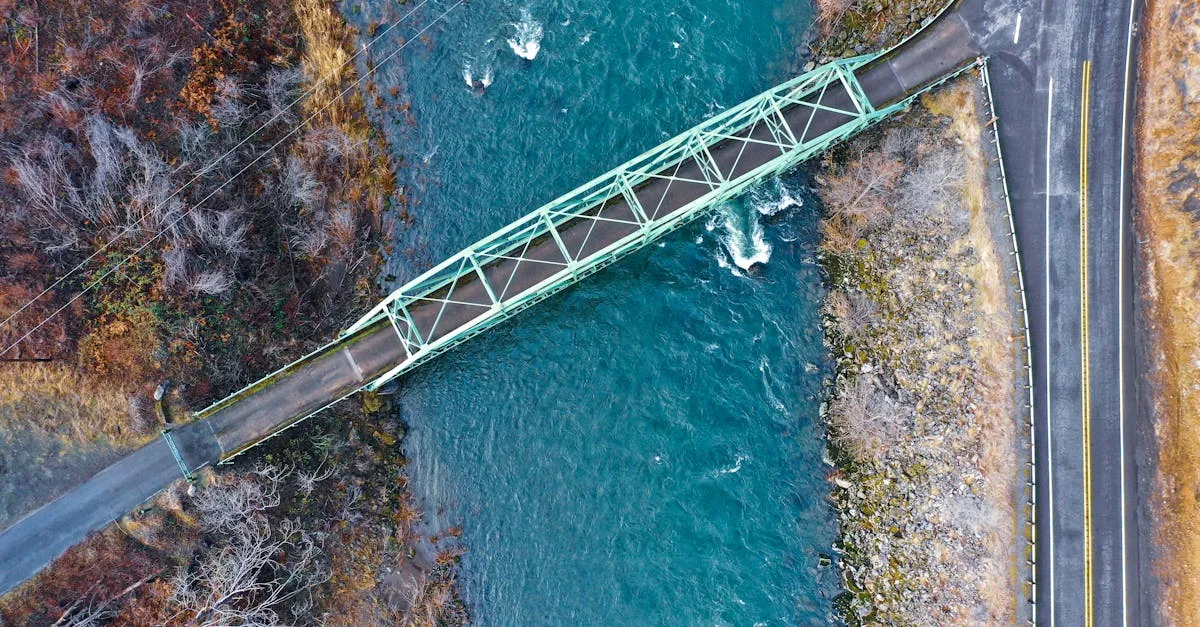
Winding roads, snaking rivers, dramatic coastlines, and even long shadows can draw the viewer’s eye through the frame. Position your drone so these lines start near the bottom edge and lead toward your subject.
Symmetry and Patterns
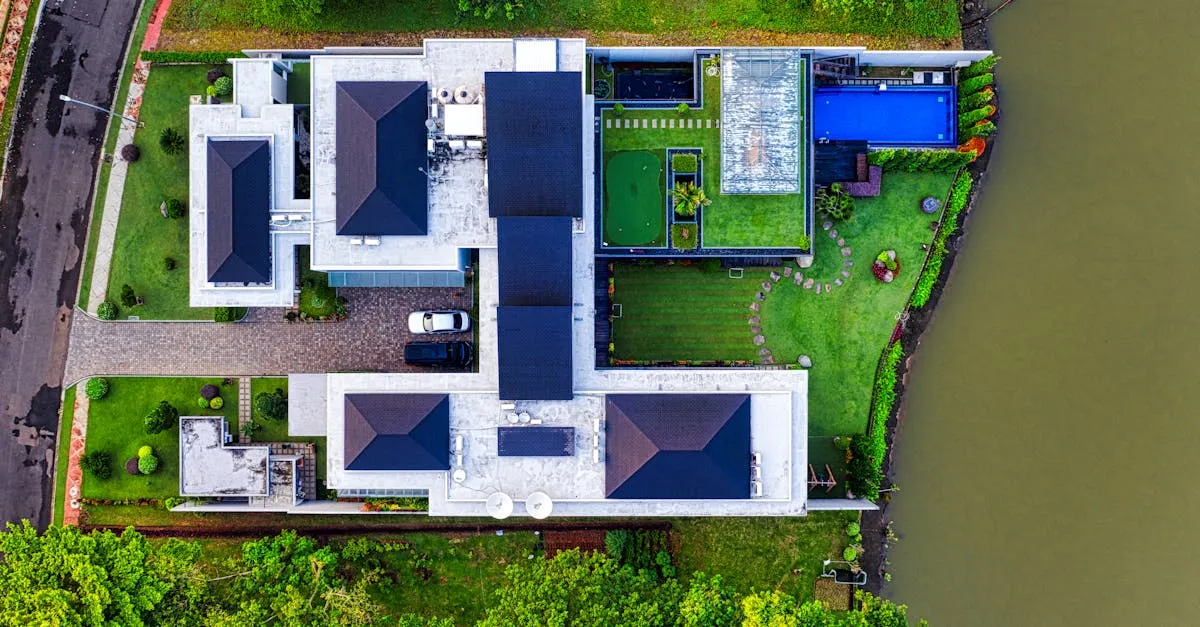
The top-down perspective flattens the world into pure geometry. Agricultural fields, identical rooftops, parking lots, and intersecting highways create mesmerizing patterns. Slight breaks in a pattern work beautifully when placed on the thirds.
Negative Space
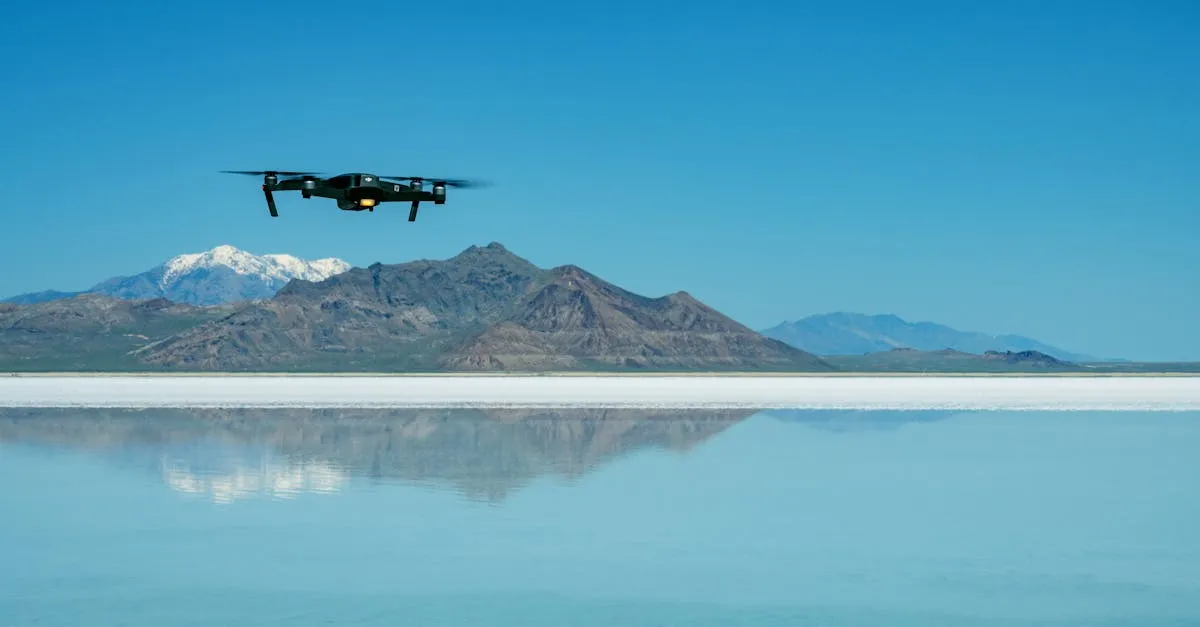
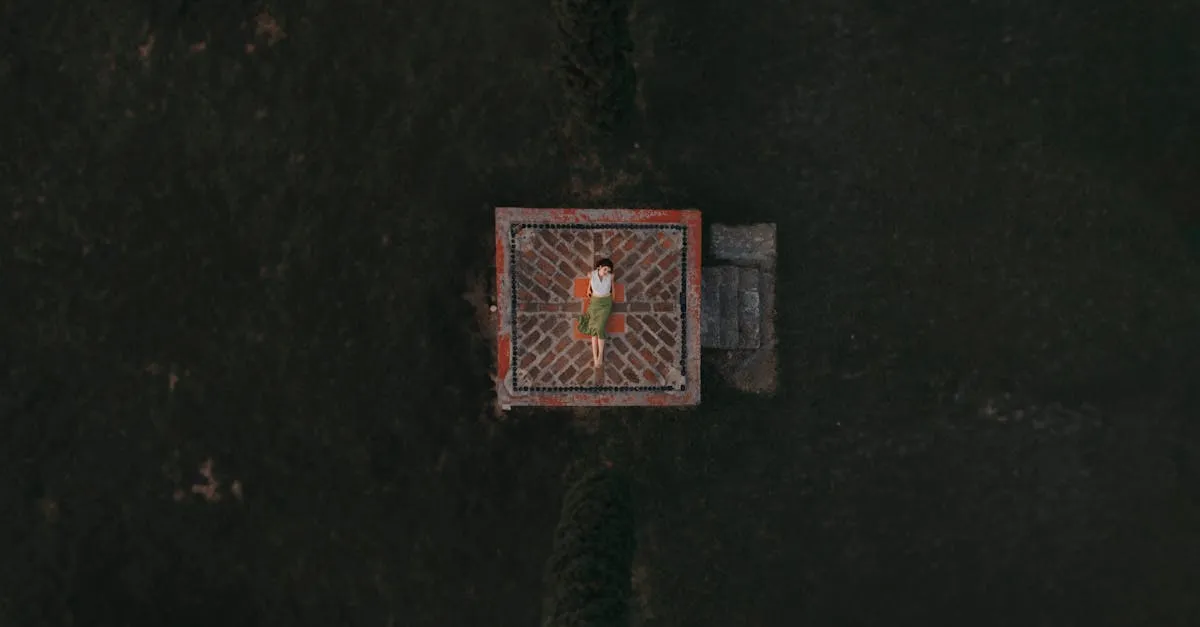
A tiny surfer in a massive ocean. A single vehicle on a vast desert salt flat. Vast empty area with a small subject evokes powerful emotions of solitude, minimalism, and environmental scale.
Framing
Fly lower to use tree canopies to frame a hidden cabin, bridge arches to frame a river below, or natural formations to add depth and context to your aerial images.
Foreground-Midground-Background
Fly low to the ground, angle the camera slightly downward. Use a nearby tree line as foreground, place your subject in the midground, and let distant mountains fill the background. This layered depth pulls the viewer into the three-dimensional space.
When to Break the Rules
Not every photo needs the Rule of Thirds. The most common exception: perfect symmetry. If you are directly over a circular fountain, perfectly symmetrical building, or a subject reflected perfectly in still water, centering the composition is mandatory. Placing a symmetrical subject off-center creates uncomfortable visual tension.
Tight architectural shots and reflections also benefit from center composition. Always trust your artistic eye over the grid.
Practical Tips
- Enable the grid overlay in your DJI app camera settings
- Shoot 4:3 for more room to adjust horizon placement in post
- Plan compositions before takeoff — know where the light and leading lines are
- Scout on Google Earth — spot patterns, leading lines, and negative space opportunities from satellite view
Frequently Asked Questions
How should I position the horizon line in aerial landscapes? Place the horizon on the upper third to dedicate two-thirds of the frame to land. Drop it to the lower third when you want dramatic skies to control the visual narrative.
What role do leading lines play from a drone? Winding roads, rivers, or long shadows draw the viewer’s eye through the massive frame. Position your drone so these elements start near the bottom edge and guide attention toward your main subject.
When is it acceptable to break the Rule of Thirds? Abandon the grid when capturing perfect symmetry, such as a circular fountain or a building reflected in still water. Centering these subjects is mandatory because placing them off-center creates visual tension.
How can I create depth from 400 feet in the air? Fly low and angle the camera slightly downward to layer a nearby tree line in the foreground with your subject in the midground. Distant mountains in the background pull the viewer into three-dimensional space.
What emotional impact does negative space have? Leaving vast empty areas around a tiny subject, like a single vehicle on a desert salt flat, evokes powerful feelings of solitude. This minimalism highlights the massive environmental scale compared to human-made objects.
What practical steps before takeoff improve composition? Enable the grid overlay in your DJI app and shoot in 4:3 to allow for horizon adjustments in post-production. Scouting locations on Google Earth helps you spot patterns and leading lines from a satellite view.
Mastering composition separates a drone operator from an aerial artist. Dive deeper in our free Composition from Above lesson, part of our Drone Photography Masterclass.