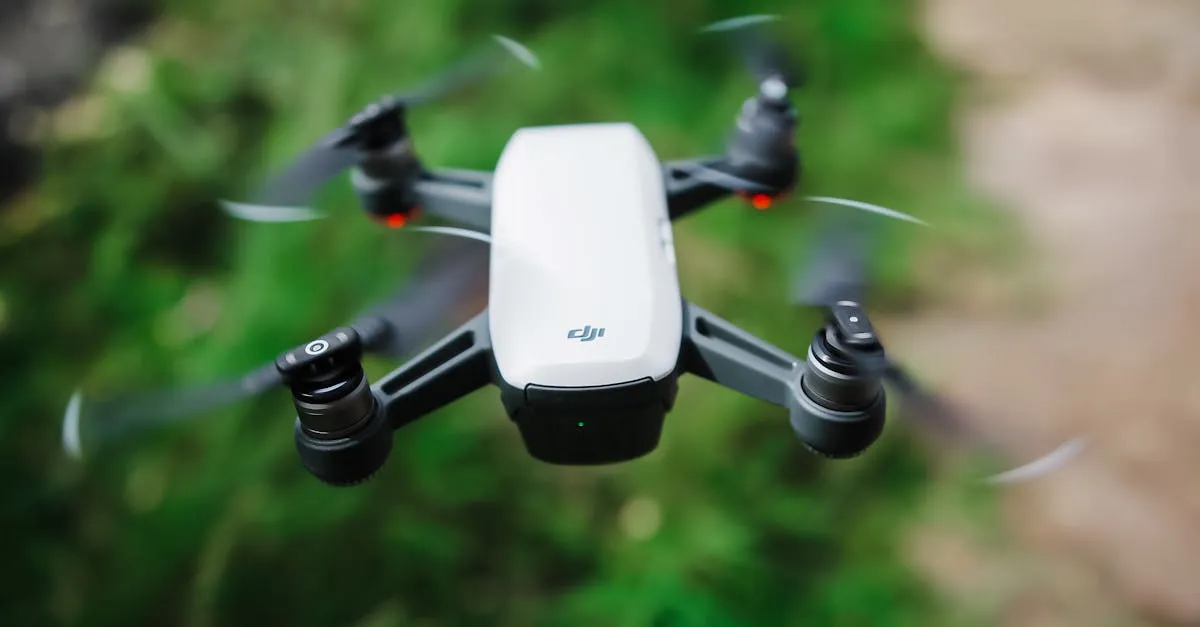
How to Pack a Drone for Airline Travel: TSA Rules and Tips
Flying with a drone is legal — but the rules around batteries, packing, and security screening trip up a lot of pilots. Here's the complete guide.
Drone batteries must always go in carry-on bags, never checked, due to fire risk. Batteries under 100Wh (like the DJI Mavic 3 at 77Wh) need no special approval. Remove propellers, use the gimbal clamp and lens cover, tape exposed battery terminals, and expect additional TSA screening. Research destination drone laws before booking international flights.
Flying with a drone is legal, but get the rules wrong and you could lose expensive gear or get held up at security.
The Golden Rule: Batteries Are Carry-On ONLY
Lithium-ion batteries pose a fire risk if damaged. If one catches fire in the cargo hold, nobody can access it. In the cabin, crew can extinguish it quickly. The FAA and TSA are clear: drone batteries must always go in your carry-on bag. Never check them.
Battery Watt-Hour Limits
Under 100Wh: No special approval needed. Most consumer drone batteries fall here — a typical DJI Mavic 3 battery is 77Wh. Bring as many as needed for personal use.
100-160Wh: Requires airline approval. Contact ahead of time for written confirmation. Typically limited to two spare batteries in this range.
Over 160Wh: Prohibited on passenger flights entirely. Ship via ground transport or hazmat service.
Packing the Drone Body
The drone itself (without batteries) can go in carry-on or checked luggage, but I recommend keeping it with you. Airlines lose checked bags.
- Use a hard shell case
- Remove propellers (they snap under pressure)
- Use the gimbal clamp (locks camera in place)
- Pop on the lens cover
If you must check the drone body, pad it well with clothing or foam inserts.
Packing Batteries
- Tape exposed terminals with electrical tape
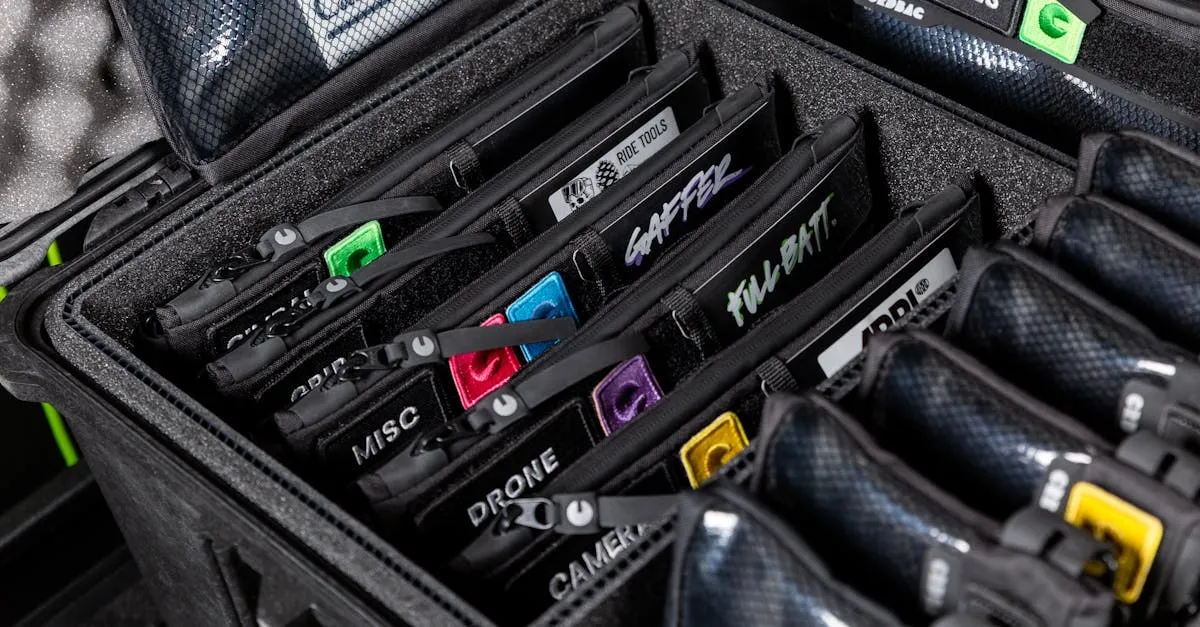
- Place each battery in its own case or fireproof bag
- Don’t stack loose batteries where they contact metal
- Keep your charger in carry-on too
At Security
- Take batteries out of your bag into a separate bin (like a laptop)
- Expect additional screening — drone batteries look suspicious on X-ray
- Be patient and polite — TSA agents aren’t always familiar with drones
- Know your battery’s Wh rating (write it down if needed)
- Have your FAA registration number ready (printed or on phone)
International Flights
Domestic is straightforward. International adds destination-country rules.
- Research drone laws before booking — some countries confiscate at customs (India, Egypt)
- The EU requires operator registration through their system — US FAA registration alone isn’t sufficient
- Some countries restrict drone size, flying locations, or ban tourist flying entirely
Final Tips
Arrive early — extra screening takes time. Print relevant TSA and airline policies in case of confusion. Thousands of drone pilots fly daily without issues. Follow the rules, pack smart, and you’ll be fine.
Frequently Asked Questions
Can I put drone batteries in checked luggage? Absolutely not. Lithium-ion batteries pose a fire risk in cargo holds where crew can’t access them. The FAA and TSA are clear: drone batteries must always go in carry-on.
How many batteries can I bring on a plane? Batteries under 100Wh have no limit for personal use. Batteries between 100-160Wh require airline approval and are limited to two spares. Anything over 160Wh is prohibited on passenger flights.
Should I check my drone body or carry it on? Keep it in carry-on when possible. If you must check it, use a hard shell case, remove propellers, use the gimbal clamp, and pad it well with clothing or foam.
How should I pack batteries for TSA screening? Tape exposed terminals with electrical tape, place each battery in its own case or fireproof bag, and don’t stack loose batteries. At security, take batteries out into a separate bin and expect additional screening.
What do I need for international drone travel? Research destination laws before booking. Some countries confiscate drones at customs. The EU requires operator registration through their system. Some countries restrict drone size, locations, or ban tourist flying entirely.
What should I have ready at TSA? Know your battery’s watt-hour rating, have your FAA registration number ready on your phone or printed, and be patient. TSA agents aren’t always familiar with drones. Arrive early for extra screening. Our free Getting Started with Drones Course covers pre-flight checks, regulations, and everything you need before traveling with your drone.